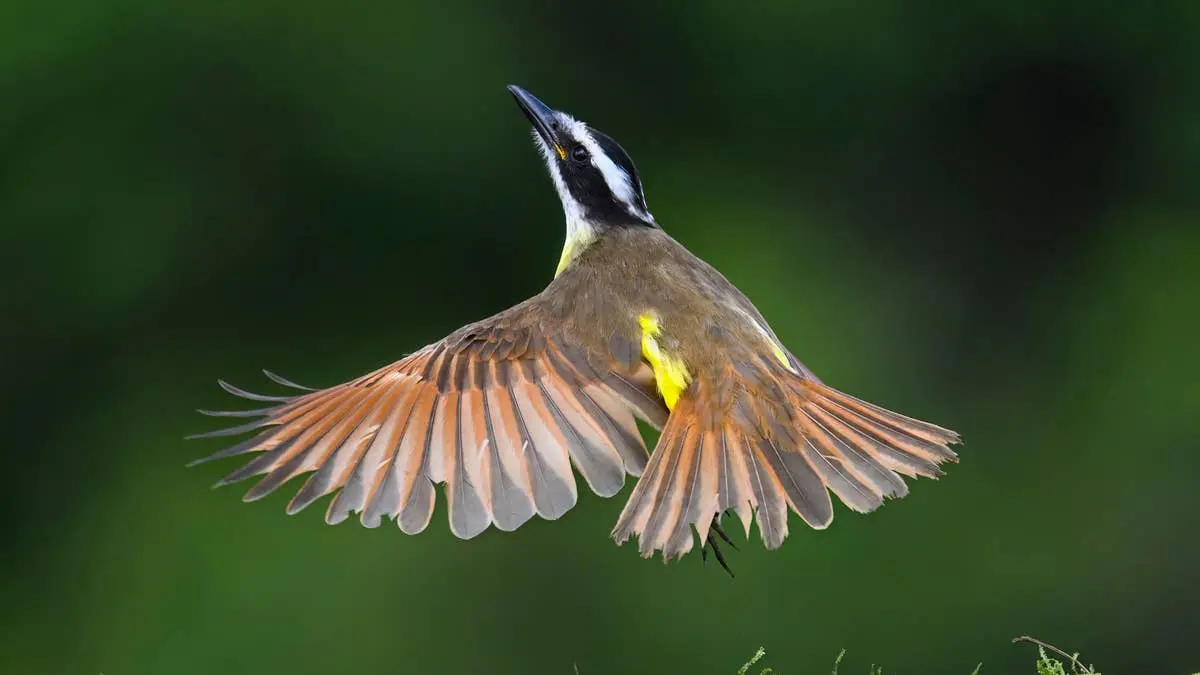
If You Hear „Kis-Ka-Dee,” Look Up Because Experts Say You May Have a Rare Visitor in Your Yard
Its size, comparable to a jay, and aggressive foraging behavior set it apart
Birdwatchers across the southern United States are reporting sightings of the great kiskadee, a vibrant flycatcher rarely seen north of its typical range. Experts note that hearing its distinctive kis-ka-deecall could signal an unusual presence in residential areas, prompting enthusiasts to check trees and feeders for this striking yellow and black bird. The great kiskadee, native to Central and South America, occasionally ventures into Texas, Louisiana, and Florida during seasonal movements. Birding authorities suggest these appearances may stem from shifting weather patterns or food availability, drawing the species beyond its usual habitat. Observers describe the bird as bold and vocal, often perching openly while hunting insects or fruit. What Makes the Great Kiskadee Stand Out Among Backyard Birds Unlike common backyard species such as robins or sparrows, the great kiskadee boasts a loud, unmistakable call and vivid plumage that catches the eye even among dense foliage.
Latest news
 Rescue Dog Shows Gratitude to Every Person Helping Her Heal
 Family Adopts Terminally Ill St. Bernard After Her Human Passes Away
 Neighbors Take Action After Town Ignores Abused Dog
 Retired Firefighter Reunited with Lost Dogs During Live Interview
Its size, comparable to a jay, and aggressive foraging behavior set it apart from more timid visitors. Experts emphasize that spotting one is considered a notable event for regional birders due to its infrequent northern appearances. How Can Homeowners Encourage or Identify This Rare Guest To attract a great kiskadee, specialists recommend offering fruit like bananas or oranges and maintaining open spaces with tall perches. Listening for its rhythmic three-note call remains the most reliable detection method, especially in the early morning. Birdwatchers are advised to use binoculars and consult regional guides to confirm identification, as juvenile birds may resemble other flycatchers. Why Are These Birds Appearing Further North Than Usual Scientists suggest that climate-driven changes in insect populations and winter severity may be altering traditional migration routes, allowing tropical species like the kiskadee to explore new territories.
While still considered vagrants outside their core range, repeated sightings hint at potential range expansion. Researchers continue monitoring these patterns to understand long-term shifts in avian distribution. Frequently Asked Questions What does the great kiskadee eat? It primarily feeds on insects, but also consumes fruit, small lizards, and even fish, making it an opportunistic forager in diverse environments. Is the great kiskadee harmful to other birds or pets? No, it poses no threat to humans or pets, though it may aggressively defend feeding areas from smaller birds during territorial disputes. How long do these birds typically stay when they appear north of their range? Visits are usually brief, lasting days to a few weeks, though some individuals may linger longer if food sources remain abundant.