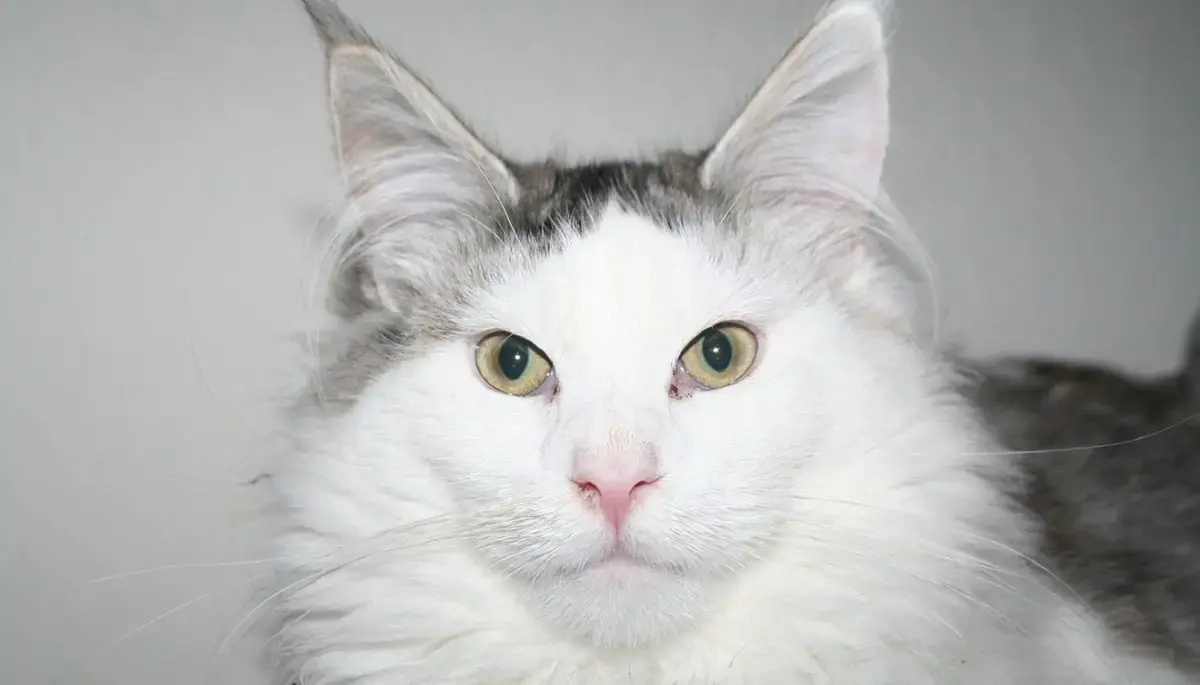
Signs Your Cat May Be in Distress: What to Look For
Understanding Behavioral Changes
Pet owners often find their cats to be elusive and unpredictable. While they may seem content one moment, they can quickly shift to displaying signs of discomfort or distress. Recognizing these warning signs is essential for ensuring your cat's health and well-being.
Latest news
 Rescue Dog Shows Gratitude to Every Person Helping Her Heal
 Family Adopts Terminally Ill St. Bernard After Her Human Passes Away
 Neighbors Take Action After Town Ignores Abused Dog
 Retired Firefighter Reunited with Lost Dogs During Live Interview
Cats are known for their independent nature, making it challenging for owners to identify when something is wrong. Subtle changes in behavior can indicate underlying health issues. For instance, a cat that suddenly becomes withdrawn or aggressive may be experiencing pain or anxiety. Changes in appetite, litter box habits, or grooming behaviors can also signal that a visit to the veterinarian is necessary.
Monitoring your cat's behavior is crucial. A cat that typically enjoys being petted may start avoiding contact. Similarly, if your cat is vocalizing more than usual, it could be expressing discomfort or seeking attention due to stress. Pay attention to sudden weight loss or gain, as these can be indicators of serious health problems.
Is Your Cat Acting Differently?
Veterinarians emphasize the importance of early detection. Dr. Sarah Thompson, a veterinarian with over ten years of experience, states, „Cats are experts at hiding their pain. Owners must be vigilant and notice even minor changes in their pets.” Regular check-ups and being aware of your cat's normal behavior can help catch potential issues early.
If you notice your cat is behaving differently, it might be time to take action. For example, if your cat stops using the litter box, it can indicate a urinary tract infection or other medical issues. Similarly, if your cat is grooming excessively or not at all, it could signal skin problems or stress.
Changes in your cat's sleeping patterns can also be a red flag. Cats typically sleep a lot, but if your cat seems restless or is sleeping more than usual, it may need medical attention. Understanding these signs can help you take proactive steps to ensure your cat remains healthy.
Frequently Asked Questions
Taking note of these warning signs can lead to timely intervention and treatment. Ignoring changes in behavior can result in worsening health conditions, which may require more extensive and costly treatments down the line. Being proactive can help maintain your cat's quality of life and strengthen your bond with your furry friend.
What are the most common signs my cat is unwell? Common signs include changes in appetite, unusual vocalizations, withdrawal from social interaction, and alterations in grooming habits.
How can I tell if my cat is in pain? Look for signs like hiding, changes in behavior, reluctance to move, or vocalizations when touched. If you suspect pain, consult a veterinarian promptly.