Dog’s Daily „I Love You” May Be Hidden in One Simple Behavior, Says Veterinarian
The Quiet Look That Speaks Volumes
A recent veterinary insight reveals that many owners miss the most genuine sign of canine affection. Researchers say the key indicator appears every day, often unnoticed, and can strengthen the bond between pets and people.
Latest news
 Rescue Dog Shows Gratitude to Every Person Helping Her Heal
 Family Adopts Terminally Ill St. Bernard After Her Human Passes Away
 Neighbors Take Action After Town Ignores Abused Dog
 Retired Firefighter Reunited with Lost Dogs During Live Interview
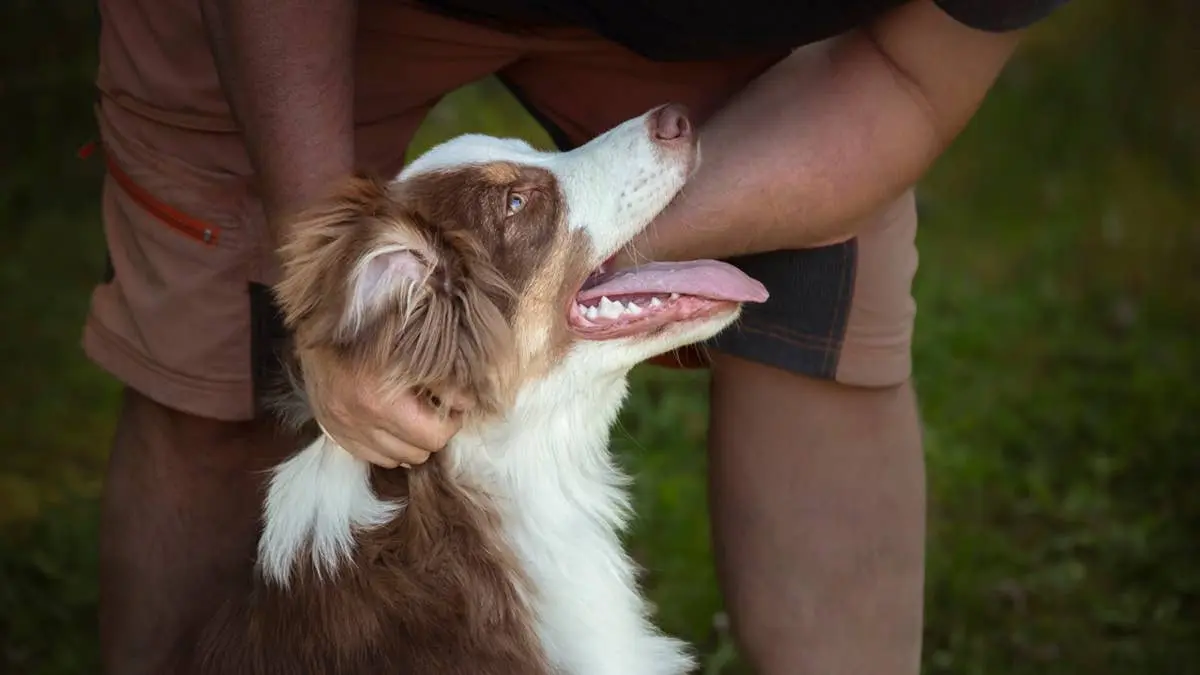
Most pet parents believe they recognize love when dogs wag their tails, lick faces, or nuzzle against them. Yet experts warn that the most telling gesture is subtler: a relaxed, soft-eyed gaze paired with a gentle, slow blink. Vets explain that this behavior mirrors the way dogs communicate trust and contentment within their pack, signaling deep attachment to their human companions.
When a dog meets its owner’s eyes and slowly blinks, it’s not merely a reflex. Dr. Laura Martinez, a veterinary behaviorist, describes the „soft blink” as a canine equivalent of a human smile. „Dogs use this slow blink to say they feel safe and loved,” she notes. The gesture often occurs when the dog is resting its head on a lap or lying beside its owner, indicating a willingness to let its guard down. Studies show that dogs who frequently display this behavior have lower stress hormone levels, suggesting a direct link between the soft blink and emotional well‑being.
Why Do Some Dogs Skip the Soft Blink?
Owners who learn to recognize and reciprocate the soft blink—by gently blinking back—can reinforce this positive feedback loop. „Mirroring the blink tells the dog you understand its language,” says Martinez. The simple act can deepen trust, reduce anxiety, and even improve training outcomes, as dogs become more receptive to cues from owners they perceive as empathetic.
Not every dog uses this subtle cue. Factors such as breed temperament, past trauma, or lack of socialization can affect a dog’s willingness to show vulnerability. „A rescue dog that has experienced neglect may take longer to feel comfortable enough to offer a soft blink,” explains Martinez. Additionally, dogs with high energy or strong guarding instincts might express affection through more overt actions like play or protective behavior. Recognizing that the absence of a soft blink does not mean a lack of love is crucial for owners seeking to understand their pet’s emotional world.
Understanding this nuanced sign can also help veterinarians assess a dog’s emotional health during check‑ups. By observing eye contact and blink patterns, vets can gauge stress levels and tailor recommendations for enrichment, exercise, or behavioral therapy. Early detection of reduced soft blinking may prompt interventions that prevent chronic anxiety or depression in dogs.
In the coming years, researchers aim to quantify the soft blink’s frequency across different breeds and ages, hoping to develop a standardized „affection index” for canines. For now, pet owners are encouraged to watch for this gentle exchange and respond with their own slow blink, fostering a deeper, unspoken dialogue that benefits both dog and human.
Frequently Asked Questions
What exactly is the soft blink? It is a slow, deliberate closing of the eyes while maintaining eye contact, resembling a human’s relaxed smile.
How can I encourage my dog to use this sign? Spend calm, quiet moments together, and gently mirror the blink back to reinforce the behavior.
Is the soft blink a reliable measure of my dog’s love? While not the sole indicator, it is a strong sign of trust and affection, especially when combined with relaxed body language.