Pyometra: A Silent Threat to Unspayed Female Dogs
Why Unspayed Dogs Are at Higher Risk
A recent spike in cases of pyometra among unspayed dogs in India has alarmed veterinarians. The condition, which can rapidly become fatal, is often mistaken for a simple infection. Owners of female dogs that have recently ended a heat cycle should monitor for sudden changes in behavior and seek veterinary care immediately.
Latest news
 Dog Parks in India: The Lone Public Haven in Hyderabad
 Understanding the Sudden Shifts in Your Dog’s Confidence
 Black Cats Steal Hearts with Sweet Personalities
 Nordstrom Introduces Hand‑Woven Eco‑Friendly Dog Food Mat
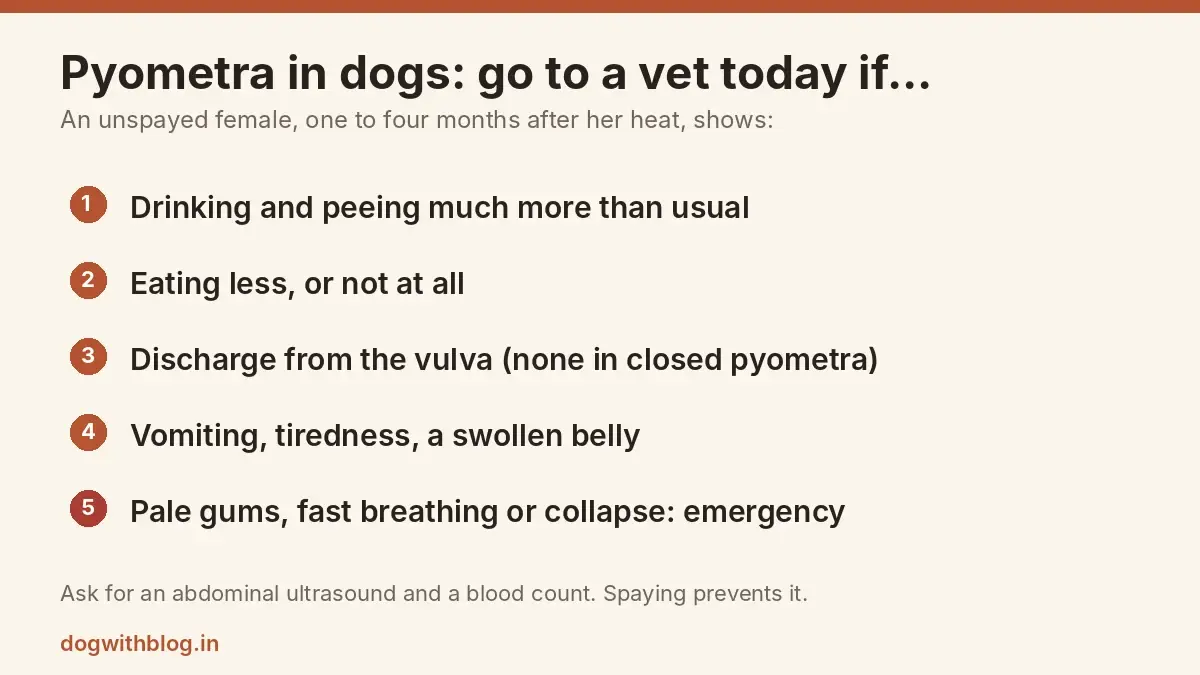
Pyometra develops when bacteria enter the uterus through the cervix, causing an infection that fills the cavity with pus. Symptoms include excessive thirst, decreased appetite, and a foul-smelling vaginal discharge. In severe cases, dogs may show signs of lethargy, vomiting, or abdominal swelling. Early detection through abdominal ultrasound or blood tests can save the animal’s life, but many owners overlook these warning signs until the disease is advanced.
The risk of pyometra rises sharply after a female dog goes through her heat cycle. Hormonal changes weaken the uterine lining, making it easier for bacteria to thrive. Studies in veterinary clinics across Delhi and Mumbai report that nearly 60% of pyometra cases involve dogs that were not spayed. The infection can progress within days, turning a treatable condition into a surgical emergency.
Cost and Accessibility of Treatment in India
Veterinary surgeons explain that the standard treatment is a hysterectomy—removing the uterus and ovaries. The procedure is typically performed under general anesthesia and requires a recovery period of two to three weeks. While the surgery is routine, complications such as bleeding or infection can occur, especially if the dog is already weakened by the infection.
The cost of diagnosing and treating pyometra varies widely across the country. A basic ultrasound in a private clinic may cost between INR 1,500 and INR 3,000, while a full surgical package can range from INR 20,000 to INR 60,000. Rural areas often lack specialized veterinary surgeons, forcing owners to travel long distances for care. Some clinics offer payment plans or subsidized care for low-income families, but many owners still face financial barriers.
Is Spaying the Best Prevention?
In addition to the upfront costs, owners must consider post-operative care. Antibiotics, pain medication, and a controlled diet can add several hundred rupees per day to the total expense. Insurance coverage for pets is still rare in India, leaving many families to pay out-of-pocket.
Spaying is widely recognized as the most effective way to eliminate the risk of pyometra. By removing the uterus, the primary site of infection is eliminated. However, spaying also carries its own set of risks, including anesthesia complications and long-term hormonal changes. Veterinarians recommend discussing the timing and benefits of spaying with a qualified professional, especially for dogs that may be prone to heat cycles or have a history of reproductive issues.
For owners who cannot immediately spay their dogs, regular veterinary check-ups and monitoring of urinary and reproductive health are essential. Early detection of abnormal discharge or changes in appetite can prompt timely intervention, reducing the likelihood of severe outcomes.
The Consequences of Delayed Treatment
When pyometra is left untreated, the infection can rupture the uterus, releasing toxic fluids into the abdomen. This leads to septic shock, organ failure, and often death. Even with prompt surgery, the recovery period can be lengthy, and some dogs may experience chronic health issues such as reduced kidney function or weakened immune response.
The emotional toll on owners is significant. Many pet owners report feeling guilty and helpless after their dog succumbs to the disease. Veterinary associations in India are working to raise awareness through community outreach and educational campaigns.
Frequently Asked Questions
What are the earliest signs of pyometra? Early symptoms include increased thirst, reduced food intake, and a foul-smelling vaginal discharge. If you notice any of these, contact a vet promptly.
Can a dog recover without surgery? In very early stages, antibiotics may help, but most cases require surgical removal of the uterus. Without surgery, the condition is usually fatal.
Is spaying always safe? Spaying is generally safe for healthy dogs, but it carries risks like anesthesia complications. Discuss your dog’s health profile with a veterinarian to decide the best timing.
Content written by Abhishek Joshi for galore-pets.com editorial team, AI-assisted.