
Understanding the Sudden Shifts in Your Dog’s Confidence
A sudden trip to the park, a new family member, or even a different route home
A common phase in a dog’s life, the adolescent fear period can surprise owners with rapid changes in behavior. Some owners notice their once bold pup suddenly hesitating around familiar people, places, or toys. This can happen in the second year of life, a time when dogs are solidifying their identity and social roles. The shift is not a sign of permanent fear or illness. Rather, it reflects a developmental stage where the dog reassesses its surroundings and tests limits. Why Do Dogs Enter a Fear Period? During adolescence, dogs experience hormonal changes that heighten sensitivity to new stimuli. They also gain a clearer sense of hierarchy and may feel the need to establish their place among humans and other animals. This can cause a temporary dip in confidence. Veterinarians note that the most common triggers are new environments, unfamiliar sounds, or changes in routine.
Latest news
 Dog Parks in India: The Lone Public Haven in Hyderabad
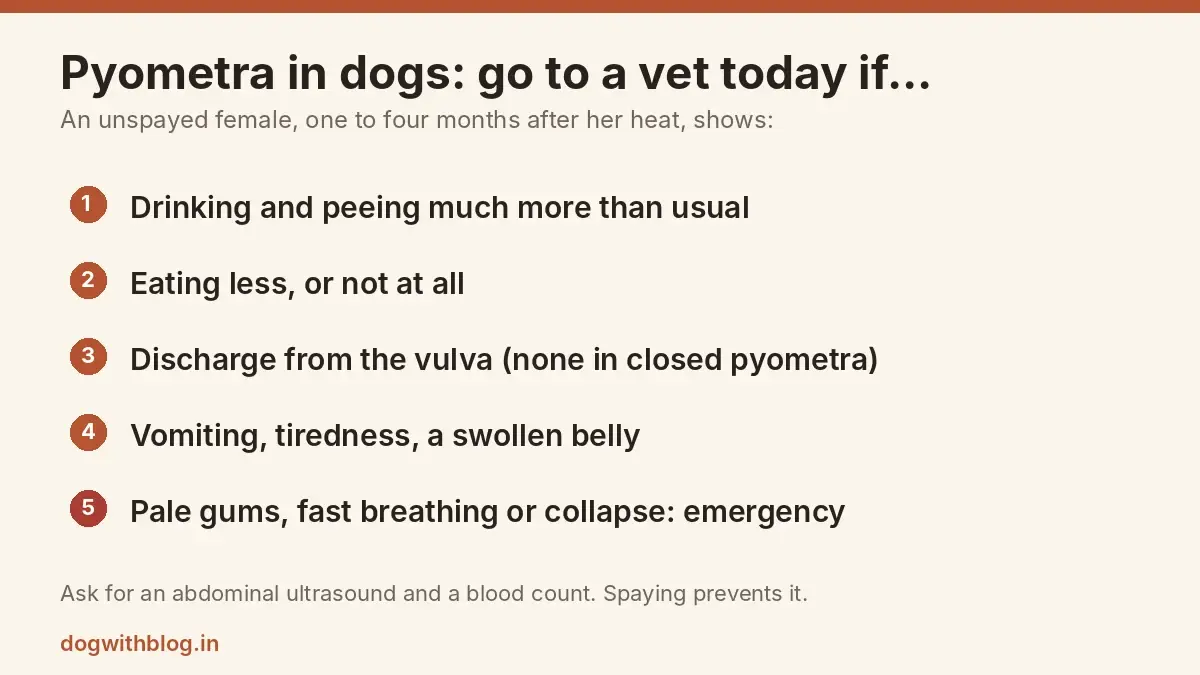 Pyometra: A Silent Threat to Unspayed Female Dogs
 Black Cats Steal Hearts with Sweet Personalities
 Nordstrom Introduces Hand‑Woven Eco‑Friendly Dog Food Mat
A sudden trip to the park, a new family member, or even a different route home can trigger hesitation. Owners who observe this behavior often report that the dog’s fear is short‑lived, lasting from a few days to a few weeks. The key is consistent, calm reassurance. Avoid forcing the dog into situations it resists; instead, offer gentle encouragement and positive reinforcement. How to Support Your Dog Through This Phase? Consistency is crucial. Keep feeding times, walks, and play sessions predictable. Gradually reintroduce the new stimulus at a low intensity, rewarding calm behavior with treats or praise. If the fear is pronounced, a brief period of isolation in a safe space can help the dog regain confidence. Avoid punishment, which can deepen anxiety. Veterinarians recommend monitoring for signs of stress, such as excessive licking, pacing, or aggression.
If such signs persist beyond a month, a consultation may be warranted to rule
If such signs persist beyond a month, a consultation may be warranted to rule out medical issues. Can This Fear Turn Into a Long‑Term Problem? Most dogs recover fully from adolescent fear periods. With patience and positive reinforcement, they often return to their former boldness. However, if the fear is extreme or accompanied by other symptoms, it may signal underlying health concerns. Owners should stay alert for changes in appetite, sleep, or social interaction. In most cases, the phase passes, leaving a calmer, more confident companion. Frequently Asked Questions Q: How long does an adolescent fear period last? A: Typically a few days to a few weeks. If it extends beyond a month, consult a vet. Q: Should I use medication to calm my dog? A: Medication is rarely necessary. Use it only under veterinary guidance if anxiety is severe. Q: Can I prevent this phase altogether?
A: Consistent training and gradual exposure to new stimuli reduce intensity, but the phase is a natural part of development.
Content written by alexf for galore-pets.com editorial team, AI-assisted.