What Your Dog's Most Annoying Habits Are Actually Telling You
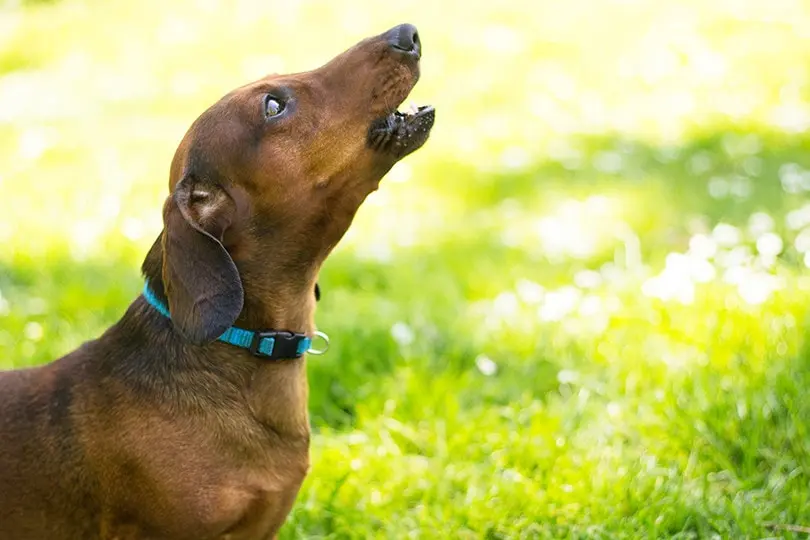
Constant Barking
Although dogs are deeply affectionate companions, daily life with them can occasionally prove surprisingly challenging. Unprovoked barking, leash-tugging that turns a calm walk into a wrestling match, or turning your favorite shoes into chew toys are scenarios most pet owners know well. The temptation to dismiss these as mere bad habits is strong, but reality reveals a deeper motivation behind each frustrating action. Dogs communicate primarily through behavior, meaning an annoying habit is usually a symptom of an underlying unmet need. The main obstacle is that we often waste energy fighting the symptom rather than investigating the root cause. Understanding what triggers unwanted behavior makes finding a lasting solution much easier.
Latest news
 Rescue Dog Shows Gratitude to Every Person Helping Her Heal
 Family Adopts Terminally Ill St. Bernard After Her Human Passes Away
 Neighbors Take Action After Town Ignores Abused Dog
 Retired Firefighter Reunited with Lost Dogs During Live Interview
Destructive Chewing
Dogs bark for numerous reasons, including boredom, anxiety, fear, perceived threats, or a desire for attention. Any dog, regardless of size, can develop a persistent barking habit. The key to a solution lies in identifying the specific trigger. Boredom-induced barking improves with increased physical exercise and mental stimulation, whereas fear-based barking demands a more structured approach. Teaching a reliable quiet command and avoiding accidental rewards for attention-seeking vocalizations also help greatly. Naturally vigilant breeds that spend their days guarding windows can become far calmer if their street view is blocked. Restricting access to front-facing rooms or applying privacy film to glass offers a simple fix: if they cannot see it, it stops worrying them.
Jumping on People
Chewing is completely normal for dogs, especially puppies going through the teething phase. However, it becomes problematic when furniture, clothing, carpets, or walls turn into primary targets. Boredom, anxiety, and a lack of proper outlets for their energy all contribute to destructive chewing habits. Providing appropriate chew toys, keeping valuable items out of reach, and managing their environment while they learn acceptable boundaries help redirect this behavior effectively.
A dog that greets visitors by leaping onto them has usually learned that jumping produces a reaction. Even pushing the dog away or shouting commands provides the exact attention they crave. Ignoring the jumping while rewarding calm behavior with all four paws firmly on the ground teaches the animal that staying down yields better results. Offering an alternative action, such as sitting down, clarifies the lesson further. When facing an overly friendly jumper, keep your arms crossed, mouth closed, and eyes averted. Step forward with lifted knees to prevent paws from catching traction, ignoring the dog entirely until it calms down and listens.
Table Begging
Dogs beg simply because it has worked for them in the past. Even a single successful instance of scoring food from the table can cement the habit, making it notoriously difficult to break. Feeding your dog before your own mealtimes reduces their motivation to beg, while training them to settle in a designated spot gives them an alternative task. Consistency remains the biggest challenge, as giving in even occasionally keeps the behavior alive. Furthermore, table scraps carry health risks, since many common human foods are toxic to dogs, and regular table food contributes heavily to canine obesity.
Leash Pulling
Constant leash pulling can quickly turn an otherwise pleasant walk into an exhausting physical ordeal. Dogs often pull simply because they are excited and have never learned that straining does not speed up the journey. Loose-leash training requires immense patience. Stopping completely every time the leash goes taut and only moving forward when it slackens teaches the dog which behavior allows the walk to continue. Rewarding the dog for walking right beside you reinforces the lesson nicely, while a properly fitted harness provides extra control during training sessions. Different dogs require different equipment, meaning gear suited for a small dog will not necessarily work for a large one.