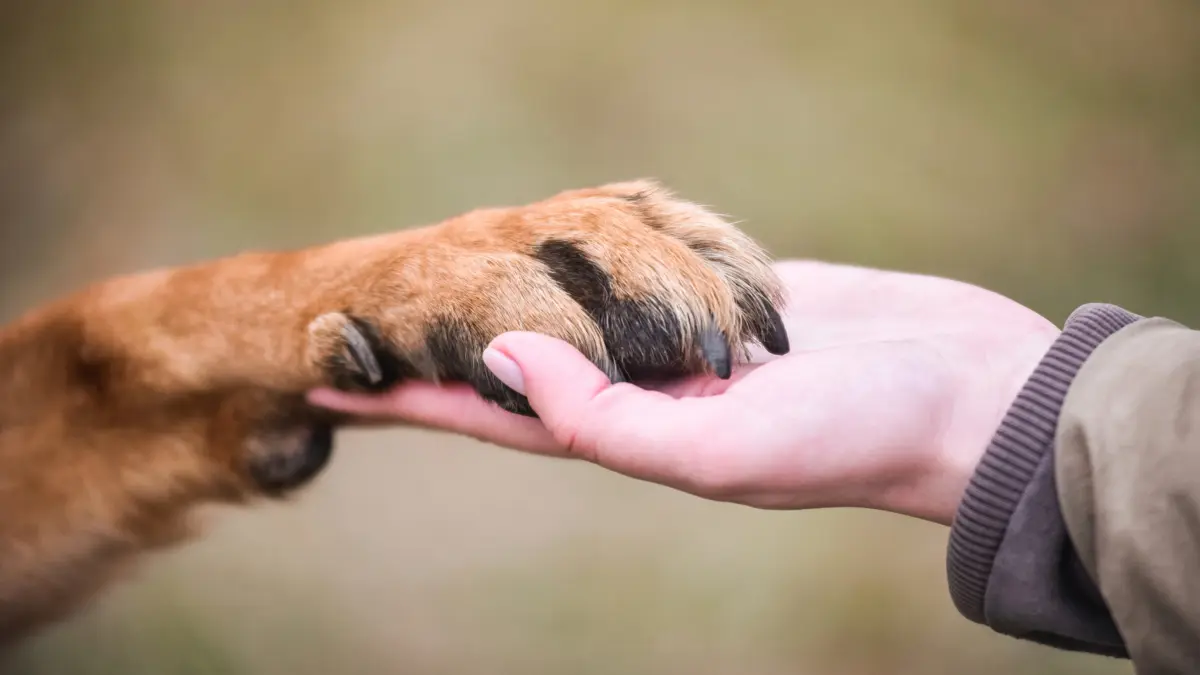
Understanding Your Dog’s Paw: What It Really Means
Pawing as a Call for Attention or Comfort
A dog might place a paw on your knee while you eat, tap your arm on the sofa, or lightly touch your shoulder from the back seat. These gentle touches can leave you wondering what your companion is trying to convey. Pawing is a common way dogs communicate, but the meaning depends on context and the dog’s body language.
Latest news
 Rescue Dog Shows Gratitude to Every Person Helping Her Heal
 Family Adopts Terminally Ill St. Bernard After Her Human Passes Away
 Neighbors Take Action After Town Ignores Abused Dog
 Retired Firefighter Reunited with Lost Dogs During Live Interview
When a dog puts a paw on you, it could be a sign of affection, a request for attention, or an attempt to signal a need. The gesture is often accompanied by other cues such as wagging tail, relaxed ears, or a soft gaze. If the dog’s body is tense or it is growling, the paw may indicate discomfort or a warning. Experts say that observing the overall posture and environment helps decode the message accurately.
Many owners notice their pets placing a paw on them when they’re distracted or when they need to be noticed. This behavior is especially common during quiet moments or when the dog feels left out. The paw may serve as a gentle reminder that the dog wants to be part of the activity. In some cases, the gesture signals a desire for petting or a simple desire to be close. Owners who respond promptly learn that their dogs appreciate the reassurance and often feel more secure.
Is Your Dog Trying to Tell You Something About Its Health?
A sudden increase in pawing can signal an underlying issue. If a dog repeatedly places a paw on the owner’s leg or hand, it might be indicating pain, a medical condition, or a need to use the bathroom. Veterinarians advise monitoring the frequency and context of the pawing. A sudden change in the dog’s behavior, especially if combined with other signs like limping or whining, warrants a professional checkup. Early detection of health problems can prevent more serious complications later on.
The impact of ignoring a dog’s pawing is significant. Dogs may become frustrated, develop anxiety, or resort to destructive behaviors. By paying attention to the paw, owners can strengthen the bond, address needs promptly, and ensure the pet’s well‑being. Understanding this simple gesture opens a new channel of communication and helps keep both dog and owner happier and healthier.
Frequently Asked Questions
What should I do if my dog keeps pawing my arm? Check for signs of discomfort, such as limping or a stiff gait. If the behavior persists, schedule a vet visit to rule out medical issues.
Can a dog’s pawing indicate that it wants to play? Yes, especially if the dog’s tail is wagging and the body is relaxed. A playful paw often invites a quick game or a petting session.
Is it normal for a dog to paw at different body parts? Dogs may target various areas depending on their mood and what they want. Pawing on the knee, shoulder, or hand each signals a slightly different need, so observe the context to interpret correctly.