Understanding and Managing Rough Play Among Dogs
The Importance of Socialization in Dog Play
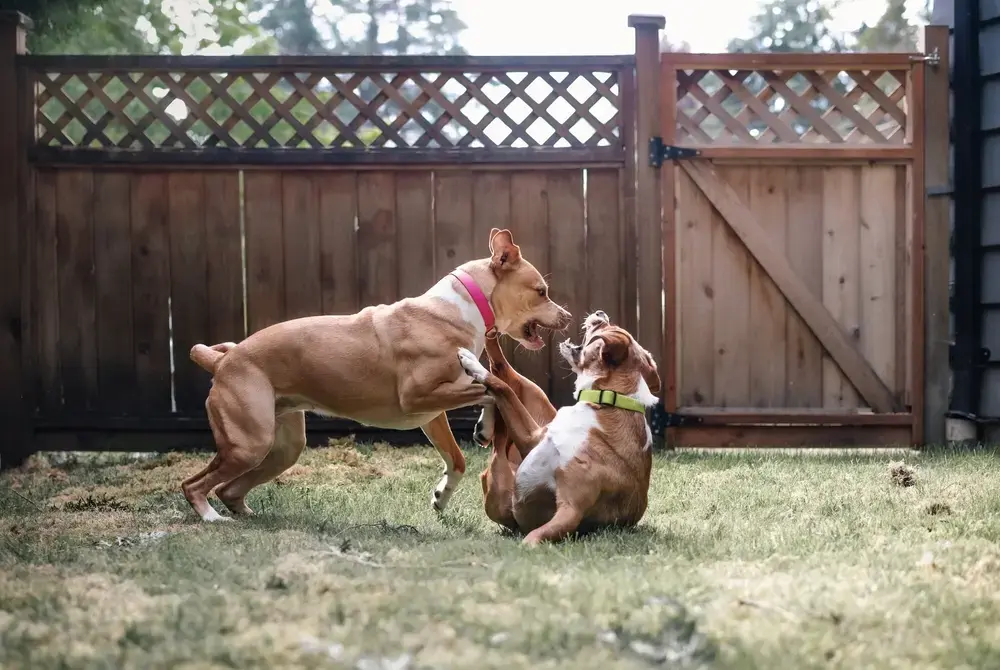
Rough play among dogs can quickly escalate into a problematic situation. Owners often find themselves in a challenging scenario where one moment dogs are joyfully running around, and the next, a yelp signals distress. This shift can catch owners off guard, leaving them scrambling to regain control. Recognizing the reasons behind rough play is crucial for addressing and preventing issues.
Latest news
 Rescue Dog Shows Gratitude to Every Person Helping Her Heal
 Family Adopts Terminally Ill St. Bernard After Her Human Passes Away
 Neighbors Take Action After Town Ignores Abused Dog
 Retired Firefighter Reunited with Lost Dogs During Live Interview
Dogs engage in rough play for various reasons, including social interactions and energy release. Puppies, in particular, often play vigorously as they learn social cues and boundaries. This behavior is normal and essential for their development. However, when play becomes too intense, it can lead to accidents or injuries, triggering concern among owners. Understanding the motivations behind this behavior can help owners manage their dogs more effectively.
Socialization is key to helping dogs learn appropriate play behaviors. When dogs interact with their peers, they develop crucial skills such as bite inhibition and understanding body language. This learning process is vital, especially for younger dogs. If a dog has limited social experiences, it may not recognize when its play style is too aggressive. Owners should seek opportunities for their dogs to interact with others in safe environments, like dog parks or training classes.
Additionally, observing play styles can provide insights into a dog's temperament. Some dogs may play more roughly due to their high energy levels or excitement. Others might be more sensitive and easily overwhelmed. It’s essential for owners to monitor their dogs during play and intervene when necessary. Teaching dogs to take breaks and encouraging calm behavior can help mitigate rough play.
Effective Strategies for Managing Rough Play
To prevent rough play from becoming a problem, owners can implement several strategies. Establishing clear boundaries during playtime is crucial. Training commands, such as gentleor enough,can help dogs understand when their behavior is too intense. Positive reinforcement can encourage calmer interactions.
Furthermore, providing ample physical and mental stimulation can reduce excess energy that often leads to rough play. Activities like puzzle toys, agility training, or regular walks can keep dogs engaged and less likely to play too roughly with others.
In conclusion, understanding the dynamics of dog play is essential for pet owners. By recognizing the reasons behind rough play and employing effective management strategies, owners can foster a safe and enjoyable environment for their dogs. Early intervention and proper socialization can lead to healthier play habits, ensuring that all dogs can enjoy their time together without escalating into problematic behavior.