
Dog Owners: Understanding Lumps and Bumps
Decoding the Discovery: What
Dog owners often discover unexpected lumps. These growths can appear suddenly during routine petting. Finding one is understandably alarming, but not always a sign of cancer. Early detection and veterinary care are crucial for your pet’s health.
Latest news
 Tiny Gray Kitten Rescued From Busy New York Construction Site
 The Resilient Mother: A Cat and Her Five Kittens Face Life‑Saving Struggle Behind a Nail Salon
 Tiny Tuxedo Kitten Becomes Viral Sensation for Vocalizing During Mealtime
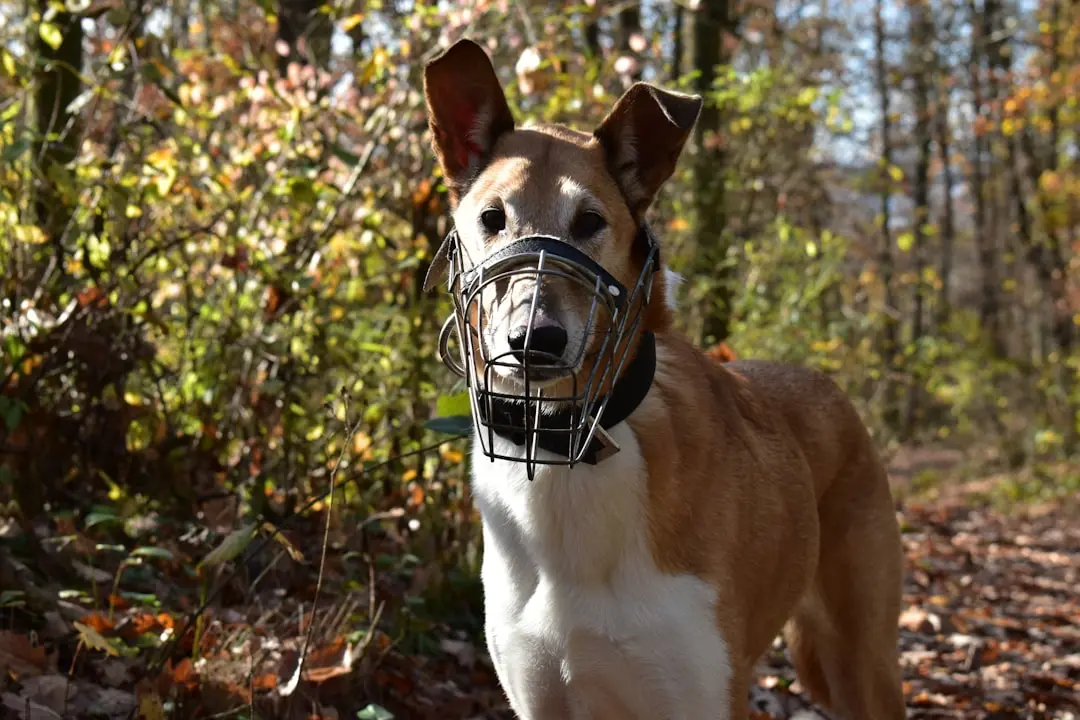 Keeping Your Scavenging Dog Safe During Daily Walks
Discovering a new lump prompts worry. It’s natural to fear the worst, but many lumps are benign. These can include cysts, lipomas (fatty tumors), or even localized infections. However, any new growth requires professional evaluation. Veterinarians can accurately diagnose the cause.
A thorough examination is the first step. Your vet will likely palpate the lump, noting its size, shape, and consistency. They’ll also check for pain or warmth. Location matters too; some areas are more prone to certain types of growths. Fine needle aspiration is a common diagnostic tool. This involves taking a small sample of cells for microscopic analysis.
Is It Serious? Distinguishing Benign from Malignant
Sometimes, more advanced imaging is needed. X-rays, ultrasound, or even biopsies can provide a clearer picture. These tests help determine if the lump is cancerous and, if so, the extent of the disease. Remember, early diagnosis significantly improves treatment outcomes. Don't delay a visit to the vet.
Not all lumps are cancerous. Lipomas are common, slow-growing fatty tumors. They feel soft and movable under the skin. Cysts are fluid-filled sacs that are also generally harmless. However, hard, rapidly growing lumps, or those attached to deeper tissues, are more concerning.
Inflammatory lumps can also occur due to infection or injury. These may be painful and warm to the touch. A vet can differentiate between these and potentially dangerous growths. Accurate diagnosis is key to appropriate treatment.
Ignoring a lump won't make it disappear. In fact, delaying veterinary care can allow a cancerous growth to spread. Early intervention offers the best chance for successful treatment and a good quality of life for your dog.
Frequently Asked Questions
What should I do if I find a lump? Schedule a veterinary appointment as soon as possible. Early detection is crucial for effective treatment. Your vet will perform a thorough examination and recommend appropriate diagnostic tests.
Are certain breeds more prone to lumps? Yes, some breeds have a higher risk of developing certain types of lumps. Golden Retrievers, Labrador Retrievers, and German Shepherds are predisposed to certain cancers. Regular checkups are especially important for these breeds.
Can diet play a role in lump formation? While diet isn't a direct cause, a healthy diet supports overall immune function. This can help the body fight off potential problems. Maintaining a healthy weight is also important, as obesity can contribute to inflammation.
Content written by Claire Dubois for galore-pets.com editorial team, AI-assisted.