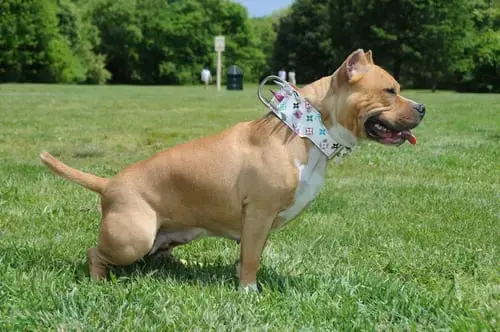
How To Detect & Prevent Urinary Tract Infections in Dogs
Adding moisture through wet food or water additives encourages hydration
Many dog owners only consider urinary tract health when their pet shows signs of infection and requires veterinary care. This reactive approach overlooks simple preventive measures that can maintain urinary wellness. Early detection and consistent care significantly reduce the risk of painful infections and complications. Urinary tract infections in dogs often stem from bacterial buildup, dehydration, or underlying health issues like diabetes or bladder stones. Symptoms include frequent urination, straining, blood in urine, or licking the genital area. Ensuring constant access to fresh water, regular bathroom breaks, and a balanced diet supports urinary health. Veterinarians may recommend urine tests or imaging to diagnose issues before they worsen. How Diet and Hydration Influence Urinary Health A dog’s diet directly affects urine pH and concentration, which can either prevent or promote bacterial growth. High-quality dog food with appropriate protein levels helps maintain a healthy urinary environment.
Latest news
 Rescue Dog Shows Gratitude to Every Person Helping Her Heal
 Family Adopts Terminally Ill St. Bernard After Her Human Passes Away
 Neighbors Take Action After Town Ignores Abused Dog
 Retired Firefighter Reunited with Lost Dogs During Live Interview
Adding moisture through wet food or water additives encourages hydration, diluting urine and flushing out potential pathogens. Owners should avoid excessive treats high in minerals that may contribute to crystal formation. Monitoring urine color and frequency offers early clues about internal balance. What Steps Can Owners Take to Prevent Recurring Infections? Preventing recurrent UTIs involves consistent hygiene and proactive veterinary care. Cleaning the genital area gently after outdoor activities reduces bacterial exposure, especially in female dogs. Scheduling routine check-ups allows vets to detect subtle changes through urinalysis or blood work. For dogs with a history of infections, vets may prescribe supplements like cranberry extract or probiotics under guidance. Promptly addressing any signs of discomfort prevents minor issues from becoming serious infections requiring antibiotics. Frequently Asked Questions How can I tell if my dog has a urinary tract infection?
Look for signs such as accidents in the house, crying during urination, cloudy or foul-smelling urine, or excessive licking of the urinary opening. If symptoms persist beyond 24 hours, consult a veterinarian for testing. Are certain dog breeds more prone to UTIs? Yes, breeds like Bulldogs, Dachshunds, and Shih Tzus have higher risks due to anatomy or genetic predispositions. Female dogs are also more susceptible than males because of their shorter urethra. Can diet alone prevent urinary tract infections in dogs? While diet plays a key role, it works best combined with hydration, hygiene, and veterinary oversight. No single factor guarantees prevention, but a holistic approach lowers risk significantly.