
How Do I Know When It’s Time to Put My Dog Down? A Veterinarian Explains
Assessing Quality of Life Through Observable Signs
Deciding to euthanize a beloved dog is one of the most difficult choices a pet owner can face, often arising after months of observing declining health and quality of life. Veterinarians emphasize that this decision is rarely based on a single bad day but rather on a sustained pattern of suffering that outweighs moments of comfort. The process involves careful evaluation of the dog’s ability to eat, move, control bodily functions, and experience joy, with professional guidance helping owners navigate this emotional journey with compassion and clarity.
Latest news
 Man Saves Puppies from Well, Then Cleans Up the Mess
 A Grieving Pit Bull Finds New Purpose After Adopting An Orphaned Puppy
 Joyful Reunion Brings Tears to a Young Girl After Two Months Apart
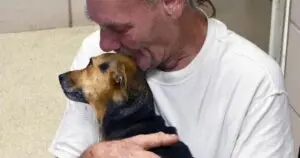 A Devoted Pet Owner Finds Hope After Tragedy Strikes in Florida
Veterinarians recommend monitoring specific indicators such as persistent pain despite medication, refusal to eat or drink, inability to stand or walk without assistance, and withdrawal from interaction with family members. A dog that no longer responds to favorite activities, shows signs of confusion or anxiety, or experiences frequent incontinence may be signaling that their body is shutting down. These signs, when occurring consistently over days or weeks, suggest that medical interventions may no longer provide meaningful relief, prompting honest conversations about humane end-of-life care.
How Can Owners Prepare for This Emotional Decision?
Preparation involves open discussions with veterinary professionals about prognosis, pain management options, and what to expect during the euthanasia process. Many clinics offer quiet rooms, sedatives to minimize stress, and the option for owners to remain present throughout. Grief counseling and pet loss support groups are also recommended to help owners process guilt, sadness, and the profound sense of loss that often follows. Remembering that choosing peace over prolonged suffering is an act of love can provide solace during this painful transition.
How do I know if my dog is in pain? Signs include whimpering, panting at rest, reluctance to move, flinching when touched, and changes in posture or facial expression. A veterinarian can help assess pain levels using standardized scales.
Frequently Asked Questions
Is it okay to feel guilty after euthanizing my pet? Guilt is a common part of grief, but it’s important to recognize that choosing euthanasia to prevent suffering is a compassionate decision, not a failure. Talking with others who have experienced pet loss can help ease these feelings.
Can I be with my dog during the procedure? Yes, most veterinarians encourage owners to stay if they wish, as their presence can provide comfort to the pet in its final moments. Sedatives are often used to ensure the dog remains calm and unaware.
Content written by Carol Bryant for galore-pets.com editorial team, AI-assisted.