Common Kitchen Hazards That Put Your Dog at Risk
Toxic Ingredients Hiding in Your Pantry
Many pet owners understand the dangers of chocolate, but several common household foods pose equally serious threats to canine health. Because dogs possess a digestive system far less complex than humans, they cannot safely process many ingredients found in a typical pantry. Protecting your pet requires constant vigilance regarding what they consume.
Latest news
 Rescue Dog Shows Gratitude to Every Person Helping Her Heal
 Family Adopts Terminally Ill St. Bernard After Her Human Passes Away
 Neighbors Take Action After Town Ignores Abused Dog
 Retired Firefighter Reunited with Lost Dogs During Live Interview
Dogs lack the metabolic pathways to break down substances that humans digest easily. Feeding your pet table scraps or dropped food can lead to immediate illness or long-term organ damage. Understanding these dietary limitations is essential for every responsible dog owner to ensure their pet remains healthy and safe at home.
Onions and garlic are particularly dangerous, as they contain compounds that can damage a dog's red blood cells. Even small amounts of these aromatics can lead to anemia or severe lethargy. Similarly, grapes and raisins are known to trigger sudden kidney failure in some dogs, even in tiny quantities.
Could Your Table Scraps Cause Permanent Damage?
Xylitol, an artificial sweetener often found in sugar-free gum and peanut butter, is another major concern. It causes a rapid, life-threatening drop in blood sugar and potential liver failure. Always check product labels carefully before offering any human food to your dog, as hidden additives can be fatal.
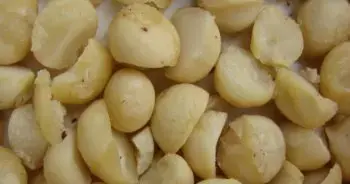
While some foods cause immediate distress, others lead to chronic health issues. Macadamia nuts, for instance, affect the nervous system and cause muscle tremors or weakness. Alcohol and caffeine are also strictly off-limits, as they can cause dangerous heart rate spikes and seizures in smaller animals.
Frequently Asked Questions
Ignoring these dietary restrictions can result in expensive emergency veterinary visits or irreversible internal damage. If you suspect your dog has ingested a harmful substance, contact a veterinarian immediately. Proactive awareness remains the most effective way to prevent accidental poisoning and keep your companion safe.
What should I do if my dog eats something toxic? Contact your veterinarian or an animal poison control center immediately. Time is critical, and professional guidance will determine if your pet needs emergency care.
Is it safe to give dogs small amounts of human food? Most human foods are not formulated for canine biology and carry unnecessary risks. It is best to stick to high-quality dog food to avoid accidental ingestion of harmful ingredients.