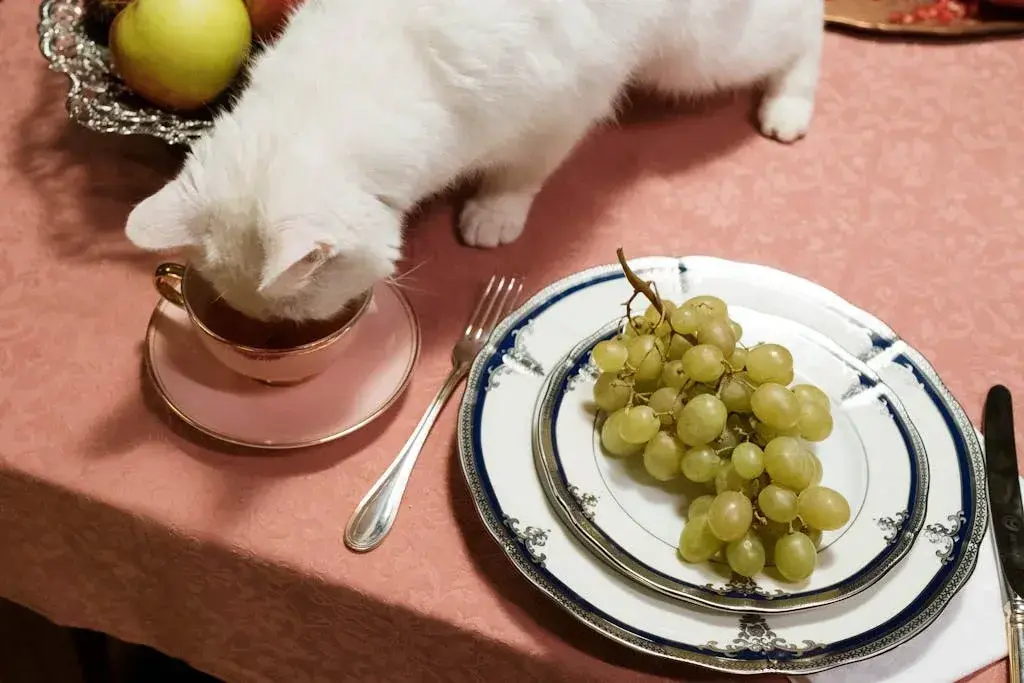
Deadly Kitchen Staples: Foods That Can Kill Your Cat
Hidden Dangers in Everyday Foods
Many cat owners unknowingly keep toxic foods in their kitchens. Cats are naturally curious, and their owners' careless habits can be deadly. Cats often ingest toxic substances by accident. This can happen when they're exploring their surroundings.
Latest news
 Rescue Dog Shows Gratitude to Every Person Helping Her Heal
 Family Adopts Terminally Ill St. Bernard After Her Human Passes Away
 Neighbors Take Action After Town Ignores Abused Dog
 Retired Firefighter Reunited with Lost Dogs During Live Interview
Some common household foods are toxic to cats. Onions, garlic, and chives belong to the Allium family and can cause damage to a cat's red blood cells. When ingested, these foods can lead to anemia, a condition characterized by a lack of red blood cells. Cats that eat these foods may exhibit symptoms such as vomiting, diarrhea, and lethargy.
Grapes and raisins are also toxic to cats, although the exact mechanism of their toxicity is not fully understood. It's known that consuming these foods can cause kidney failure in cats. Xylitol, a sugar substitute commonly used in sugar-free gum, candy, and baked goods, can cause a rapid drop in blood sugar and even liver failure. Chocolate contains a compound called theobromine, which can be toxic to cats.
Can Your Cat's Food Preferences Be Deadly?
Cats have different sensitivities to these foods, and the severity of the reaction depends on the amount consumed and the individual cat's sensitivity. For example, dark chocolate is more toxic than milk chocolate due to its higher theobromine content. Macadamia nuts can cause weakness, depression, vomiting, tremors, and hyperthermia in cats.
If your cat ingests any of these foods, it's essential to seek veterinary attention immediately. Prompt treatment can help minimize the damage and prevent long-term health consequences. In severe cases, ingestion of these foods can be fatal.
Frequently Asked Questions
Q: What should I do if my cat eats something toxic? A: Contact your veterinarian or a pet poison hotline immediately. Provide as much information as possible about the substance ingested and the amount consumed.
Q: Are there any safe alternatives to common toxic foods? A: Yes, there are many cat-safe treats available. Consult with your veterinarian to determine the best options for your cat.
Q: Can I prevent my cat from accessing toxic foods? A: Yes, by storing toxic foods in secure locations and being mindful of your cat's surroundings, you can minimize the risk of accidental ingestion.