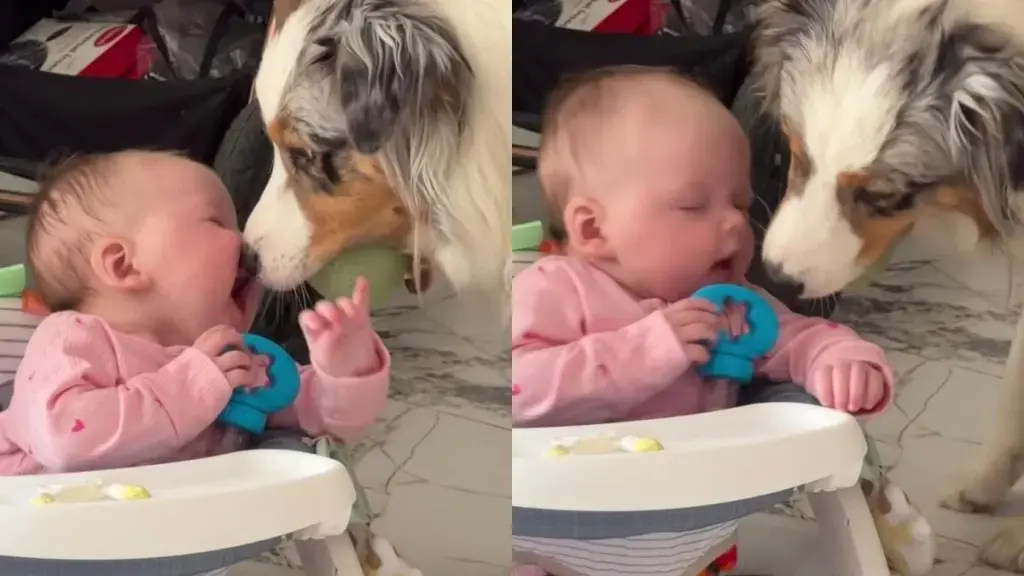
Australian Shepherd Tries to Teach Newborn Fetch, Gets Playful Lesson in Patience
Skyla’s Fetch Mission: A Canine Lesson in Inclusion
A family in suburban Melbourne welcomed a newborn last month, and their four‑year‑old Australian Shepherd, Skyla, immediately assumed the role of playmate. The eager dog repeatedly brings a soft ball to the infant’s crib, dropping it at the baby’s feet as if expecting an instant game of fetch. The infant, still too young to grasp the concept, coos while Skyla patiently waits for a response, turning the nursery into a quirky training ground.
Latest news
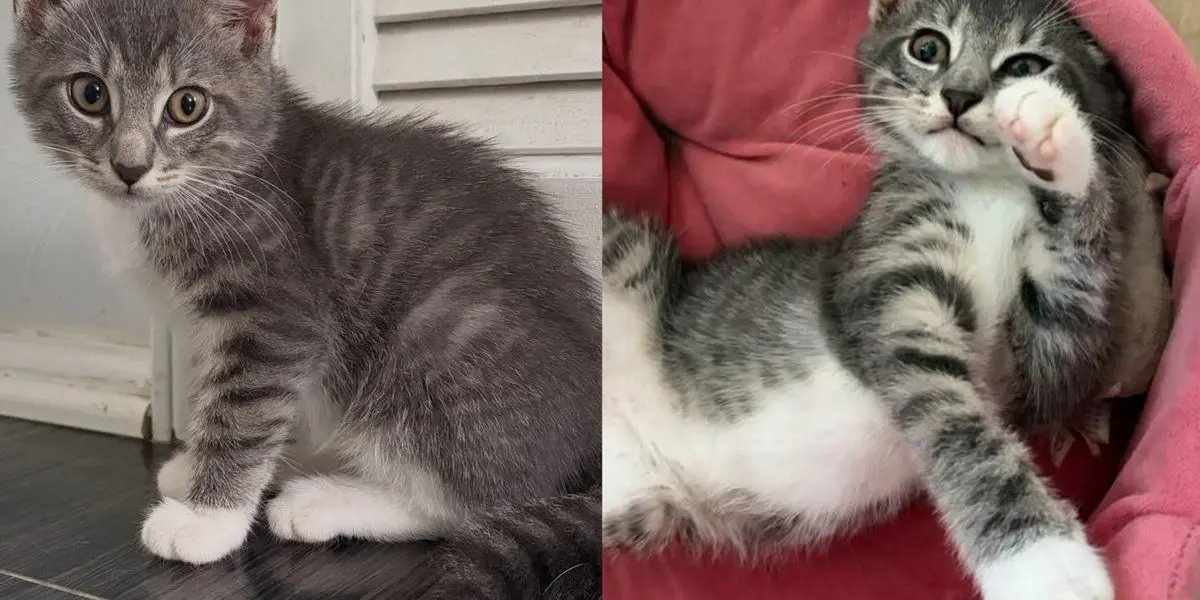 Tiny Gray Kitten Rescued From Busy New York Construction Site
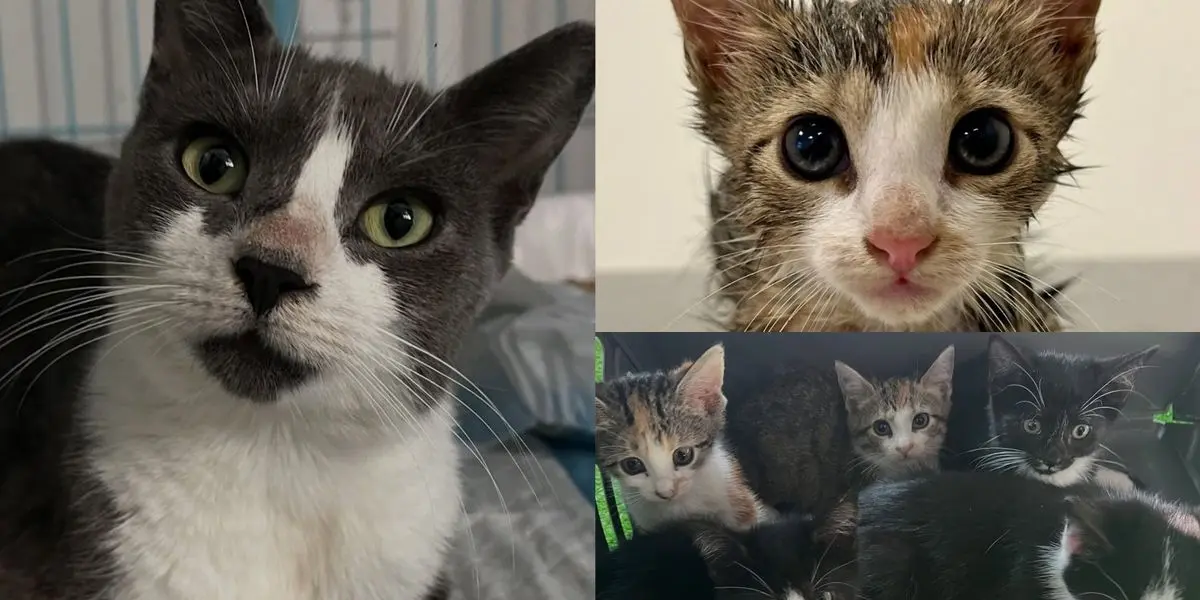 The Resilient Mother: A Cat and Her Five Kittens Face Life‑Saving Struggle Behind a Nail Salon
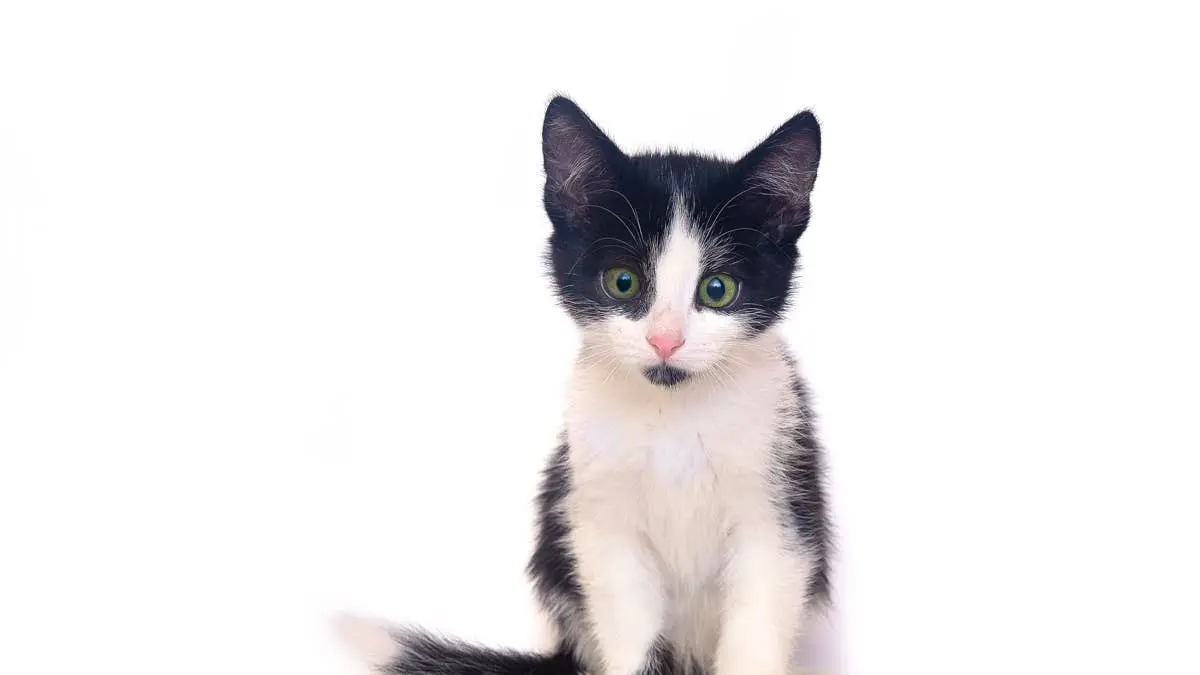 Tiny Tuxedo Kitten Becomes Viral Sensation for Vocalizing During Mealtime
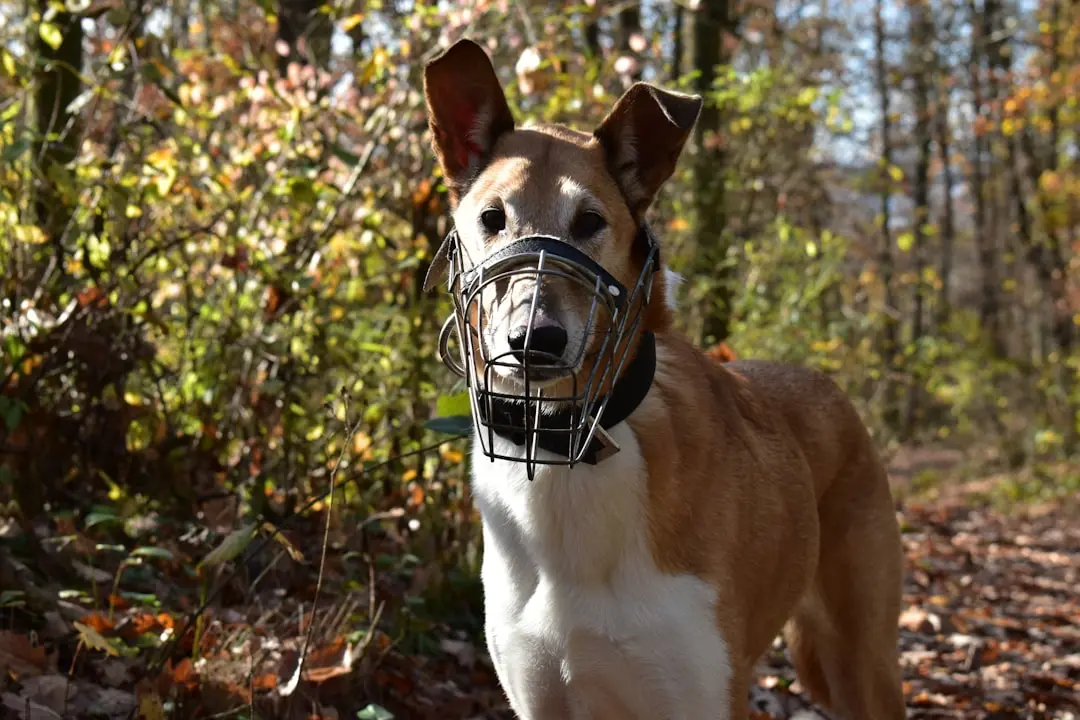 Keeping Your Scavenging Dog Safe During Daily Walks
Skyla’s behavior reflects typical canine instincts to involve all pack members in group activities. Owners, Emma and James Collins, say the dog has been „insisting” on the routine for days, retrieving the toy from the floor and gently nudging it toward the baby. The family attributes the habit to Skyla’s strong bond with the household and her natural desire to include the newest member in daily rituals. While the infant cannot yet retrieve the ball, the dog’s persistence offers a heart‑warming glimpse into interspecies bonding and the ways pets adapt to family changes.
The Collinses first noticed Skyla’s new habit when she trotted into the nursery with a bright orange squeaker in her mouth. „She placed it right by the baby’s hand and sat down, looking at us as if asking, ‘Now what?’” Emma recalled. The dog repeats the action several times a day, each time pausing to watch the baby’s reaction. Veterinary behaviorist Dr. Lena Ortiz explains that such behavior is common among intelligent breeds like Australian Shepherds, which thrive on structured play and social interaction. „When a new family member arrives, dogs often try to integrate them by extending familiar games,” she said.
Can Dogs Teach Babies Social Skills?
The family has responded by encouraging Skyla’s efforts, praising her when she brings the ball and gently guiding the infant’s hand toward it. Though the baby cannot yet grasp the ball, the routine has fostered a calm atmosphere, with Skyla’s steady presence soothing both parents and child during nighttime feedings.
Experts suggest that early exposure to a well‑behaved dog can benefit a child’s social development. Dr. Ortiz notes that „observing a dog’s patience and gentle persistence can model empathy and turn‑taking for a child as they grow.” While the infant is far from understanding fetch, the repeated interaction may lay the groundwork for future cooperative play. The Collinses plan to continue the routine, hoping that as the child learns to crawl and walk, they will eventually join Skyla in a proper game of fetch.
The playful dynamic also highlights the importance of supervising pet‑baby interactions. The Collinses keep a close eye on Skyla, ensuring the dog’s enthusiasm never becomes overwhelming. Their approach underscores a broader trend among new parents who view pets as integral family members, integrating them into daily routines from day one.
Frequently Asked Questions
Why does Skyla think the baby can play fetch? Dogs often treat all pack members equally, extending familiar games to newcomers. Skyla likely sees the baby as part of her social group and wants to include them.
Is it safe for a dog to interact with a newborn this closely? Supervision is key. As long as the dog is calm, well‑trained, and the interaction is monitored, such contact can be safe and beneficial for both.
Will the baby eventually learn to fetch with Skyla? As the child grows and develops motor skills, they can join in the game. Early exposure may make the transition smoother when the child is ready.
Content written by Khushali Srivastava for galore-pets.com editorial team, AI-assisted.