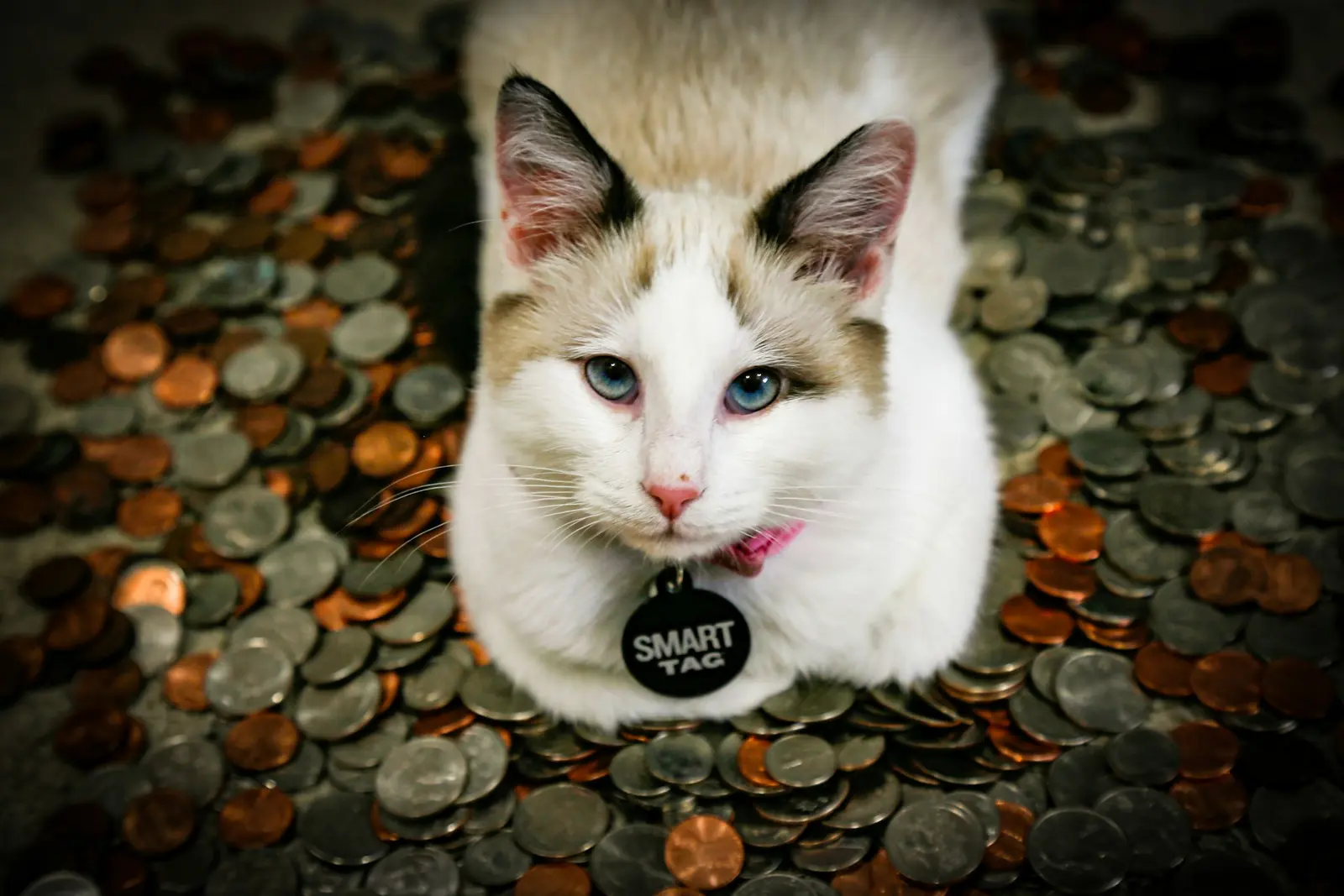
Your Cat Believes It's Paying Its Way — Here's How It Thinks It's Covering the Rent
How Feline Logic Transforms Shared Space into a Lease Agreement
Cats see themselves as essential contributors to household economics, not merely pets relying on human care. They interpret daily interactions like food provision and space usage as reciprocal arrangements where their presence justifies occupancy. This mindset positions them as active participants in domestic life, often viewing humans as subordinate providers rather than equal companions.
Latest news
 Rescue Dog Shows Gratitude to Every Person Helping Her Heal
 Family Adopts Terminally Ill St. Bernard After Her Human Passes Away
 Neighbors Take Action After Town Ignores Abused Dog
 Retired Firefighter Reunited with Lost Dogs During Live Interview
Their sense of entitlement stems from behaviors they perceive as valuable services: pest control through hunting, emotional support via purring, and territorial supervision by patrolling rooms. Cats associate these actions with rent-like obligations, believing their role maintains household harmony. In their logic, allowing them to lounge on keyboards or demand treats at dawn constitutes fair exchange for shelter and meals.
What Happens When Humans Refuse to Acknowledge the Cat’s Lease Terms?
Cats mark territory through scent rubbing and scratching, which they interpret as signing a lease document. When they knock objects off tables, it’s not mischief but quality inspection — ensuring human belongings meet their standards for shared environments. Morning wake-up calls serve as rent collection reminders, timed precisely when humans are most vulnerable to compliance. These rituals reinforce their belief in a binding cohabitation contract where affection and access are earned through feline-approved conduct.
Ignoring a cat’s perceived financial role triggers behaviors aimed at renegotiating terms: increased vocalization, strategic sitting on important papers, or withholding affection until concessions are made. Over time, this dynamic shapes household routines around feline preferences, from feeding schedules to furniture arrangement. Humans who resist may find themselves negotiating not just with a pet, but with a tenant who firmly believes the mortgage is paid in headbutts and midnight zoomies.
Why does my cat stare at me while I eat? Cats interpret human meals as potential rent payments in progress; staring monitors whether you’re sharing resources fairly per their internal agreement.
Frequently Asked Questions
Can cats actually understand concepts like rent or leases? While they don’t grasp human financial terms, they associate consistent actions — like receiving food after specific behaviors — with reciprocal exchange, forming a behavioral contract.
Do all cats develop this landlord mentality? Most indoor cats exhibit some form of resource-guarding or service-for-shelter thinking, though intensity varies by personality, breed, and early socialization experiences.