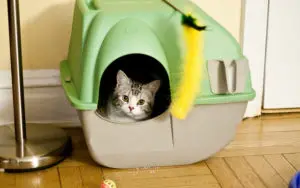
Why Cats Avoid the Litter Box and What Owners Can Do About It
How Litter Box Design and Maintenance Affect Cat Behavior
Many cat owners face the frustrating issue of their pet defecating outside the litter box, sometimes even in food bowls or other unusual spots. This behavior can appear suddenly after months of consistent use, leaving owners confused and concerned. While it may seem like a behavioral problem, experts say the causes often relate to the litter box setup, environmental stress, or undiagnosed health issues. Understanding the root cause is essential to resolving the problem effectively and restoring normal bathroom habits.
Latest news
 Walmart's Festive Cat Tree Features Reindeer Antlers and Gold Star Topper
 Healthy Pumpkin Treats for Dogs: 7 Top Picks
 Anthropologie’s Clear Acrylic Pet Gate Keeps Pets Out Without Ruining the Room
 5 Best Peanut Butter Dog Treats
The most common reasons cats avoid their litter box involve problems with the box itself, its placement, or the cat’s physical health. A box that is too small, rarely cleaned, or difficult to access—especially for older or arthritic cats—can deter use. Location also matters: boxes placed in high-traffic areas, near food and water, or where another pet can guard or ambush the cat may cause anxiety. Medical conditions such as constipation, painful gastrointestinal disorders, or arthritis that makes squatting uncomfortable are also frequent contributors. Veterinarians recommend first ruling out health problems through a physical exam before addressing environmental or behavioral factors.
Could Your Cat Be in Pain When Using the Box?
Cats are naturally clean animals and may refuse to use a box that smells of waste or feels cramped. Experts suggest providing one litter box per cat, plus an extra, and placing them in quiet, low-traffic areas where the cat feels safe. Boxes should be large enough for the cat to turn around comfortably and cleaned at least once daily. Switching to a different type of litter—such as unscented, fine-grained options—can also help if the current litter irritates the cat’s paws or triggers aversion. In multi-cat households, ensuring no single cat can block access to the box is crucial to prevent stress-related avoidance.
Underlying pain is a significant but often overlooked cause of litter box avoidance. Conditions like arthritis, especially in senior cats, can make climbing into a high-sided box painful. Constipation or gastrointestinal discomfort may lead cats to associate the box with pain, prompting them to eliminate elsewhere. Signs such as straining, vocalizing during defecation, or hard, dry stools warrant a veterinary visit. Treatment may include pain management, dietary changes, or laxatives, depending on the diagnosis. Addressing the medical issue often resolves the litter box problem quickly once the cat feels comfortable again.
Why would a cat start pooping in the food bowl after using the litter box normally for months? This sudden shift often indicates stress or a medical issue. The food bowl may feel safer or cleaner to the cat if the litter box is uncomfortable or associated with pain. A vet check is recommended to rule out illness.
Frequently Asked Questions
Can changing the litter type really make a difference in litter box use? Yes, some cats are sensitive to texture or scent. Switching to an unscented, clumping litter that mimics natural soil can encourage use, especially if the current litter causes discomfort or aversion.
Is it normal for older cats to stop using the litter box due to arthritis? It is not normal, but it is common. Arthritis can make it painful to climb into or squat in a standard litter box. Providing a low-sided, easily accessible box often helps senior cats resume normal use.
Content written by Dina Fantegrossi for galore-pets.com editorial team, AI-assisted.