The Cat’s Bathroom Blues: Why Your Feline Is Avoiding the Litter Box
The Litter Box Environment: A Cat’s First Priority
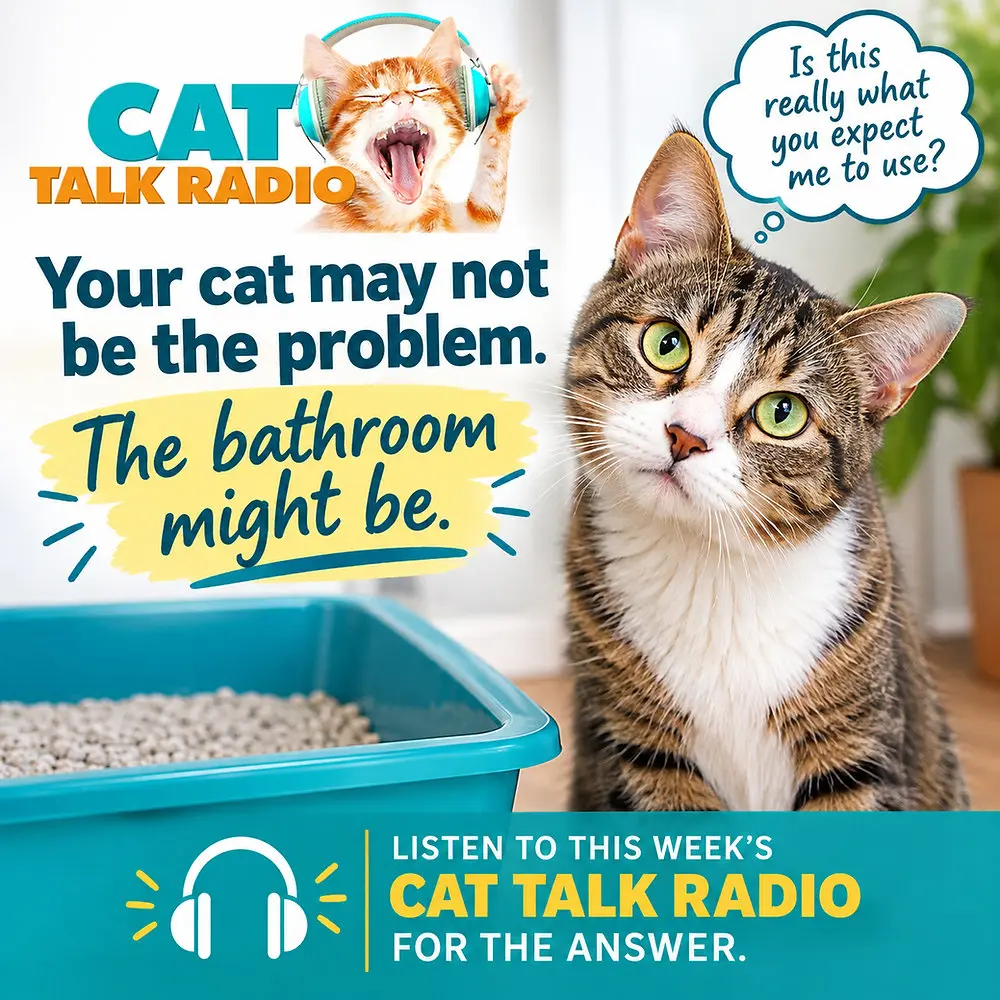
When a cat starts peeing on the bed, pooping beside the litter box, or even using the bathtub, owners often wonder what’s wrong with their pet. The problem may not be the cat at all but the bathroom itself. Litter box issues are common and can stem from several environmental factors.
Latest news
 Walmart's Festive Cat Tree Features Reindeer Antlers and Gold Star Topper
 Healthy Pumpkin Treats for Dogs: 7 Top Picks
 Anthropologie’s Clear Acrylic Pet Gate Keeps Pets Out Without Ruining the Room
 5 Best Peanut Butter Dog Treats
Cats are naturally clean animals. They expect a quiet, private spot to eliminate. If the litter box is too close to a food bowl, too loud, or contains an unpleasant scent, a cat may look for alternatives. The type of litter, the size of the box, and the number of boxes also influence behavior. When a cat chooses a rug or a bathtub, it signals discomfort or avoidance of the designated spot.
Cats require a litter box that meets their sensory needs. The box should be large enough to turn around comfortably. A box that is too small can cause stress. The litter itself should be fine-grained and low‑odor. Cats dislike strong fragrances and may avoid a box that smells like cleaning products. Placement matters too; a box in a quiet corner away from high traffic is ideal. If a cat must cross a hallway or a noisy area to reach the box, it may opt for a more convenient spot.
Is the Bathroom a Cat‑Friendly Space?
Veterinary behaviorists note that cats often hide their waste to maintain a tidy environment. When a box is soiled, the cat may refuse to use it again. Regular cleaning—daily scooping and weekly full replacement—helps keep the box inviting. Some owners try adding a second box in a different room, which can reduce competition for space and encourage use.
The bathroom can be a stressful environment for a cat. The tile, the scent of cleaning agents, and the presence of a shower or bathtub can all be off‑limits. Cats may feel threatened by the vibrations of a running shower or the bright light of a digital timer. A simple solution is to keep the bathroom door closed and place a litter box in a separate room. If a cat still uses the bathtub, it may be because the bathtub offers a softer surface than the floor. Providing a padded mat near the litter box can mimic that comfort.
Some owners report that cats prefer a rug or a carpeted area for elimination. This preference can be due to the texture or the warmth of the surface. Adding a small, low‑profile mat near the litter box can satisfy the cat’s desire for a specific texture while keeping the box itself clean.
What to Do When Your Cat Starts Avoiding the Box
If your cat suddenly stops using the litter box, act quickly. First, check the box for cleanliness and odor. Second, consider the box’s location; move it to a quieter spot. Third, experiment with different litter types—clumping, non‑clumping, scented, unscented. Fourth, add a second box to give the cat options. Finally, observe the cat’s behavior. If elimination continues to occur elsewhere, a quick veterinary check can rule out medical issues such as urinary tract infections or constipation.
Addressing litter box problems early prevents stress and potential health issues. Cats that feel safe and comfortable in their bathroom area are less likely to develop behavioral problems or urinary complications. By paying attention to the cat’s preferences and adjusting the environment, owners can restore harmony and keep both the cat and the household clean.
Frequently Asked Questions
Why does my cat choose a rug instead of the litter box? Cats may find a rug’s texture or warmth more appealing. Adding a small mat near the box can satisfy this preference while keeping the box clean.
How many litter boxes should I have for one cat? The rule of thumb is one box per cat plus one extra. This reduces competition and ensures a box is always available.
What litter type is best for a sensitive cat? Unscented, fine‑grained clumping litter is usually the safest choice. It reduces odor and is gentle on paws.
Content written by molly6383 for galore-pets.com editorial team, AI-assisted.