Is Your Cat Vulnerable to Heartworm?
Why Cats Show Different Symptoms
Cats, even indoor ones, face heartworm disease risk. Mosquitoes transmit the parasite, infecting pets across the country. While dogs are commonly affected, cats are also susceptible. Early detection and prevention are crucial for feline health.
Latest news
 Rescue Dog Shows Gratitude to Every Person Helping Her Heal
 Family Adopts Terminally Ill St. Bernard After Her Human Passes Away
 Neighbors Take Action After Town Ignores Abused Dog
 Retired Firefighter Reunited with Lost Dogs During Live Interview
Heartworm disease occurs when infected mosquitoes bite a cat. The larvae enter the bloodstream and eventually migrate to the heart and lungs. Unlike dogs, cats don’t typically harbor a large number of worms. This makes diagnosis challenging, as standard tests may yield false negatives. However, even a few worms can cause severe respiratory distress and organ damage.
Cats often exhibit vague, non-specific symptoms. These can include asthma-like coughing, vomiting, and lethargy. These signs are easily mistaken for other common feline illnesses. Sudden collapse, difficulty breathing, and even death can occur in severe cases. The disease’s impact on a cat’s respiratory system is often dramatic.
Can Heartworm Be Treated in Cats?
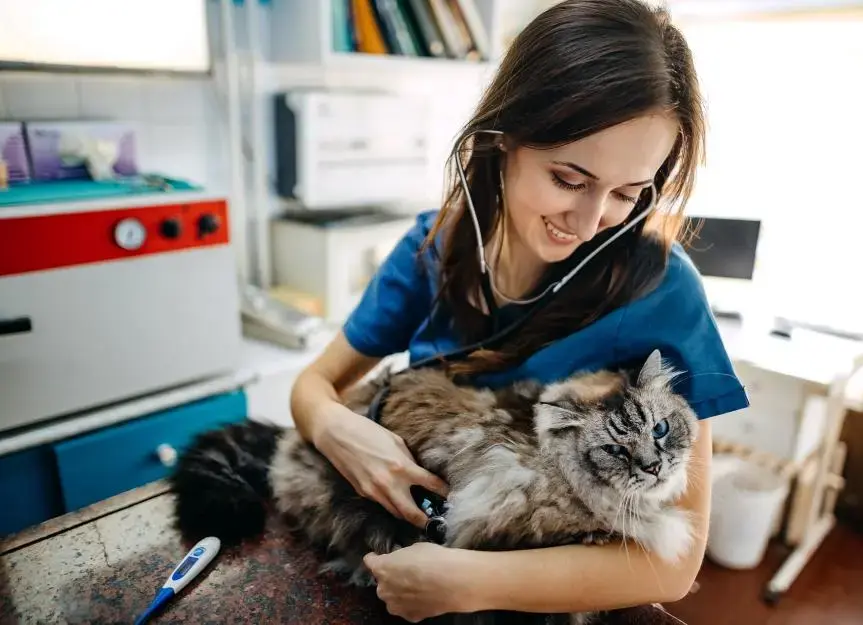
Veterinarians diagnose heartworm in cats using a combination of tests. These include antigen and antibody tests, along with X-rays and echocardiograms. Antigen tests detect the presence of adult worms, but are unreliable. Antibody tests indicate exposure, but don’t confirm active infection. Imaging helps assess the extent of lung and heart damage.
There is no approved drug to kill adult heartworms in cats. Treatment focuses on managing symptoms and preventing further complications. Steroids and bronchodilators can help reduce inflammation and improve breathing. Supportive care, such as oxygen therapy, may be necessary in severe cases. Prevention is the most effective strategy.
Monthly preventative medications protect cats from heartworm infection. These are available as topical treatments or oral medications. It’s vital to administer the preventative year-round, even for indoor cats. A single bite from an infected mosquito can transmit the parasite. Consistent prevention safeguards your cat’s well-being.
Without preventative care, heartworm disease can lead to chronic respiratory problems. Heart failure and organ damage are also serious risks. The prognosis for cats with heartworm is often guarded. Early detection and diligent management can improve the quality of life.
Frequently Asked Questions
Can indoor cats still get heartworm? Yes. Mosquitoes can enter homes through open doors and windows. Even limited exposure is enough for transmission. Consistent preventative medication is essential for all cats.
What if my cat tests negative for heartworm? A negative test doesn’t guarantee your cat is free of infection. False negatives are common. Continue monthly preventative medication to ensure ongoing protection.
Are there side effects to heartworm preventatives? Most cats tolerate preventatives well. Mild, temporary side effects like vomiting or diarrhea are possible. Contact your veterinarian if you notice any concerning reactions.