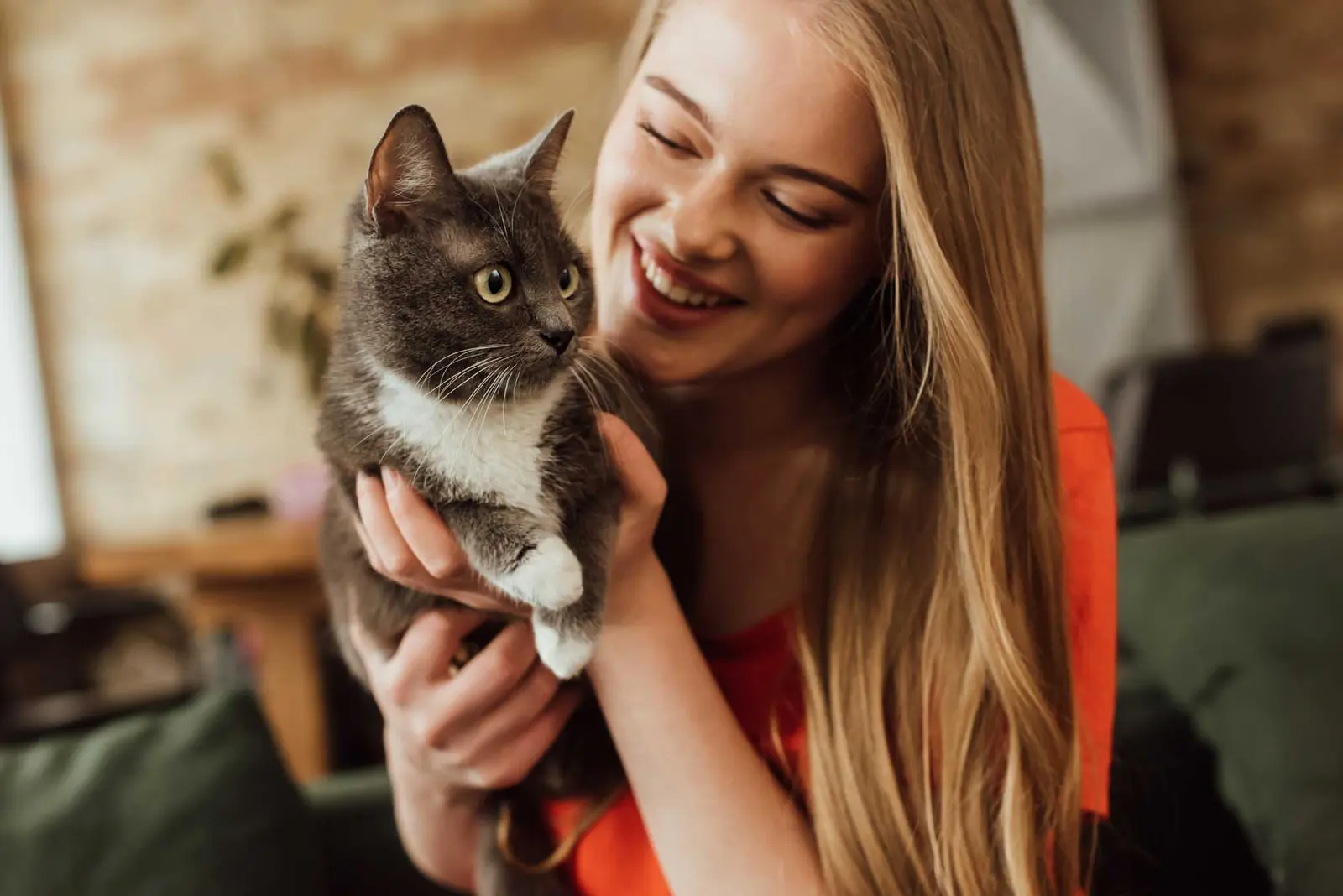
Cats Don’t Trust Easily — What You Can Do If Your Feline Has Earned Your Confidence
How Cats Signal Trust Through Body Language
A cat that trusts its owner is a rare and rewarding bond. While many people think cats are aloof, those who observe their behavior closely discover that cats can develop deep attachments to their human companions. Understanding these signals lets you respond to your pet’s needs and strengthen the sense of safety they feel around you.
Latest news
 Rescue Dog Shows Gratitude to Every Person Helping Her Heal
 Family Adopts Terminally Ill St. Bernard After Her Human Passes Away
 Neighbors Take Action After Town Ignores Abused Dog
 Retired Firefighter Reunited with Lost Dogs During Live Interview
Cats are naturally cautious and will only show affection when they feel secure. A cat that approaches you, rubs against you, or follows you around is a sign that it sees you as a protector. The more you can read these cues, the better you can meet your cat’s emotional and physical requirements.
What to Do When Your Cat Shows Signs of Trust
Cats use subtle body language to communicate. A slow blink, a relaxed posture, and a gentle purr are all indicators that a cat feels comfortable. When a cat leans into your lap or kneads your hand, it is often a sign of affection and trust. These behaviors are rare among cats that are wary of strangers.
Veterinary behaviorists note that a cat’s trust level can change quickly. A single negative experience—such as a loud noise or a sudden touch—can reset a cat’s confidence. Therefore, consistency in routine and gentle handling is crucial. Cats that are fed at the same time each day, given a quiet space to retreat, and allowed to explore at their own pace tend to display more trusting behaviors.
Can a Cat’s Trust Be Lost?
If your cat displays any of the trust signals above, you have earned its confidence. This is a good time to deepen the bond. Begin by offering treats, gentle petting, and quiet conversation. Cats appreciate being spoken to softly; a calm voice can reinforce the sense that you are a safe presence.
It is also beneficial to provide enrichment. Puzzle feeders, interactive toys, and vertical spaces encourage a cat’s natural curiosity while keeping it engaged. When a cat feels mentally stimulated, it is less likely to become anxious or defensive.
Frequently Asked Questions
Yes, a cat’s trust can be lost if it experiences repeated stress or neglect. A sudden change in the household—such as a new pet, a new baby, or a move—can trigger fear. In these cases, it is important to re-establish routines and give the cat time to adjust.
When a cat loses trust, it may withdraw, hide, or show defensive behaviors like hissing or swatting. Recognizing these early signs allows owners to intervene before the relationship deteriorates.