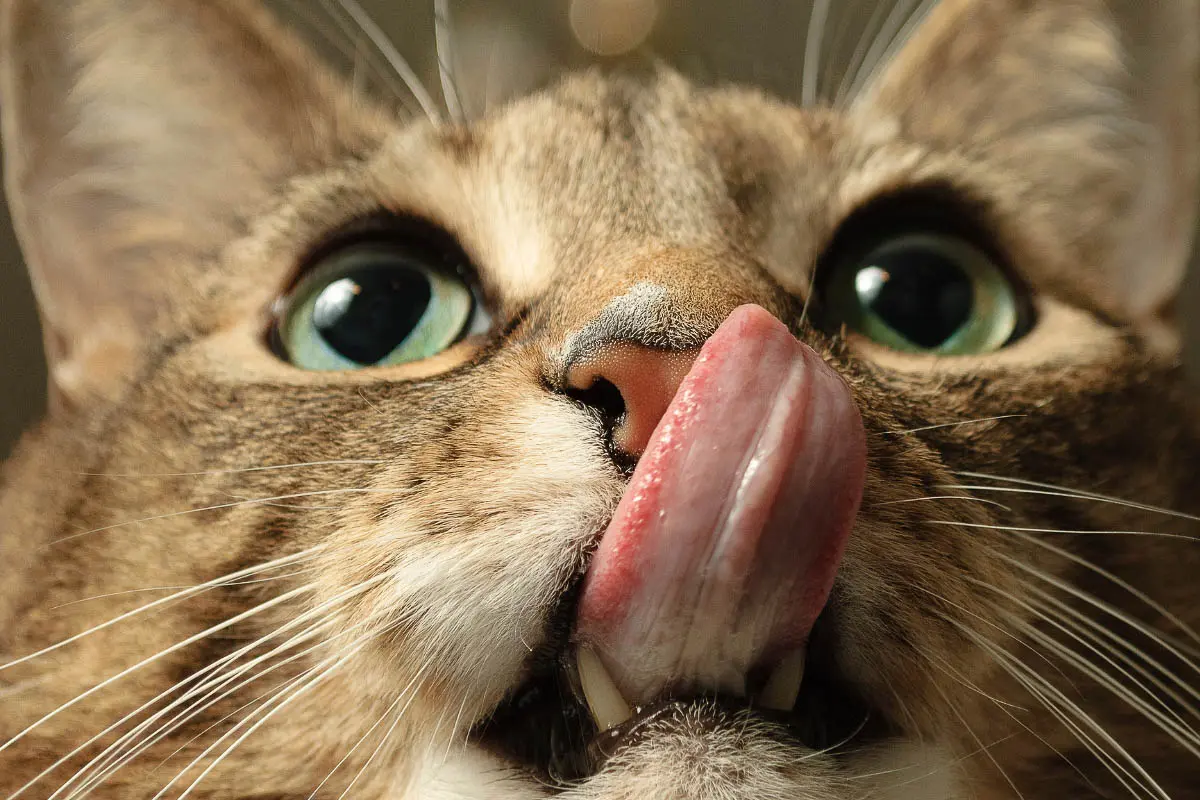
Cat Licks Explained: What Your Feline’s Grooming Means for You
The Social Science Behind Feline Grooming
A cat’s gentle lick can feel like a tender kiss, but it carries more than affection. Experts say felines use licking to communicate, bond, and even assess health. When a cat repeatedly licks a person, it often mirrors social grooming seen in wild colonies, signaling trust and inclusion in the cat’s „family.”
Latest news
 Walmart's Festive Cat Tree Features Reindeer Antlers and Gold Star Topper
 Healthy Pumpkin Treats for Dogs: 7 Top Picks
 Anthropologie’s Clear Acrylic Pet Gate Keeps Pets Out Without Ruining the Room
 5 Best Peanut Butter Dog Treats
Cats lick for several reasons. First, they transfer scent, marking the person with their unique odor to claim them as part of the group. Second, the act mimics mother‑kitten grooming, a behavior that soothes and reinforces social bonds. Third, a cat may be trying to clean a perceived „mess,” such as salty sweat or a lingering odor, using its rough tongue to remove it. Veterinarians note that excessive licking can also indicate stress, skin irritation, or a desire for attention, especially if the cat’s routine changes.
Researchers studying domestic cats observe that licking is a direct extension of the grooming rituals wild cats perform to maintain hierarchy and cohesion. „When a cat licks you, it’s essentially saying you belong to its tribe,” says Dr. Elena Morales, an animal behaviorist at the University of California. In multi‑cat households, dominant cats often lick subordinates to assert control, while subordinate cats lick leaders to show deference. This dynamic translates to human owners, who become the „alpha” or a trusted companion.
Why Do Cats Sometimes Lick You More Than Others?
The physical act also releases endorphins in both cat and human. The cat’s tongue, covered in tiny papillae, stimulates nerve endings, creating a calming feedback loop. Owners often report feeling relaxed after a brief lick, similar to the effect of a gentle massage. However, if a cat’s licking becomes compulsive—targeting a single spot for minutes at a time—it may signal anxiety, pain, or a medical issue such as allergies. In such cases, a veterinary check‑up is advisable.
Variations in licking frequency often reflect a cat’s perception of the individual’s scent, behavior, and emotional state. Cats are sensitive to human pheromones; a stressed or ill person may emit chemical cues that trigger a protective licking response. Conversely, a calm, consistent caregiver who provides regular feeding and playtime earns more frequent grooming sessions.
Some owners mistake licking for a demand for food, but studies show that cats are more likely to lick when they seek comfort or reassurance. „If you notice your cat licking your hands after you return home, it’s a greeting, not a request for a treat,” notes Dr. Morales. Understanding this nuance helps owners respond appropriately, reinforcing positive interactions without encouraging unwanted habits.
In the long run, recognizing the meaning behind a cat’s lick can deepen the human‑feline bond and improve overall wellbeing for both parties. Owners who respect the signals are more likely to enjoy a harmonious household, while those who ignore signs of stress may see increased behavioral issues.
Frequently Asked Questions
Do cats lick to clean us? Yes, cats often use licking to remove odors or residues they find unpleasant, similar to how they groom each other.
Is excessive licking a health concern? It can be. Persistent, focused licking may indicate anxiety, skin irritation, or an underlying medical condition that warrants a vet visit.
Can I encourage my cat to lick less? Redirecting the behavior with play or offering a chew toy can reduce unnecessary licking, but never punish the cat, as it may increase stress.
Content written by Amanda OBrien for galore-pets.com editorial team, AI-assisted.