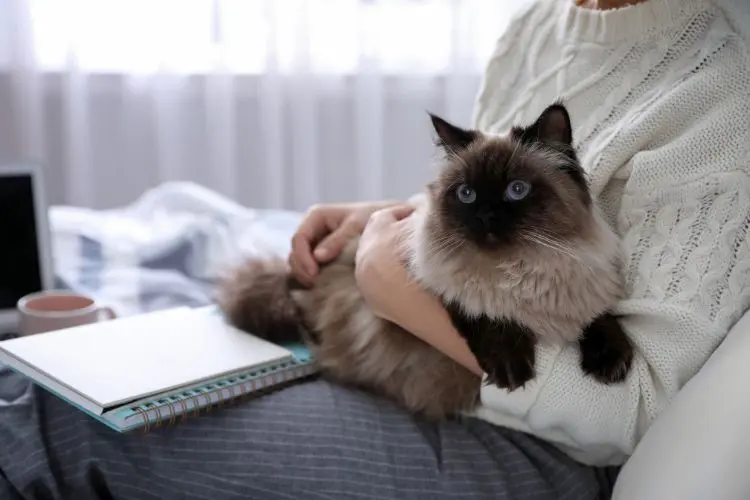
Cats Can Sense More Than You Think, Study Finds
How Cats Mirror Your Mood Shifts
A recent wave of pet‑behavior research confirms that domestic cats are far from the indifferent companions many assume them to be. Scientists observed dozens of cats in home settings, noting how the animals responded to subtle changes in owners’ emotions, routines, and even health cues. The findings suggest felines pick up on human signals with a precision that rivals some trained service animals.
Latest news
 Rescue Dog Shows Gratitude to Every Person Helping Her Heal
 Family Adopts Terminally Ill St. Bernard After Her Human Passes Away
 Neighbors Take Action After Town Ignores Abused Dog
 Retired Firefighter Reunited with Lost Dogs During Live Interview
Researchers tracked cats over several months, recording their reactions to owners’ mood swings, sleep patterns, and daily schedules. Cats often approached their humans when stress levels rose, altered their grooming habits to match the household’s activity rhythm, and even displayed different vocalizations when a person was ill. „Cats are constantly monitoring their environment,” said Dr. Lena Morales, a veterinary behaviorist at the University of Colorado. „Their whiskers, ears, and keen sense of smell give them a detailed picture of what’s happening around them, far beyond what we notice.”
The study revealed that cats can detect emotional changes within minutes. When owners exhibited signs of anxiety—such as rapid breathing or a tense posture—cats tended to sit closer, purr more loudly, or gently paw at their owners’ hands. In contrast, during periods of calm, felines often retreated to higher perches, indicating a preference for personal space when tension eases. Dr. Morales explained that a cat’s ability to read facial expressions and vocal tones allows it to respond appropriately, reinforcing the bond between pet and person.
Do Cats Predict Your Daily Routine?
Cats appeared to develop a mental calendar of their owners’ habits. Many participants reported that their cats would appear at the kitchen door precisely when breakfast was about to be prepared, or wait patiently by the bedroom door at the usual wake‑up hour. Some cats even adjusted their playtime to align with their owners’ work breaks, suggesting an internal synchronization with human schedules. „It’s not magic; it’s pattern recognition,” noted Dr. Morales. „Cats observe the cues—lights turning on, coffee brewing, footsteps—and learn to anticipate what comes next.”
The implications of these insights extend beyond cute anecdotes. Understanding a cat’s sensitivity could improve animal welfare, guide owners in managing stress, and even assist in early detection of health issues. For instance, a cat that suddenly becomes clingy may be signaling that its owner is experiencing heightened stress or illness, prompting timely medical attention.
Can a cat’s behavior indicate that I’m getting sick? Yes, cats often notice subtle changes in scent and temperature that accompany illness, and may become more attentive or unusually affectionate.
Frequently Asked Questions
Do all cats respond the same way to their owners’ emotions? Responses vary by personality and breed, but most cats show some level of emotional attunement, especially those with strong bonds to their humans.
How can I strengthen my cat’s ability to read my moods? Spending consistent, calm time together, using gentle voice tones, and maintaining predictable routines help reinforce mutual understanding.
Understanding that cats are keen observers can reshape how owners interact with their pets, fostering deeper connections and healthier households.