Black Cats: More Than Just a Superstition
The Science Behind the Shade
When a friend mentions a black cat, many people picture bad luck or witchcraft. In some cultures, black felines are seen as unlucky, while in others they are cherished. The debate over black cats goes beyond superstition, touching on breeding, genetics, and animal welfare.
Latest news
 Premium Memory Foam Beds Transform Canine Sleep Quality
 Walmart's Festive Cat Tree Features Reindeer Antlers and Gold Star Topper
 Healthy Pumpkin Treats for Dogs: 7 Top Picks
 Anthropologie’s Clear Acrylic Pet Gate Keeps Pets Out Without Ruining the Room
The truth is that many cat breeds produce solid black coats. From Persian to Bengal, a wide range of breeds can appear entirely black. The color is controlled by genes that reduce or eliminate pigment production. When these genes dominate, the cat’s fur, eyes, and sometimes even ears become black. As a result, black cats are not a rarity within the feline world.
Are Black Cats Truly Unlucky?
Geneticists explain that the black coat comes from a dominant allele that suppresses other colors. If a cat inherits two copies of this allele, the resulting coat is solid black. Breeders often select for this trait when they want a specific look or to meet market demand. In some cases, the black coat is a by‑product of breeding for other traits, such as size or temperament. The result is a diverse group of black cats that share a common genetic marker.
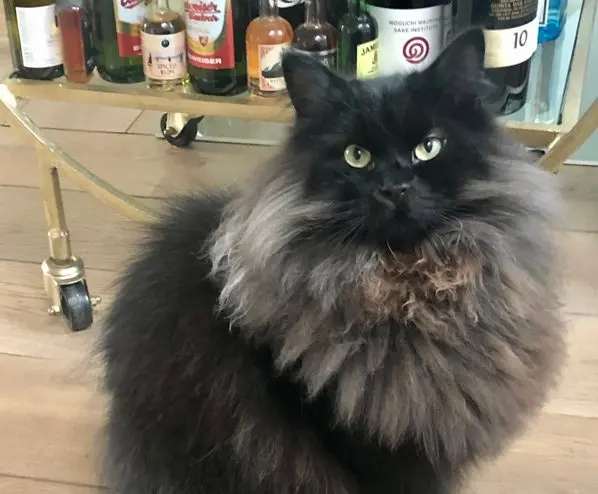
Experts also note that black cats can have a wide range of eye colors. Some may have green or amber eyes, while others have striking gold. The variation in eye color adds to the allure of black cats and shows that they are not a single, uniform group. This diversity is why black cats are popular in show rings and as pets.
The Impact on Shelters and Adoption Rates
Why do many people still associate black cats with bad luck? The answer lies in history. In medieval Europe, black cats were linked to witchcraft and were often feared. Those superstitions have persisted, especially in Western cultures. However, recent studies show that black cats are more likely to be adopted from shelters than their lighter‑coated counterparts. In the United States, shelters report that black cats receive fewer adoption applications. The stigma may stem from old myths more than from any factual basis. In contrast, black cats are prized in some countries, such as Japan, where they are believed to bring good fortune.
Frequently Asked Questions
Shelters face a challenge: black cats are often overlooked. Volunteers and staff try to highlight their unique qualities, but the myth persists. Some shelters have launched campaigns that showcase black cats’ personalities and health. These efforts have increased adoption rates in some regions. The hope is that more people will see beyond the color and appreciate the individual cat’s character.
In the long run, the goal is to change public perception. If more people adopt black cats, the myth of bad luck will weaken. The result could be a healthier, happier life for these felines and a more inclusive view of animal diversity.
Content written by Amanda OBrien for galore-pets.com editorial team, AI-assisted.