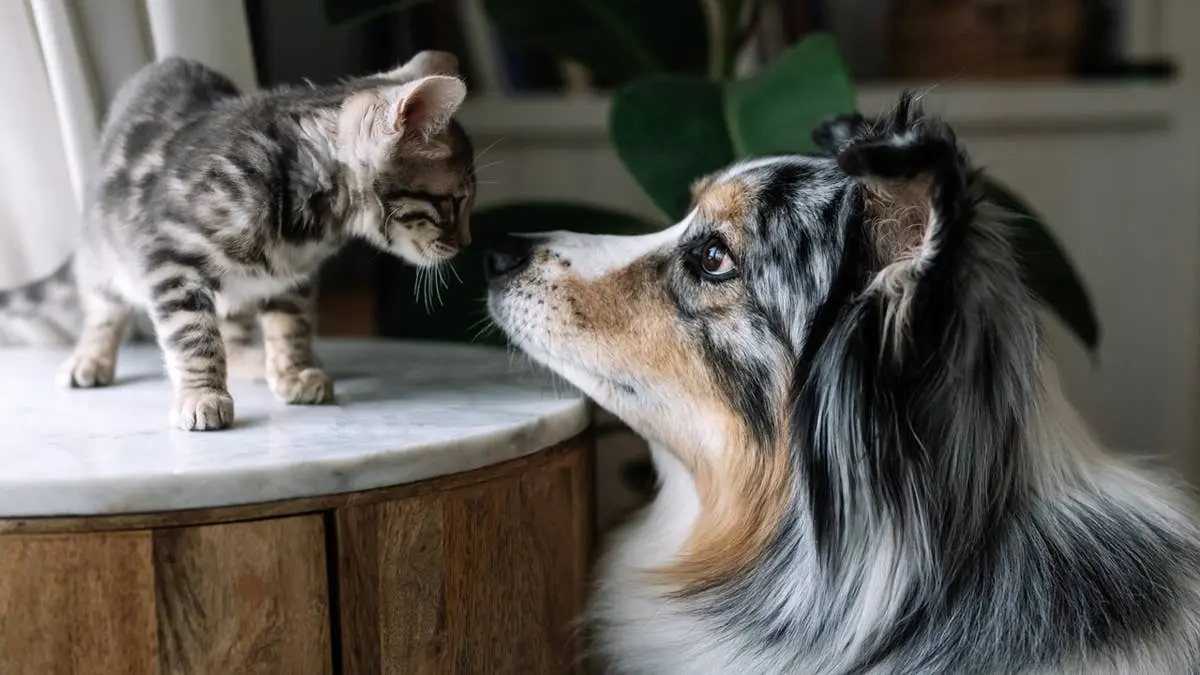
Veterinarians Explain Why Actions Speak Louder Than Words with Pets
How Body Language Builds Trust
Pet owners across the country are learning that verbal affection often falls short for dogs and cats. A growing body of veterinarians argues that consistent, physical gestures are far more effective at communicating love and building trust with our four‑legged companions.
Latest news
 Rescue Dog Shows Gratitude to Every Person Helping Her Heal
 Family Adopts Terminally Ill St. Bernard After Her Human Passes Away
 Neighbors Take Action After Town Ignores Abused Dog
 Retired Firefighter Reunited with Lost Dogs During Live Interview
While many pet parents try to express affection through spoken words, studies show that animals primarily rely on body language and routine to gauge safety and bonding. Veterinarians point to the way a gentle hand stroke, a calm voice, and predictable routines can reinforce positive behavior and reduce anxiety.
In clinical settings, vets observe that pets respond better to slow, deliberate movements rather than sudden gestures. A soft touch on the shoulder, a slow blink, or a rhythmic pat can signal calmness. „Animals are tuned to the rhythm of a caregiver’s actions,” says Dr.
Why Verbal Praise Often Misses the Mark
Maya Patel, a veterinary behaviorist. „When we move with intention, we provide a predictable environment that reduces stress.”
Research from the University of Wisconsin indicates that dogs who receive regular, gentle handling show lower cortisol levels and increased oxytocin, the hormone linked to bonding. The same principle applies to cats, who often communicate through subtle cues like ear position and tail flicks. „Cats may not vocalize love, but they do respond to consistent affection,” notes Dr. Patel. „A steady hand can translate into trust.”
Many pet owners use phrases like „I love you” or „Good job,” hoping to reinforce positive behavior. However, animals rarely associate these words with specific actions. „They hear the tone, not the content,” explains Dr.
Practical Tips for Pet Parents
Patel. „A friendly voice paired with a treat is a powerful message, but the words themselves carry little meaning.”
Veterinarians suggest pairing verbal praise with a tangible reward or physical gesture. „When you say ‘good dog’ while giving a treat, the pet links the sound to the positive experience,” says Dr. Patel. „This consistency is key to effective communication.”
Frequently Asked Questions
1. Keep your tone calm and steady. 2. Use gentle, slow movements. 3. Pair words with a reward or touch. 4. Maintain a predictable routine. 5.
Observe your pet’s reactions and adjust accordingly.
These simple steps can help strengthen the bond between owner and pet, reducing behavioral issues and enhancing overall well‑being.