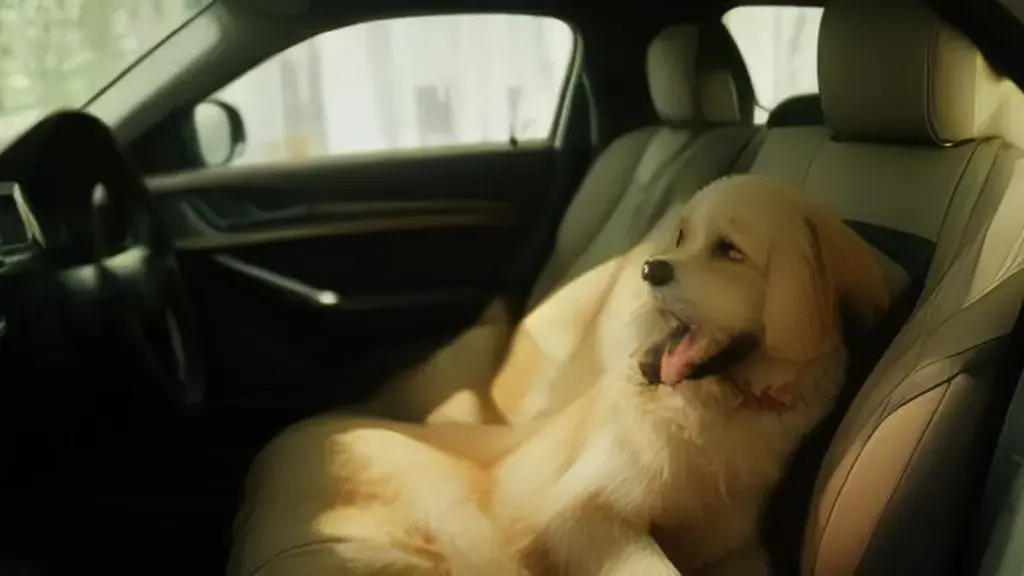
Why Your Dog Might Be Lying in the Car: A Guide to Vehicle Safety
Understanding the Canine Fascination with Vehicles
Dogs are creatures of habit and comfort, often developing strong associations with familiar routines. For many pets, the car represents a reliable source of adventure and security. This bond explains why some dogs eagerly wait by the door for keys or settle into their designated spot in the back seat.
Latest news
 Man Saves Puppies from Well, Then Cleans Up the Mess
 A Grieving Pit Bull Finds New Purpose After Adopting An Orphaned Puppy
 Joyful Reunion Brings Tears to a Young Girl After Two Months Apart
 A Devoted Pet Owner Finds Hope After Tragedy Strikes in Florida
However, this enthusiasm can sometimes mask underlying anxiety or physical discomfort. Owners should observe their pet's behavior closely before and after trips. If a dog refuses to ride or seems distressed, it may indicate motion sickness or fear. Consulting a veterinarian can help rule out medical causes for these changes in behavior.
Keeping your pet safe during transit requires more than just a comfortable crate. Proper restraint prevents injuries in case of sudden stops or accidents.
The Critical Importance of Secure Restraint Systems
Harnesses designed for vehicles distribute force across the chest and abdomen, protecting vital organs better than seatbelts alone.
For smaller breeds, a well-fitted crate secured with a seatbelt is often the safest option. Ensure the crate is large enough for your dog to stand and turn around comfortably. Regular practice with the restraint system helps normalize the experience, reducing stress for both you and your furry companion.
Navigating Unexpected Incidents on the Road
Accidents happen even to the most cautious drivers, and pets are often caught in the crossfire. When a vehicle is damaged, the logistical process of repairs can be overwhelming for busy pet owners. In such moments, having a support system that handles the administrative burden is invaluable.
Modern service centers offer comprehensive solutions that streamline the repair journey. For instance, specialized facilities now provide services like tractare gratuită accident to ensure vehicles reach the workshop safely.
This convenience allows owners to focus on their pet's recovery rather than the mechanics of the claim process.
Caring for Your Pet After a Collision
If your dog is involved in a minor fender bender, remain calm to reassure them. Check for visible injuries, but avoid moving them unless there is immediate danger. A gentle examination for bruising or limping is helpful, but always consult a professional for a thorough check-up.
Some pets hide pain surprisingly well, so monitor their appetite and energy levels over the next few days. Provide extra comfort with soft bedding and quiet spaces. Your presence and gentle reassurance can significantly speed up their emotional and physical recovery from the shock of the event.
Preparing for Future Rides Together
Preparation is key to stress-free travel. Keep essentials like water bowls, waste bags, and favorite toys within easy reach.
Familiarize your dog with the car environment by taking short, positive drives to nearby locations without any pressure.
By combining proper equipment with consistent routine, you create a safe sanctuary on wheels. Whether you are heading to a veterinary appointment or a weekend getaway, these steps ensure your pet travels happily. A well-prepared journey fosters trust and makes every trip a shared adventure for you and your loyal companion.
Content written by Claire Dubois for galore-pets.com editorial team, AI-assisted.