
Understanding Thymoma: A Rare Chest Tumor in Dogs
Identifying Clinical Warning Signs
Thymoma is an uncommon type of tumor that originates within the thymus gland. This small organ sits in the chest and plays a vital role in immune system development. While the condition is rare in canines, it primarily affects older dogs. Early diagnosis remains the most effective way to manage this serious health challenge.
Latest news
 Rescue Dog Shows Gratitude to Every Person Helping Her Heal
 Family Adopts Terminally Ill St. Bernard After Her Human Passes Away
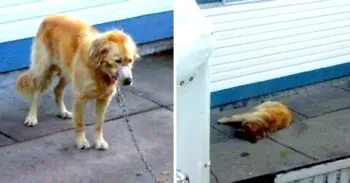 Neighbors Take Action After Town Ignores Abused Dog
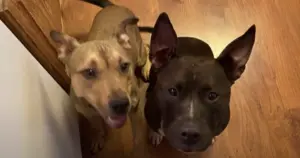 Retired Firefighter Reunited with Lost Dogs During Live Interview
The thymus gland is most active during a dog's puppyhood. As the animal matures, the gland typically shrinks. However, abnormal cell growth can occur, leading to the formation of a mass. These tumors are often located near the heart and lungs. Because of their position, they can press against vital structures, causing breathing difficulties or persistent coughing. Veterinarians often discover these growths during routine imaging for unrelated respiratory issues.
What Treatment Options Are Available?
Owners should monitor their pets for subtle changes in behavior or physical health. Common symptoms include increased lethargy, exercise intolerance, and difficulty swallowing. Some dogs may also exhibit swelling in the face or front limbs due to restricted blood flow. If a pet experiences unexplained weight loss or a sudden change in appetite, a veterinary consultation is necessary. Diagnostic tools like chest X-rays or ultrasounds are essential to confirm the presence of a mass.
Treatment strategies depend heavily on the size of the tumor and the dog's overall health. Surgical removal is often the primary recommendation if the mass is localized and accessible. In cases where surgery is not viable, radiation therapy may help shrink the tumor and alleviate pressure. Some dogs also require supportive care to manage immune-mediated complications associated with the growth. Veterinary oncologists work closely with owners to create a personalized plan.
The long-term outlook varies depending on how early the tumor is detected. Many dogs respond well to intervention and can maintain a good quality of life following treatment. Regular check-ups are vital to monitor for potential recurrence. Early detection remains the strongest factor in achieving a positive outcome for your pet.
Frequently Asked Questions
Is thymoma always cancerous? While thymomas are tumors, they are often classified as slow-growing. Some may be benign, while others can be invasive or malignant.
Can this condition be prevented? Currently, there are no known preventative measures for thymoma in dogs. Routine wellness exams are the best way to catch the condition in its early stages.