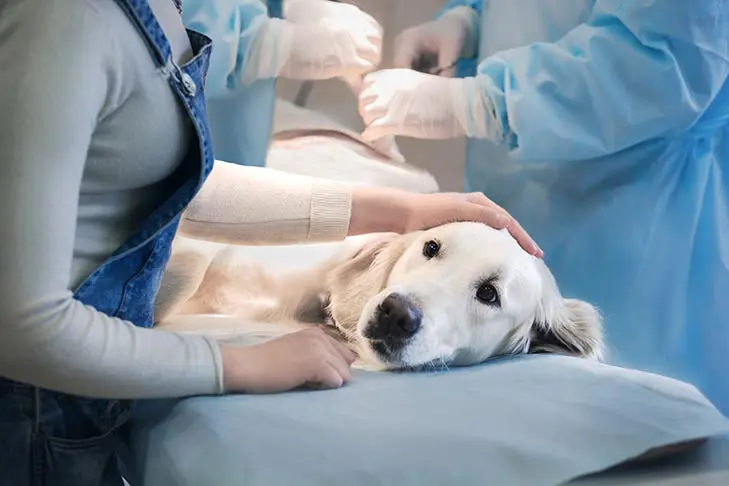
Understanding Dog Blood Types and Why They Matter for Transfusions
Why DEA 1 Status Is Critical in Emergency Care
Many pet owners are familiar with their own blood type but may not realize dogs have their own complex system. Canine blood types differ significantly from humans, with at least eight major groups identified under the dog erythrocyte antigen (DEA) system, ranging from DEA 1 to DEA 8. This complexity becomes critical during veterinary procedures requiring blood transfusions, where matching donor and recipient blood types can prevent life-threatening reactions.
Latest news
 Man Saves Puppies from Well, Then Cleans Up the Mess
 A Grieving Pit Bull Finds New Purpose After Adopting An Orphaned Puppy
 Joyful Reunion Brings Tears to a Young Girl After Two Months Apart
 A Devoted Pet Owner Finds Hope After Tragedy Strikes in Florida
Unlike the ABO system in humans, dogs do not naturally possess antibodies against most DEA types unless previously exposed through transfusion or pregnancy. This means a first transfusion might be tolerated even with a mismatch, but subsequent transfusions carry a high risk of severe immune reactions if the blood types are not compatible. DEA 1 is considered the most clinically significant, as negative reactions to DEA 1-positive blood in DEA 1-negative dogs can be acute and dangerous. Veterinarians often screen for DEA 1 status before transfusions to minimize risks, especially in dogs needing repeated treatments.
How Often Should Dogs Be Blood Typed Before Procedures?
In emergency situations, such as trauma or surgery-induced anemia, quick access to compatible blood can save a dog’s life. Blood banks for pets now operate in many regions, storing typed canine blood to ensure rapid matching. DEA 1-negative dogs are considered universal recipients for first-time transfusions, while DEA 1-positive dogs can only safely receive DEA 1-positive blood. Breeds like Greyhounds are more likely to be DEA 1-negative, making them valuable donors, whereas breeds such as Boxers and German Shepherds often test positive for DEA 1. Knowing a dog’s blood type ahead of time allows clinics to prepare better, particularly for breeds predisposed to conditions like hemolytic anemia or cancer that may require transfusion support.
Veterinary experts recommend blood typing dogs before any scheduled surgery or if they have a history of immune-mediated disease. While not every clinic performs routine typing, it is becoming standard practice in referral hospitals and specialty centers. For dogs undergoing chemotherapy or suffering from chronic kidney disease, repeated transfusions may be necessary, making prior knowledge of blood type essential to avoid sensitization. Some breeders also test puppies early, especially in lines used for breeding or working roles, to anticipate future medical needs.
Can a dog receive human blood in an emergency? No, human blood is not compatible with canine physiology and would trigger a dangerous immune reaction, even in small amounts.
Frequently Asked Questions
Is there a universal donor blood type for dogs? There is no true universal donor, but DEA 1-negative blood is the safest option for first-time transfusions in dogs of unknown type.
Do all veterinary clinics offer blood typing for dogs? Not all general practices perform in-house typing, but many can send samples to external laboratories or use rapid test kits available for DEA 1 screening.
Content written by Caroline Coile, PhD for galore-pets.com editorial team, AI-assisted.