Trap‑Neuter‑Return: A Key Strategy to Tackle the U.S. Feral Cat Crisis
Understanding the Scale of the Problem
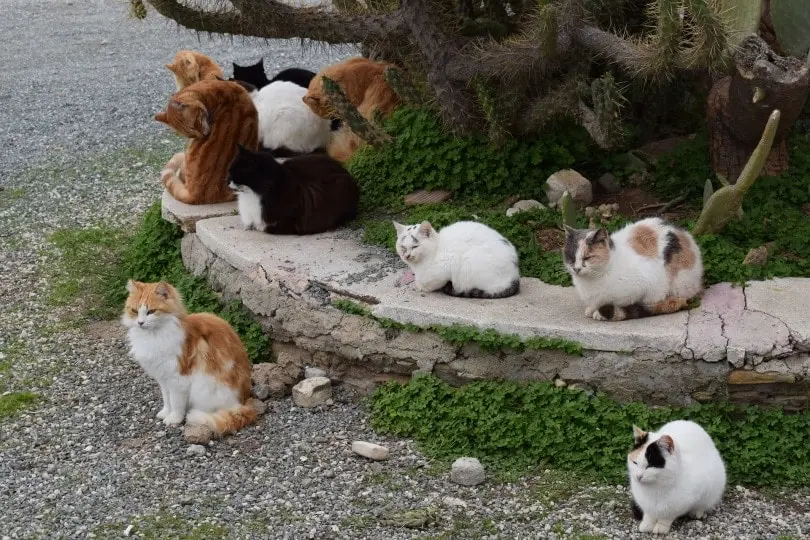
The feral cat population in the U. S. is estimated at up to 100 million. Each year, about 3.3 million cats enter shelters, reflecting immense pressure on rescue systems. Unneutered females can have one or two litters annually, while uncastrated males can sire many kittens over their lifetimes. Sterilization is therefore essential to halt uncontrolled breeding. Historically, the standard response was euthanasia, deemed cruel and ineffective. Studies show that after removal, new cats quickly occupy the vacant space, perpetuating the cycle. In contrast, sterilization gradually reduces populations, lessening conflicts, roaming, and disease spread.
Latest news
 Rescue Dog Shows Gratitude to Every Person Helping Her Heal
 Family Adopts Terminally Ill St. Bernard After Her Human Passes Away
 Neighbors Take Action After Town Ignores Abused Dog
 Retired Firefighter Reunited with Lost Dogs During Live Interview
The TNR Process Explained
TNR involves humane capture, veterinary examination, vaccination, and surgical sterilization. A small ear notch marks a treated cat. Unlike traditional adoption, truly feral cats are returned to their environment because they rarely adapt to indoor life. Initiatives should start by contacting a local shelter or specialized organization. Experienced volunteers manage the entire process and know local capture and release regulations. Independent efforts require proper humane traps, legal sites with real animal concentrations, and compliance with animal‑control authorities.
Practical Considerations for Trapping
Traps are baited with wet cat food and inspected every 12 hours. Other species, such as raccoons, may be caught accidentally and require different release rules. Cats must be transported inside the trap, and veterinary care must be arranged beforehand, as not all clinics accept feral patients. Pro‑TNR arguments focus on preventing new kittens, shrinking colony size, and freeing resources for social cats and other species. The method offers a viable alternative to simply excluding animals from an area, a difficult task with large outdoor populations.
Debating Effectiveness and Ethics
Skeptics question TNR’s consistent impact, noting that new cats can join established colonies, and monitoring is notoriously difficult. Statistics reveal a stark gap: only about 2 % of feral cats are neutered, compared with roughly 85 % of household cats. This disparity highlights how much of the population remains outside traditional veterinary care. Animal‑rights groups, including PETA, argue that returning cats to the wild equates to abandonment. However, in well‑established colonies, few individuals can adapt to indoor life, keeping adoption as a viable option for those who can.
Public Health Implications
Maintaining vaccination and prevention programs in an unowned population presents logistical challenges. A relevant study found that 92 % of captured feral cats carried fleas, underscoring the risks of coexistence with these animals without continuous human care.