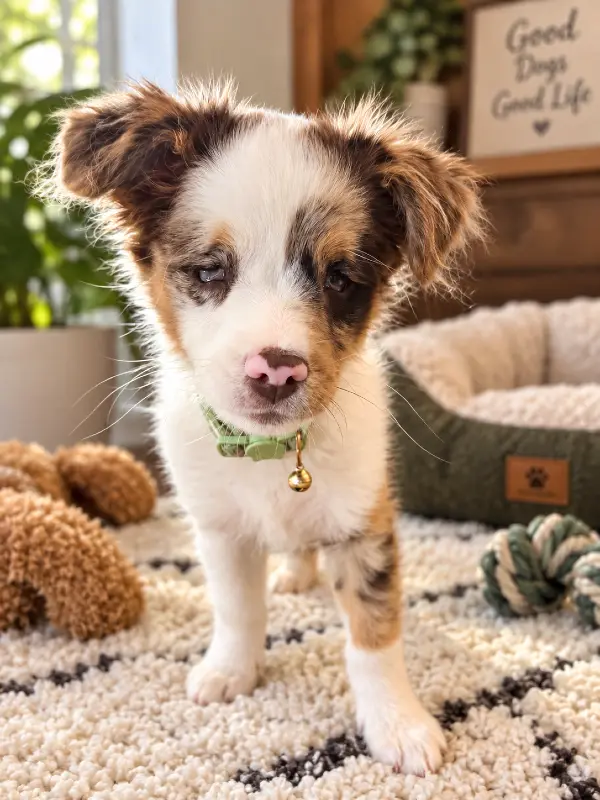
Tiny Deaf-Blind Puppy Lucy Seeks Forever Home With Special Needs Family
How Lucy Communicates Without Sight or Hearing
Twelve-week-old Lucy, a Mini Australian Shepherd mix, is navigating the world without hearing or sight as she searches for a devoted family to provide her safety and love. This fragile yet remarkable puppy, weighing barely five pounds, has already demonstrated extraordinary resilience in her foster care.
Latest news
 Rescue Dog Shows Gratitude to Every Person Helping Her Heal
 Family Adopts Terminally Ill St. Bernard After Her Human Passes Away
 Neighbors Take Action After Town Ignores Abused Dog
 Retired Firefighter Reunited with Lost Dogs During Live Interview
Lucy's unique condition requires specialized attention and understanding from potential adopters. Her foster advocate emphasizes that she needs a home where she can thrive with consistent care and protection from harm. The tiny dog has already shown remarkable adaptability despite her significant sensory limitations.
Lucy relies entirely on tactile communication and scent recognition to navigate her environment. Her foster family has developed innovative methods to connect with her, using gentle touch and familiar scents to build trust. These techniques have enabled Lucy to learn basic commands and recognize her caregivers' presence even without traditional sensory input.
The puppy's ability to compensate for her disabilities astounds those who work with her daily. She has learned to position herself correctly for meals, responds to vibration cues, and shows clear signs of comfort around familiar people. Her intelligence shines through in how quickly she adapts to new routines designed specifically for her needs.
What Makes Lucy Different From Other Puppies?
Can Lucy's deaf-blind condition be cured?
No, Lucy's sensory impairments are permanent neurological conditions that cannot be corrected through medical intervention or surgery.
Lucy's future depends entirely on finding a family equipped to maintain her safety while providing enrichment opportunities appropriate for her abilities. Her adopters will need to commit to ongoing veterinary care, specialized training, and environmental modifications that prevent injury while maximizing her quality of life.
Creating Safe Spaces for Special Needs Animals
The shelter network supporting Lucy hopes her story inspires other families to consider adoption of special needs pets. These animals often form deeply loyal bonds with their human companions precisely because they depend entirely on the love and consistency provided by their families.
What daily care does Lucy require?
Lucy needs constant supervision to prevent injury, specialized training using tactile cues, and a home environment modified with baby gates and secure spaces. Her caregivers must maintain consistent routines and use vibration or scent-based communication methods.
Frequently Asked Questions
How can families prepare for a deaf-blind puppy?
Prospective adopters should research tactile training techniques, install safety modifications like corner guards and secure outlets, and connect with support groups for families caring for special needs dogs. Professional training guidance proves essential for long-term success.
Will Lucy need lifelong special care?
Yes, Lucy requires ongoing specialized care throughout her life, including regular veterinary checkups, environmental safety assessments, and continued tactile-based training to ensure her continued development and well-being.