
Thirteen Large Cat Breeds That Surprise You With Their Gentle Natures
Why Size Does Not Dictate Temperament
Large domestic cats often project an image of strength and independence. Their broad paws, muscular frames, and thick coats suggest a serious demeanor. However, many of these massive felines possess surprisingly sweet personalities. They are known for being gentle, sociable, and deeply affectionate with their owners. This contrast between appearance and behavior makes them unique companions.
Latest news
 Rescue Dog Shows Gratitude to Every Person Helping Her Heal
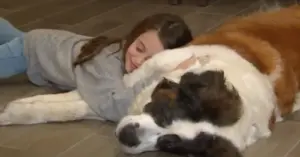 Family Adopts Terminally Ill St. Bernard After Her Human Passes Away
 Neighbors Take Action After Town Ignores Abused Dog
 Retired Firefighter Reunited with Lost Dogs During Live Interview
These big cats challenge common stereotypes about size and temperament. While their physical presence is imposing, their emotional nature is often soft. Owners report that these breeds frequently follow familiar people around the house. They enjoy relaxing in close proximity to their humans. This behavior defies the expectation that larger cats are aloof or distant. Instead, they seek out interaction and comfort.
The perception that big cats are tough is largely a visual trick. A Maine Coon or a Ragdoll may look intimidating due to their sheer volume. Yet, their internal disposition is often calm and friendly. Breeders have selected for specific traits over generations. These traits include high sociability and a desire for human contact. The result is a cat that feels like a puppy in a cat’s body.
Do Big Cats Require More Space?
Owners describe these animals as eager participants in household activities. They do not hide in corners but rather engage with family members. Their thick fur provides warmth, encouraging cuddling sessions. The weight of a large cat on your lap can be comforting rather than burdensome. This physical closeness strengthens the bond between pet and owner. It creates a dynamic where the cat feels secure and loved.
A common concern is whether a large cat needs a larger home. In reality, space requirements depend more on activity level than body mass. Most big cat breeds are moderate in energy. They prefer consistent routines and quiet environments. A spacious living area helps, but it is not strictly mandatory. What matters most is vertical space. Shelves and cat trees allow them to stretch and observe their surroundings.
Providing sturdy furniture is essential for these heavy animals. Standard cat trees may not support their weight safely. Investing in robust climbing structures prevents injury and stress. Additionally, feeding bowls should be wide enough to accommodate their heads. This small adjustment improves their daily comfort significantly.
Frequently Asked Questions
The outlook for these breeds remains positive as popularity grows. People are increasingly seeking pets that offer both presence and affection. The demand for large, friendly cats continues to rise. Prospective owners should research specific breed needs before adopting. Understanding the unique quirks of each breed ensures a happy match. With proper care, these giants become lifelong companions. They prove that heart size matters more than body size.
Are big cats suitable for apartments? Yes, many large breeds adapt well to apartment living. They need vertical space and regular playtime to stay healthy. Ensuring they have enough room to stretch is key.
Do these cats shed a lot? Most large breeds have thick coats that require regular grooming. Daily brushing helps prevent matting and reduces hair around the house. Consistent maintenance keeps their fur healthy.