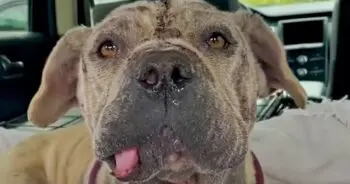
The Unwanted Dog Who Still Deserves a Home
The Cost of „Unattractiveness” in Animal Adoption
A small shelter in rural Ohio has recently released a dog named Mr. Magoo, a creature that has faced repeated rejections due to his unconventional looks. Despite the decision to release him, the animal still needs a caring family to adopt. The story highlights the challenges shelters face when balancing limited resources with the desire to give every animal a chance.
Latest news
 Rescue Dog Shows Gratitude to Every Person Helping Her Heal
 Family Adopts Terminally Ill St. Bernard After Her Human Passes Away
 Neighbors Take Action After Town Ignores Abused Dog
 Retired Firefighter Reunited with Lost Dogs During Live Interview
Mr. Magoo, a mixed‑breed with a crooked snout and patchy fur, has been in the shelter’s care for over two years. During that time, volunteers and staff have tried to find him a home, but the dog’s appearance has turned away many potential adopters. The shelter’s director explained that the animal’s „unusual” features created a negative first impression, leading to a lack of interest. As a result, the shelter decided to release Mr. Magoo to the community, hoping someone would still give him a chance.
Can Community Outreach Reverse the Trend?
Shelters across the country report that a significant portion of their intake consists of animals that are considered unattractive by mainstream standards. In Ohio, the state’s animal welfare agency noted that nearly 30 percent of animals in shelters are rejected by potential adopters because of appearance. This statistic underscores a broader issue: many dogs that could thrive in homes are overlooked simply because they do not fit conventional beauty standards. The result is a higher number of animals that remain in shelters longer, leading to overcrowding and increased operating costs.
The release of Mr. Magoo is a rare but telling example of how shelters sometimes feel forced to let go of animals that cannot attract adopters. Shelter staff, while sympathetic, must consider the welfare of all animals in their care. When an animal’s chances of adoption are slim, staff may seek alternative solutions, such as rehoming through foster networks or, in extreme cases, releasing the animal to the public.
What can be done to change the perception of „unattractive” dogs? Many shelters are turning to community outreach and education programs. One program in Cincinnati encourages volunteers to host „dog fairs” where animals are presented in a supportive environment. By showcasing the personality and temperament of each dog, potential adopters may focus on character rather than looks. Additionally, some shelters partner with local influencers to promote „beauty‑in‑difference” campaigns, which have seen a modest increase in adoption rates for dogs with unique appearances.
Frequently Asked Questions
In Mr. Magoo’s case, a local volunteer has offered to take him in temporarily, hoping to find a permanent home. The volunteer described the dog as „friendly and affectionate,” noting that his demeanor often surprises people when they meet him. This personal testimony is crucial because many adopters rely on firsthand experiences rather than online listings.
The outcome for Mr. Magoo remains uncertain. While he has been released, he still requires a responsible owner who can provide a safe and loving environment. The shelter’s director emphasized that the release was not a dismissal but a call for community involvement. If a family can be found, Mr. Magoo could still enjoy a second chance at a happy life.