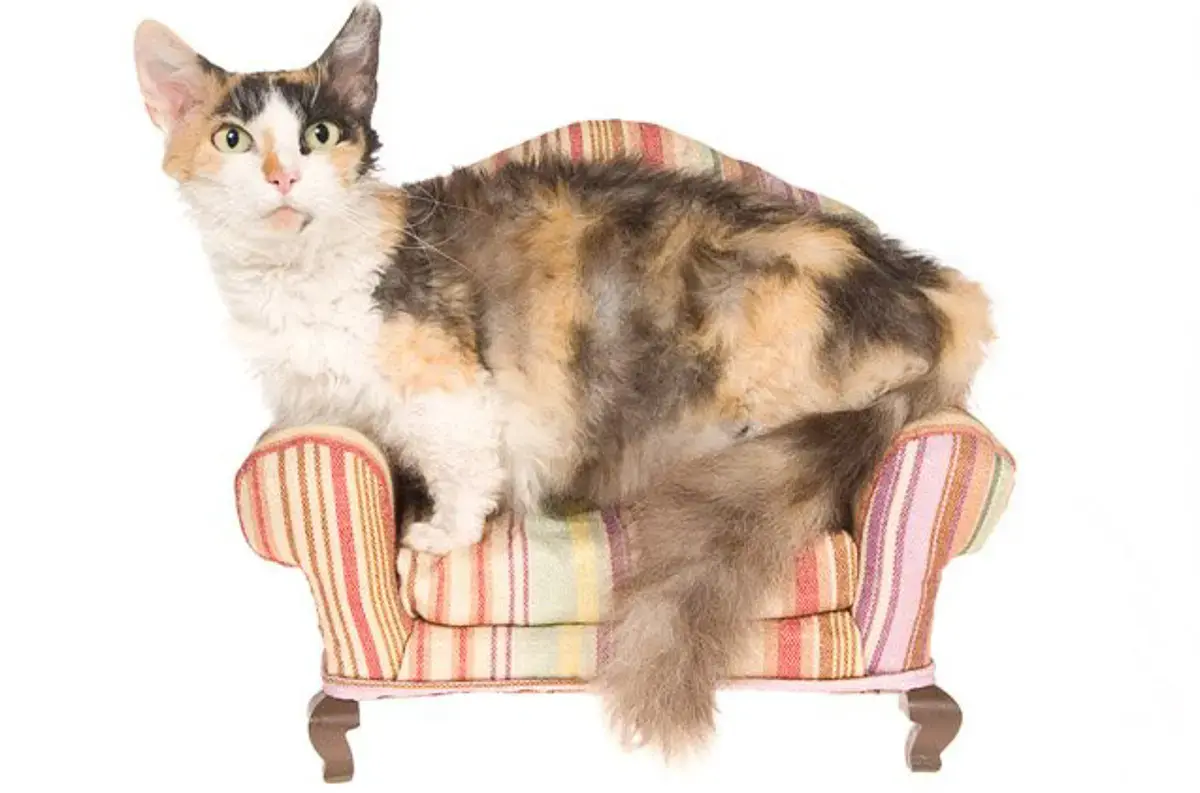
The Short‑Legged, Curly‑Coated Cat That Turns Heads
Why the Short Front Legs? A Genetic Twist
A distinctive cat breed, known for its curly fur and short front legs, has captured the hearts of pet lovers worldwide. First bred in the 1970s, the cat’s unique appearance has made it a favorite in homes and on social media.
Latest news
 Rescue Dog Shows Gratitude to Every Person Helping Her Heal
 Family Adopts Terminally Ill St. Bernard After Her Human Passes Away
 Neighbors Take Action After Town Ignores Abused Dog
 Retired Firefighter Reunited with Lost Dogs During Live Interview
The breed’s name is sometimes compared to a famous child star, hinting at its playful and charming nature. Owners praise its affectionate personality and its ability to adapt to various living spaces. The short legs do not hinder its agility; the cats move with surprising grace and speed.
The breed’s front legs are noticeably shorter than the hind legs. This trait results from a specific gene that slows bone growth in the forelimbs. Scientists discovered the gene in the early 2000s during a study of feline skeletal patterns.
The gene does not affect overall health. In fact, many owners report that the cats remain active and healthy. Veterinary experts note that regular check‑ups are essential, but no special care is required beyond a balanced diet and routine grooming.
Can These Cats Live with Their Unique Body?
Curly coats add to the breed’s charm. The fur is dense and springy, often requiring gentle brushing. Some cats display a slightly wavy texture that gives them a „teddy bear” look. The breed’s whiskers and eyebrows are more pronounced, adding to its expressive face.
Yes, the breed thrives in typical household environments. The short front legs do not limit play or climbing. Owners often use small ramps or stairs to help the cats reach high spots. The cats enjoy interactive toys and puzzle feeders.
Health concerns are minimal. The gene responsible for short legs does not lead to arthritis or joint problems. However, some cats may develop mild hip dysplasia, so early detection is key. Regular veterinary visits can catch potential issues.
The breed’s popularity has grown worldwide. Pet shops and breeders offer a variety of coat colors, from tabby to solid black. Many owners share photos of their cats’ distinctive gait, which has become a viral sensation on pet‑focused platforms.
Frequently Asked Questions
The breed’s future looks bright. Breeders continue to refine the gene to maintain the unique look while ensuring health. New research explores the gene’s impact on other feline breeds, potentially expanding the range of short‑legged cats.
What is the best way to groom a curly‑coated cat? Use a soft brush daily to prevent mats. Trim nails regularly and clean ears to avoid infections.
Do short front legs cause mobility issues? Generally, no. The cats adapt well, but owners should monitor for signs of strain during play.
Can I adopt this breed from a shelter? Yes, many shelters have these cats. Adopt from reputable shelters to ensure proper care history.