Terrified Shelter Dog Faces Uncertain Future After Rescue
The Struggle Behind the Collar
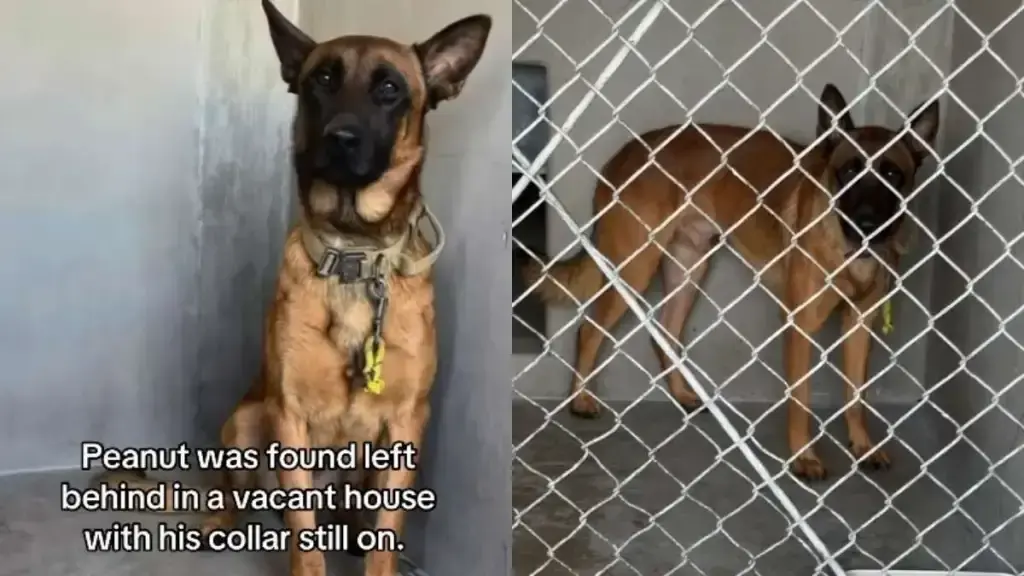
A video posted online shows a trembling dog named Peanut, discovered inside an abandoned house with his collar still on. Animal control officers rescued him last month and delivered him to a regional animal shelter, where staff quickly labeled him as „behaviorally challenged.” The clip has sparked concern over his fate and the broader plight of frightened shelter animals.
Latest news
 Rescue Dog Shows Gratitude to Every Person Helping Her Heal
 Family Adopts Terminally Ill St. Bernard After Her Human Passes Away
 Neighbors Take Action After Town Ignores Abused Dog
 Retired Firefighter Reunited with Lost Dogs During Live Interview
Peanut’s distress was evident as he cowered behind a crate, ears pinned and eyes wide. Shelter workers noted that his fear likely stemmed from prolonged isolation and possible mistreatment before being found. Because of his anxiety, staff placed him in a separate kennel and began a behavioral assessment. The shelter’s intake protocol requires rapid evaluation, and dogs deemed high‑risk often face limited adoption opportunities. Volunteers and veterinarians attempted to calm Peanut with treats and gentle handling, but his nervousness persisted.
Shelter staff explained that a dog’s initial temperament heavily influences its chances of adoption. „When a dog arrives terrified, it takes time and resources to rebuild trust,” said a senior caretaker who asked to remain anonymous. The shelter’s limited budget forces quick decisions, and many frightened dogs are earmarked for euthanasia if they do not improve within a short window. Peanut’s collar, still attached to his neck, provided a rare clue about his prior owner, but no identification tags were found. Without a known history, the shelter relied on behavioral testing to determine his future.
Can Fearful Dogs Find a Second Chance?
Data from the shelter indicates that roughly 30 % of incoming dogs exhibit severe fear responses. Of those, only half find permanent homes after intensive rehabilitation. The process involves daily socialization sessions, exposure to calm environments, and, when possible, one‑on‑one interaction with experienced adopters. Volunteers often report that patient, consistent care can transform a scared dog into a loyal companion, but success is not guaranteed.
Experts argue that fear is not an irreversible condition. „With proper support, many dogs learn to trust humans again,” noted a local animal behaviorist. Adoption agencies are beginning to pair anxious dogs with families trained to handle nervous pets. However, the demand for such specialized homes exceeds supply, leaving many dogs like Peanut in a precarious position. Advocacy groups urge the public to consider fostering as a bridge to permanent adoption, giving dogs a stable environment to recover.
The outlook for Peanut remains uncertain. Shelter officials hope that increased public awareness will generate more volunteers willing to work with him. If he fails to show measurable progress, the shelter may face the difficult decision of euthanasia, a fate that many fear for dogs labeled „behavioral.” Community support and patience could tip the balance toward a hopeful outcome.
Frequently Asked Questions
What does „behavioral” mean in shelter terminology? It denotes dogs that display significant fear, aggression, or anxiety, requiring extra training before they can be safely adopted.
How long does a shelter typically keep a fearful dog before deciding on euthanasia? Time frames vary, but most facilities aim to assess and rehabilitate within 30 days, after which space constraints may force a decision.
Can volunteers help improve a scared dog’s chances of adoption? Yes, volunteers who provide calm interaction, regular exercise, and positive reinforcement can accelerate a dog’s recovery and increase adoptability.