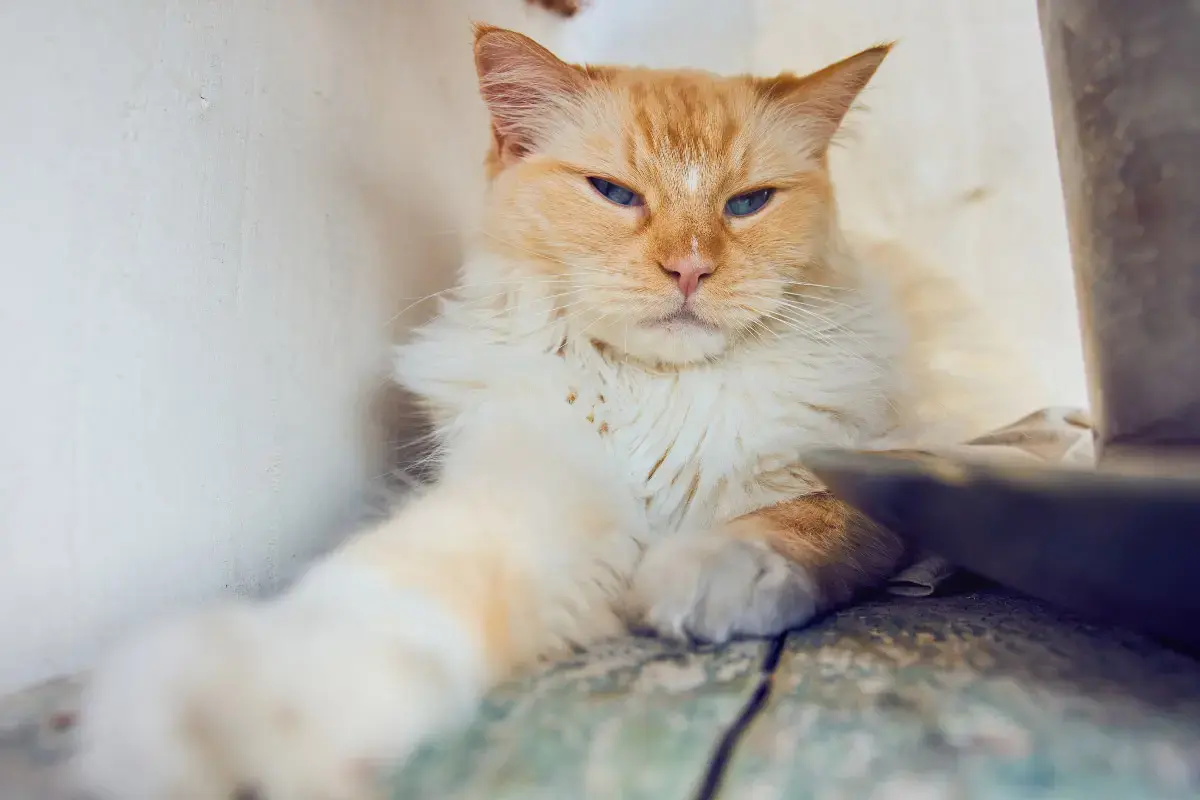
Ten Cat Breeds That Demand Constant Attention
Why Some Cats Refuse Solitude
Cats are often viewed as independent pets, but certain breeds defy this stereotype entirely. These specific felines require significant human interaction and physical presence throughout the day. Owners who choose these animals must be prepared for a highly social lifestyle rather than a quiet, solitary home environment. The commitment involves active engagement and consistent companionship every single day.
Latest news
 Premium Memory Foam Beds Transform Canine Sleep Quality
 Walmart's Festive Cat Tree Features Reindeer Antlers and Gold Star Topper
 Healthy Pumpkin Treats for Dogs: 7 Top Picks
 Anthropologie’s Clear Acrylic Pet Gate Keeps Pets Out Without Ruining the Room
The selection of these ten breeds highlights a distinct shift from typical feline behavior. While many cats prefer solitude, these varieties actively seek out their owners for play, cuddling, and conversation. They view their human companions as central figures in their daily routine. Understanding this dynamic helps prospective owners match their lifestyle with the right pet before adoption occurs.
These breeds possess high energy levels and strong emotional bonds with their humans. They do not tolerate being left alone for extended periods without signs of distress or boredom. Their intelligence drives them to interact with people to satisfy mental stimulation needs. Consequently, they often follow owners from room to room, demanding attention through vocalizations or physical contact. This behavior stems from their genetic predisposition toward sociability rather than independence.
How To Manage A Highly Social Feline
Owners report that these cats thrive in households where someone is present most of the time. They may engage in destructive behaviors or excessive meowing if ignored for too long. The need for interaction is not just about play; it includes simple observation and proximity. This constant connection ensures their emotional well-being remains stable and positive within the home setting.
Adopting one of these breeds requires a structured approach to daily care. Pet owners should plan for regular play sessions and interactive feeding times. Leaving the cat alone for eight hours during workdays might cause anxiety in these specific varieties. Providing vertical spaces and toys can help mitigate boredom when owners are briefly absent. However, the core requirement remains human presence and active engagement.
Prospective adopters should evaluate their work schedules carefully before committing. Remote workers or those with flexible hours find these breeds easier to manage. Conversely, individuals with long commutes or late shifts may struggle to meet the cats' social needs. Consulting with breeders or rescue groups can provide insights into individual temperament differences.
Frequently Asked Questions
Do these cats get lonely easily? Yes, these breeds experience significant stress when left alone for long durations. They often exhibit vocal complaints or destructive habits to signal their need for company.
Are they suitable for first-time owners? They can be challenging for beginners due to their high maintenance social needs. Experienced owners who understand feline psychology usually manage these pets better than novices.
How much space do they need? While they need room to move, their primary requirement is human interaction. A smaller apartment works well if the owner is present frequently to engage with the cat.
Content written by Amanda OBrien for galore-pets.com editorial team, AI-assisted.