Stray Husky’s Microchip Scan Unveils Shocking Past
A Hidden History Revealed by a Tiny Chip
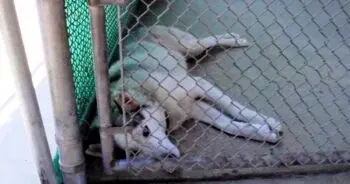
A team of shelter workers in a small Midwestern town discovered a striking, purebred Husky named Nate wandering the streets in late October. The dog’s striking blue eyes and sleek coat caught the attention of volunteers, but his wary behavior and deep, hollow stare hinted at a more troubling history.
Latest news
 Rescue Dog Shows Gratitude to Every Person Helping Her Heal
 Family Adopts Terminally Ill St. Bernard After Her Human Passes Away
 Neighbors Take Action After Town Ignores Abused Dog
 Retired Firefighter Reunited with Lost Dogs During Live Interview
The shelter staff immediately took Nate in for a routine examination. During the check‑up, a technician scanned his microchip, which returned a name and contact number. The information linked Nate to a private residence in the neighboring county, suggesting he had once lived in a home rather than on the streets. The revelation raised questions about his journey to the shelter and whether he had been mistreated.
„It was like a shock,” said volunteer Jenna Morales. „We thought he was just a lost dog, but the microchip data indicated he had a previous owner. That made us wonder if he had been abused or neglected.” The shelter’s vet confirmed that Nate showed signs of chronic stress—shy, easily startled, and reluctant to let people touch his ears or paws. These symptoms are common in dogs that have experienced trauma.
The shelter’s rescue team began a careful, patient approach to build trust with Nate. They introduced him to a quiet, dimly lit room and offered him a small bowl of food every day. Over several weeks, Nate began to relax, allowing his leash to be tied to his collar and eventually letting volunteers pet him. His progress was documented in the shelter’s daily logs, showing gradual improvement in his demeanor.
The microchip scan also helped the shelter locate Nate’s former owner. A phone call was made to the number provided, and the previous owner, a 38‑year‑old woman named Linda Carter, admitted that Nate had been in her care for three years. She explained that she had been unable to keep the dog due to financial hardship and had given him to the shelter after a neighbor reported him as a stray. Carter expressed regret and offered to adopt Nate if the shelter could provide a safe environment.
How the Shelter Is Turning Nate’s Story Into a Community Campaign
The shelter’s director, Mark Thompson, emphasized the importance of microchip technology in connecting lost pets with their families. „Microchips are a vital tool for reunification,” he said. „In Nate’s case, it allowed us to uncover a hidden history and give him the chance to heal.”
The case has sparked a conversation among local animal welfare advocates about the prevalence of abuse among purebred dogs. Many argue that purebred status does not guarantee a safe home, and that microchip data can sometimes reveal hidden abuse or neglect. The shelter plans to partner with a local veterinary clinic to provide free behavioral counseling for dogs with trauma histories.
Nate’s story is now a beacon for the community, illustrating the power of compassion and technology in rescuing vulnerable animals. The shelter hopes to use Nate’s experience to educate pet owners about responsible ownership and the importance of microchipping.
The dog is currently awaiting adoption. Interested parties can visit the shelter on weekdays between 10 a.m. and 4 p.m. to meet Nate and learn more about his journey.
Frequently Asked Questions
The microchip scan returned a name and phone number, indicating Nate had once lived in a private home. The shelter’s vet confirmed the dog’s signs of chronic stress, common in abused animals. Volunteers used a patient, gradual approach to build trust, allowing Nate to ease into human contact over weeks.
They also aim to launch an educational program for pet owners on responsible ownership and microchipping. Nate’s case has already inspired a local fundraiser to support shelters in the region.
What steps did the shelter take to help Nate recover from trauma? The shelter used a calm, patient approach, providing a quiet space, daily food, and gentle handling. Over weeks, Nate’s trust grew, allowing volunteers to pet him and eventually let him wear a leash.
Will Nate be adopted by his former owner? Linda Carter, the previous owner, expressed regret and offered to adopt Nate if the shelter could ensure a safe environment. The shelter is considering this option while also looking for a permanent home.
How can the public support shelters like this one? Volunteers can help by donating supplies, fostering dogs, or attending adoption events. Donations to local shelters also fund veterinary care and behavioral training for traumatized animals.