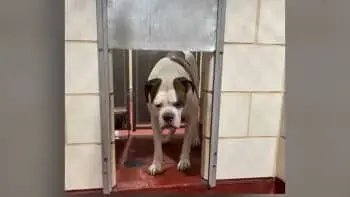
Shelter Dog Refuses to Return to Kennel After Walk
Why the Kennel Feels Like a Trap
A four-year-old Bulldog named Ice Cube spent his first day at an animal shelter in visible distress. A volunteer observed the dog huddled at the back of his kennel, too frightened to approach anyone. The most challenging moment arrived after a walk outside. Ice Cube refused to re-enter the building, showing clear signs of anxiety and reluctance to return to confinement.
Latest news
 Rescue Dog Shows Gratitude to Every Person Helping Her Heal
 Family Adopts Terminally Ill St. Bernard After Her Human Passes Away
 Neighbors Take Action After Town Ignores Abused Dog
 Retired Firefighter Reunited with Lost Dogs During Live Interview
The dog had only been surrendered to the shelter recently. His fear of the kennel environment was immediate and pronounced. Volunteers noted that the transition from outdoor space back to the indoor kennel triggered a strong resistance response.
Can a Shelter Dog Learn to Trust Again?
Ice Cube's behavior highlights a common issue in shelter environments. Dogs often associate kennels with confinement and lack of control. After experiencing freedom during a walk, returning to a small enclosed space can feel like a punishment. This contrast amplifies anxiety. Volunteers must carefully manage these transitions to reduce stress.
Recovery from kennel fear is possible with consistent, patient handling. Positive reinforcement during re-entry, gradual exposure, and predictable routines help rebuild trust. Ice Cube's case shows that even a single day in a new environment can create lasting stress responses. The key is avoiding forceful returns and allowing the dog to approach voluntarily.
How long does it take for a shelter dog to adjust? Adjustment periods vary widely. Some dogs settle within days, while others need weeks of consistent care. Ice Cube's one-day fear response is a normal stress reaction, not a permanent condition.
Frequently Asked Questions
What should volunteers do if a dog refuses to re-enter the kennel? Volunteers should avoid forcing the dog inside. Instead, they should use treats and calm body language to encourage voluntary entry. Patience and positive association are more effective than pressure.
Is kennel fear common in newly surrendered dogs? Yes. Many dogs experience kennel anxiety after surrender, especially if they associate the space with loss of freedom. Ice Cube's reaction is typical for dogs adjusting to shelter life.