
Shelter Dog Ace Returns After Adoption Fails Due to Separation Anxiety
Separation Anxiety: A Hidden Challenge for Dog Owners
Ace, a two‑year‑old mixed‑breed, was taken back to the Newark Animal Shelter this week after his first family could not cope with his intense separation anxiety. The dog was featured in a short Instagram clip posted by the shelter, showing him re‑entering the kennel he had briefly left behind. His adopters surrendered him only a few months after bringing him home, citing emotional strain and sleepless nights.
Latest news
 Rescue Dog Shows Gratitude to Every Person Helping Her Heal
 Family Adopts Terminally Ill St. Bernard After Her Human Passes Away
 Neighbors Take Action After Town Ignores Abused Dog
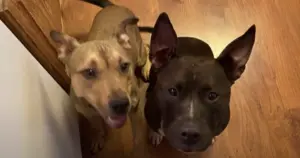 Retired Firefighter Reunited with Lost Dogs During Live Interview
The shelter says Ace’s new owners struggled to calm his distress whenever they left the house. He would bark, whine, and pace for hours, displaying classic signs of separation anxiety. After several attempts to train the dog with positive reinforcement and crate training, the family concluded they lacked the time and resources to meet his needs. Shelter staff accepted the surrender, noting that the dog’s health remained stable and that he would be placed back on the adoption list.
Separation anxiety affects an estimated 20 percent of rescued dogs, according to recent shelter surveys. The condition often emerges when a dog experiences a sudden change in environment or routine, such as moving from a shelter to a private home. Symptoms include excessive vocalization, destructive behavior, and attempts to escape confinement. Experts advise prospective adopters to assess their ability to provide consistent companionship before committing to a pet with known anxiety issues.
Can Ace Find a New Home?
Shelter counselors at Newark Animal Services emphasized the importance of a gradual transition. „We recommend short, frequent departures at first, paired with rewarding calm behavior,” said a volunteer coordinator. The shelter also offers a post‑adoption support program, providing owners with access to trainers and behaviorists. However, not all families can sustain the intensive care required, leading to returns like Ace’s.
The shelter is now seeking a family experienced with anxiety‑prone dogs. They plan to place Ace in a home where another dog can provide companionship, a strategy shown to reduce stress in many cases. Potential adopters will undergo a thorough screening process, including a home visit and a discussion of Ace’s history. The shelter hopes that matching him with a patient, knowledgeable owner will prevent another surrender.
If successful, Ace could become an example of how targeted support can turn a difficult situation into a lasting bond. The shelter’s director remains optimistic, noting that many dogs with similar issues have thrived after a careful re‑match. „We view each return as a second chance,” she said, adding that Ace’s story underscores the need for realistic expectations before adopting.
Frequently Asked Questions
What triggers separation anxiety in rescued dogs? Changes in environment, loss of a previous companion, or traumatic experiences can cause heightened distress when the dog is left alone.
How can owners help a dog with separation anxiety? Gradual desensitization, providing interactive toys, and maintaining a consistent departure routine can alleviate symptoms over time.
Will the shelter provide support after adoption? Yes, many shelters offer post‑adoption counseling, training resources, and behavioral assessments to assist new owners.