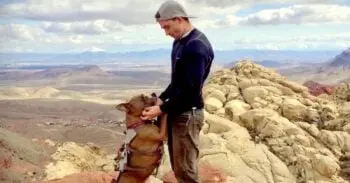
Revealing a Dog’s Hidden Passion After Six Months of Care
The Turning Point: A Five‑Minute Walk
A devoted father named Blaine rescued a frightened dog named Penni from a shelter set to euthanize her. The rescue took place in late May, and the adoption occurred just a day before the planned euthanasia. Penni, a small mixed‑breed with a history of abuse, was brought into Blaine’s home in a cramped apartment in the Midwest.
Latest news
 The Mystery Behind Your Cat’s Sudden Shift From Licking To Biting
 Tiny Gray Kitten Rescued From Busy New York Construction Site
 The Resilient Mother: A Cat and Her Five Kittens Face Life‑Saving Struggle Behind a Nail Salon
 Tiny Tuxedo Kitten Becomes Viral Sensation for Vocalizing During Mealtime
Blaine, who loves outdoor adventures, had expected Penni to thrive under his guidance. Instead, the dog remained withdrawn and anxious, refusing to explore the yard or play with toys. Despite the owner’s gentle approach, Penni’s trauma manifested in fear of strangers and reluctance to leave the safety of her bed. Blaine sought veterinary help, enrolled in a behaviorist program, and spent hours training and bonding with the dog.
After six months of therapy, a routine walk turned into a breakthrough. While strolling through a nearby park, Penni spotted a squirrel and, for the first time, sprinted after it. The dog’s tail wagged wildly, and she barked with excitement. Blaine realized that Penni’s true passion lay in chasing moving objects, a trait that had been masked by her anxiety.
How a Simple Activity Can Heal Trauma
„Seeing her run freely was the moment I knew we were on the right track,” Blaine told a local animal welfare group. He noted that the dog’s energy was redirected into a healthy outlet, reducing her stress and improving her overall behavior.
Animal behaviorists explain that engaging a dog in a preferred activity can accelerate emotional recovery. By focusing on the squirrel chase, Penni’s nervous system received positive reinforcement, helping her reframe fear as curiosity. The behaviorist recommended incorporating short, energetic bursts into daily routines, which Blaine has since adopted.
Blaine also introduced puzzle toys and scent games to stimulate Penni’s mind, ensuring that her newfound enthusiasm did not turn into hyperactivity. The dog now enjoys morning jogs, fetch sessions, and supervised playdates with other dogs, all of which reinforce her confidence.
Can Rehabilitation Change a Dog’s Life?
Yes, consistent, compassionate training can transform a traumatized pet’s behavior. The key lies in patience, routine, and identifying the animal’s intrinsic interests. Penni’s story demonstrates that even a dog with a dark past can find joy and purpose when given the right environment.
Looking ahead, Blaine plans to enroll Penni in community dog‑friendly events and continue her training with a certified professional. He hopes to inspire other pet owners who encounter abused animals to persevere, knowing that a dog’s passion can emerge with time and love.
Frequently Asked Questions
What signs indicate a rescued dog is still anxious? Signs include crouching, avoiding eye contact, excessive barking, and reluctance to explore new spaces.
How long does it typically take for a traumatized dog to show improvement? Recovery varies, but many dogs begin to show positive changes within three to six months of consistent care.
Can a dog’s love for chasing objects be turned into a safe activity? Yes, by providing controlled environments, such as fenced yards or designated play areas, owners can channel that energy safely.
Content written by Dee Michaels for galore-pets.com editorial team, AI-assisted.