
Rescuer Gives Rio Grande Valley Stray a Second Chance at Life
From Street Survival to Veterinary Care
A brindle mixed‑breed dog named Gia was found scavenging the streets of the Rio Grande Valley in early 2024. She had survived weeks without regular food or shelter, dodging traffic and harsh weather. Local volunteers spotted her near a busy intersection and began planning a safe rescue.
Latest news
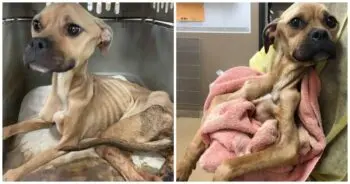 Rescue Dog Shows Gratitude to Every Person Helping Her Heal
 Family Adopts Terminally Ill St. Bernard After Her Human Passes Away
 Neighbors Take Action After Town Ignores Abused Dog
 Retired Firefighter Reunited with Lost Dogs During Live Interview
The rescue team, composed of animal‑rights activists and a few dedicated neighbors, spent days observing Gia’s routine. They noted that she avoided human contact and only emerged at night to search for scraps. After several attempts to coax her with food, they finally managed to gain her trust by leaving a bowl of water and canned dog food at a quiet spot. Once Gia ate, the volunteers used a humane trap to capture her without causing injury. She was then taken to a temporary foster home where veterinarians assessed her health, treated minor wounds, and began a nutrition plan to restore her weight.
Gia’s condition was fragile; she weighed just under 15 pounds and showed signs of dehydration and parasites. Veterinarians administered fluids, deworming medication, and a high‑calorie diet to help her regain strength. „She was incredibly resilient,” said Dr. Elena Martinez, the vet who treated her. „Despite the neglect, her spirit was still there, and that made the recovery process smoother.”
Will More Strays Find Hope in the Valley?
The foster family, a retired couple from Brownsville, provided a calm environment and regular walks. Over the next six weeks, Gia’s coat grew shinier, her eyes brighter, and her appetite steadier. The couple documented her progress on social media, hoping to inspire others to adopt shelter dogs. Their efforts attracted the attention of a local animal shelter, which eventually took Gia in for permanent placement.
The successful rescue has sparked conversations among community leaders about expanding stray‑animal programs. Officials are considering increased funding for trap‑neuter‑return initiatives and more public education on responsible pet ownership. „Gia’s story shows what can happen when neighbors step up,” said council member Luis Herrera. „We need systematic support so every stray has a chance at a safe home.”
As Gia settles into her new home, she represents a growing movement of grassroots rescues that rely on patience, compassion, and collaboration. Her transformation from a lone street survivor to a beloved family pet underscores the impact of coordinated community action. If similar efforts multiply, the Rio Grande Valley could see a measurable decline in stray populations and a rise in successful adoptions.
Frequently Asked Questions
How can I help stray dogs in my area? Volunteer with local shelters, donate supplies, or join neighborhood watch groups that monitor and report stray activity. Simple actions like providing water bowls can make a big difference.
What are the signs a stray dog needs immediate medical attention? Look for visible injuries, severe dehydration, limping, or extreme weight loss. If you notice any of these, contact a veterinarian or animal rescue organization right away.
Is trap‑neuter‑return effective for reducing stray populations? Yes, TNR programs have been shown to lower birth rates and improve the health of community dogs, leading to fewer strays over time.