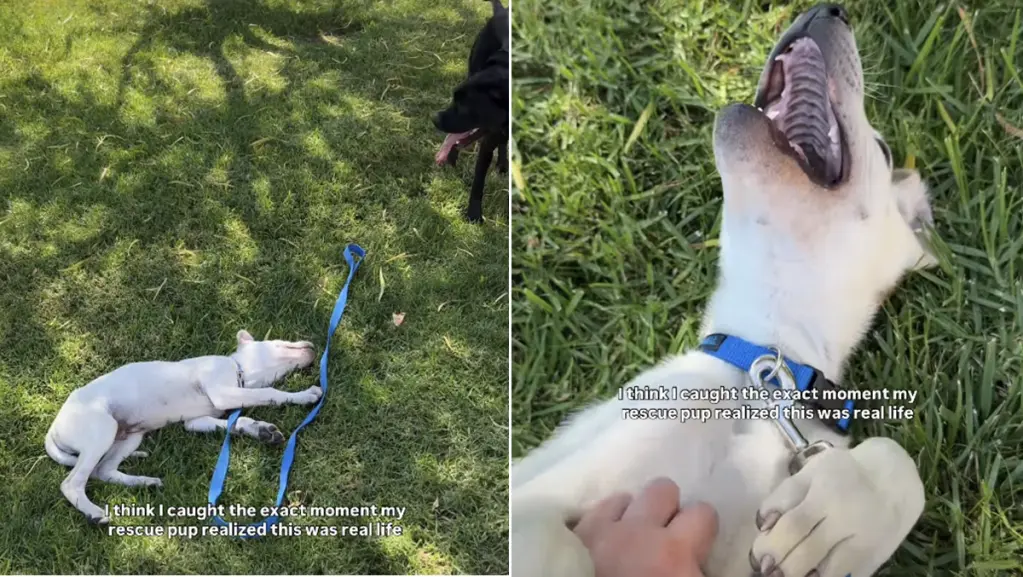
Rescued Puppy Chip Finds Joy in Play, Signs He’s Settling into a New Home
Playful Moments Signal Healing
A short video posted on Instagram by user @amy_suppes shows Chip, a rescued puppy, romping with his canine sibling in a bright, cozy living room. The clip, filmed last weekend, captures the young dog’s exuberant play as he discovers the comforts of a permanent home after months in a shelter.
Latest news
 Premium Memory Foam Beds Transform Canine Sleep Quality
 Walmart's Festive Cat Tree Features Reindeer Antlers and Gold Star Topper
 Healthy Pumpkin Treats for Dogs: 7 Top Picks
 Anthropologie’s Clear Acrylic Pet Gate Keeps Pets Out Without Ruining the Room
Chip’s transformation is evident in the way he chases a squeaky toy, nudges his older companion, and darts across the floor with unrestrained energy. Shelter environments can be noisy and stressful, often leaving dogs anxious and withdrawn. By contrast, Chip’s relaxed demeanor and willingness to engage suggest he is finally feeling safe. Animal behaviorists note that play is a key indicator of a dog’s emotional well‑being, signaling trust in the surrounding environment and confidence in its caretakers.
The video begins with Chip hesitantly sniffing a plush ball before lunging after it with gusto. His older sibling, a calm Labrador, watches patiently before joining the chase, creating a gentle tug‑of‑war that ends in both dogs collapsing in a heap of wagging tails. „Seeing Chip so animated tells us he’s moving past the fear that many shelter dogs carry,” said Laura Martinez, a volunteer at the local animal rescue. „When a dog starts to play, it’s a sign they’re beginning to trust their new family.”
Chip’s owner, who prefers to remain anonymous, shared that the puppy arrived at their home three weeks ago after being rescued from a crowded municipal shelter. „The first few days were tough; he’d hide under the couch and whine at every sound,” the owner recalled. „But after introducing a familiar dog from our household, he started to open up. This video captures the moment he finally let go of his anxiety.”
Why Does Play Matter for Rescued Dogs?
Experts point out that introducing a rescued dog to a well‑behaved companion can accelerate the adjustment process. The presence of a stable, older dog provides a model for appropriate behavior and offers a sense of security. In Chip’s case, the bond formed quickly, allowing him to explore his new surroundings without fear.
Play is more than just fun; it is a therapeutic tool that helps rescued dogs rebuild confidence. According to the American Society for the Prevention of Cruelty to Animals, regular play can reduce cortisol levels, lower stress, and improve social skills. For dogs like Chip, who have endured the chaos of shelter life—constant barking, unfamiliar humans, and limited personal space—play signals a shift toward stability.
„Play triggers the release of endorphins, which help dogs feel happier and more relaxed,” explained Dr. Samuel Greene, a veterinary behaviorist. „When a rescued dog engages in play, it shows they are beginning to associate their environment with positive experiences rather than fear.”
What’s Next for Chip and Other Rescue Puppies?
Chip’s owners plan to continue fostering his confidence through daily games, training sessions, and regular walks. They hope his story will inspire other families to consider adopting shelter dogs, highlighting the profound impact a loving home can have on a vulnerable animal.
As Chip settles into his new routine, his owners anticipate more milestones—learning basic commands, mastering leash walking, and eventually joining community dog events. The broader rescue community sees Chip’s progress as a hopeful example that with patience and proper support, many shelter dogs can thrive.
The video’s popularity on social media underscores a growing public interest in animal welfare. Viewers have praised the heartwarming scene, many expressing a desire to adopt or volunteer. Organizations report a modest increase in inquiries following similar uplifting stories, suggesting that positive narratives can translate into real‑world action.
Frequently Asked Questions
Chip’s journey from a noisy shelter to a playful home illustrates the transformative power of compassion. As more families open their doors, the ripple effect could lead to fewer dogs languishing in overcrowded facilities and more happy tails wagging in safe, loving environments.
How long does it typically take for a rescued dog to feel comfortable in a new home? Adjustment periods vary, but many dogs show signs of trust within a few weeks to several months, especially when introduced to a calm companion and consistent routines.
What are the best ways to help a shelter dog overcome anxiety? Providing a quiet space, gradual exposure to new stimuli, regular play, and positive reinforcement training are effective strategies to reduce fear and build confidence.
Can adopting a rescued dog be stressful for existing pets? If introduced slowly and under controlled conditions, most existing pets adapt well. Pairing the new dog with a calm, well‑socialized animal can ease the transition for both.
Content written by Chhavi Puri for galore-pets.com editorial team, AI-assisted.