Rescue Mission Saves Golden Retriever from Hurricane‑Damaged Ditch
How Firefighters Turned a Dangerous Situation into a Life‑Saving Operation
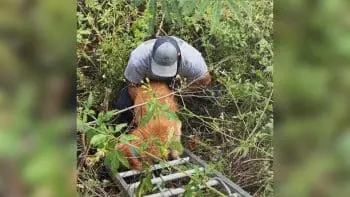
In the aftermath of Hurricane Isaias, a 14‑year‑old Golden Retriever named Benny was trapped in a 20‑foot‑deep ditch in Tallahassee, Florida. Firefighters from the Tallahassee Fire Department responded to the emergency call and rescued the senior dog from the water‑logged hole.
Latest news
 Rescue Dog Shows Gratitude to Every Person Helping Her Heal
 Family Adopts Terminally Ill St. Bernard After Her Human Passes Away
 Neighbors Take Action After Town Ignores Abused Dog
 Retired Firefighter Reunited with Lost Dogs During Live Interview
Benny’s owners reported that the storm had caused severe flooding in their neighborhood. The dog was discovered by a neighbor who noticed his muffled whines coming from the ditch. Unable to climb out on his own, Benny’s life was in danger as the water level rose and debris accumulated around him.
What Does This Incident Reveal About Hurricane Preparedness for Pets?
The Tallahassee Fire Department dispatched a crew equipped with a hydraulic rescue tool, commonly known as a „jack‑hammer,” to reach Benny. The team lowered a harness and rope into the ditch, secured the dog, and carefully extracted him from the water. Firefighter Captain Maria Lopez explained that the team had to work quickly because the water depth could have risen further, increasing the risk of drowning. „We had to act fast and keep the dog calm,” Lopez said. „The harness and the support rope were critical in preventing any sudden movements that could have harmed him.”
After extraction, Benny was transported to a local veterinary clinic for a thorough check. The veterinarian confirmed that Benny had suffered from mild hypothermia and dehydration but was otherwise healthy. He received fluids and was monitored for a few hours before being returned to his owners.
How Can Communities Better Protect Their Pets in Future Storms?
The rescue highlights the importance of planning for pets during severe weather events. Pet owners are urged to secure safe, elevated shelters and to have emergency kits that include food, water, and identification tags. Local authorities have begun to issue guidelines on how to protect animals during floods, emphasizing the need to keep pets away from potential hazards like abandoned vehicles, broken fences, and open ditches.
The incident also underscores the vital role that first responders play in protecting all community members, human and animal alike. „We’re trained to save lives, and that includes our furry friends,” said Firefighter Officer James Patel. „Every call is a chance to make a difference.”
Final Thoughts
Local animal shelters and veterinary clinics are collaborating to create „pet‑ready” kits that can be distributed to residents in high‑risk areas. These kits contain portable water bowls, emergency medication, and a list of nearby shelters. In addition, the city is planning a public awareness campaign to educate residents about the dangers of flooding and how to evacuate pets safely.
The rescue of Benny has sparked conversations among residents about the need for better infrastructure to prevent pets from becoming trapped. Some neighbors are advocating for the installation of drainage systems and the sealing of open ditches. Others are pushing for stricter enforcement of building codes to ensure that pet enclosures are secure during extreme weather.
Frequently Asked Questions
Benny’s successful rescue serves as a powerful reminder that preparedness and swift action can save lives. While the storm’s damage continues to affect the community, the collaborative effort between firefighters, veterinarians, and pet owners offers hope. Residents are encouraged to review their own emergency plans and to work with local authorities to strengthen the city’s resilience against future hurricanes.
Q: Where can I find resources for pet emergency preparedness? A: Local animal shelters, veterinary clinics, and the city’s emergency management office provide guidelines and kits for pet owners in high‑risk areas.