
Reproductive Issues in Dogs Can Escalate Quickly
Hidden Dangers in Intact Females
Many dog owners overlook their pet's reproductive health until a problem arises. Unplanned breeding, unwanted litters, and underlying health issues can all bring reproductive health to the forefront. Dogs of any age and breed can be affected.
Latest news
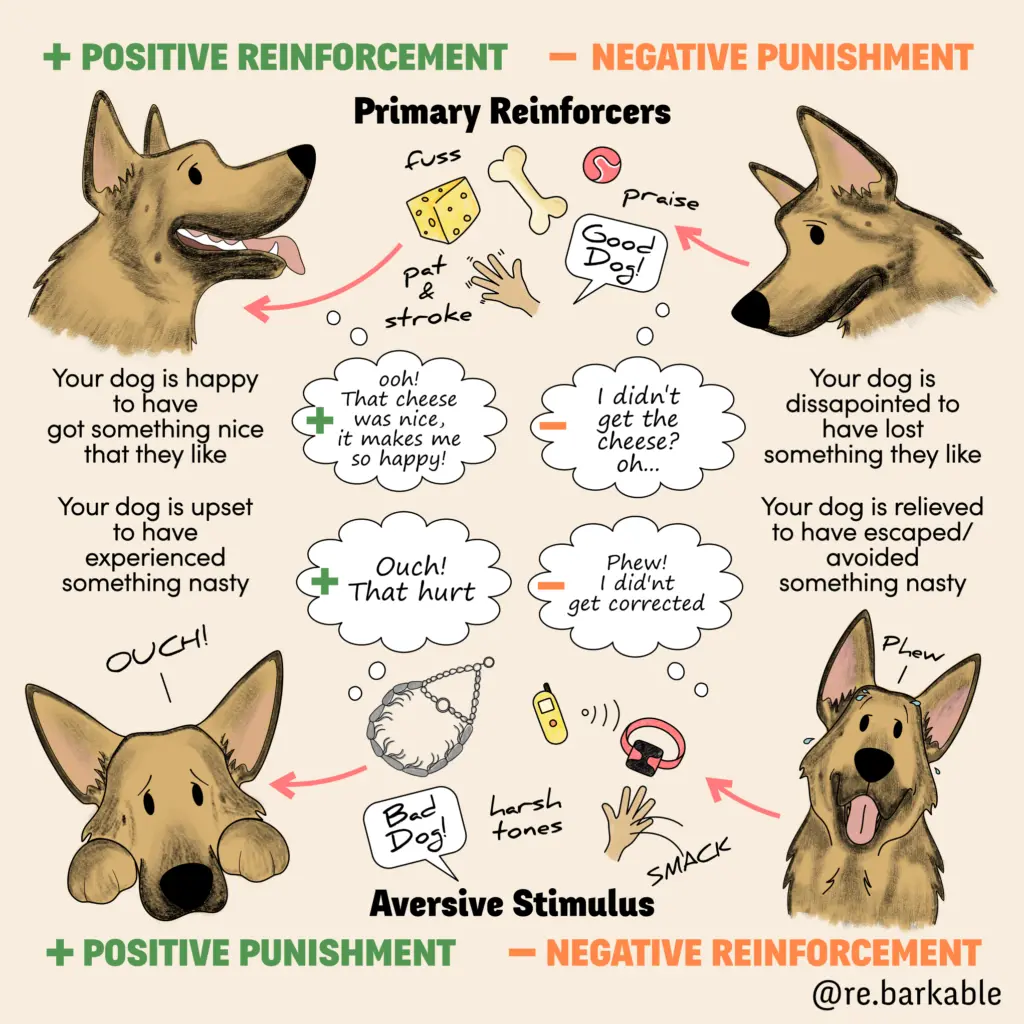 The Flaws of Punishment in Dog Training
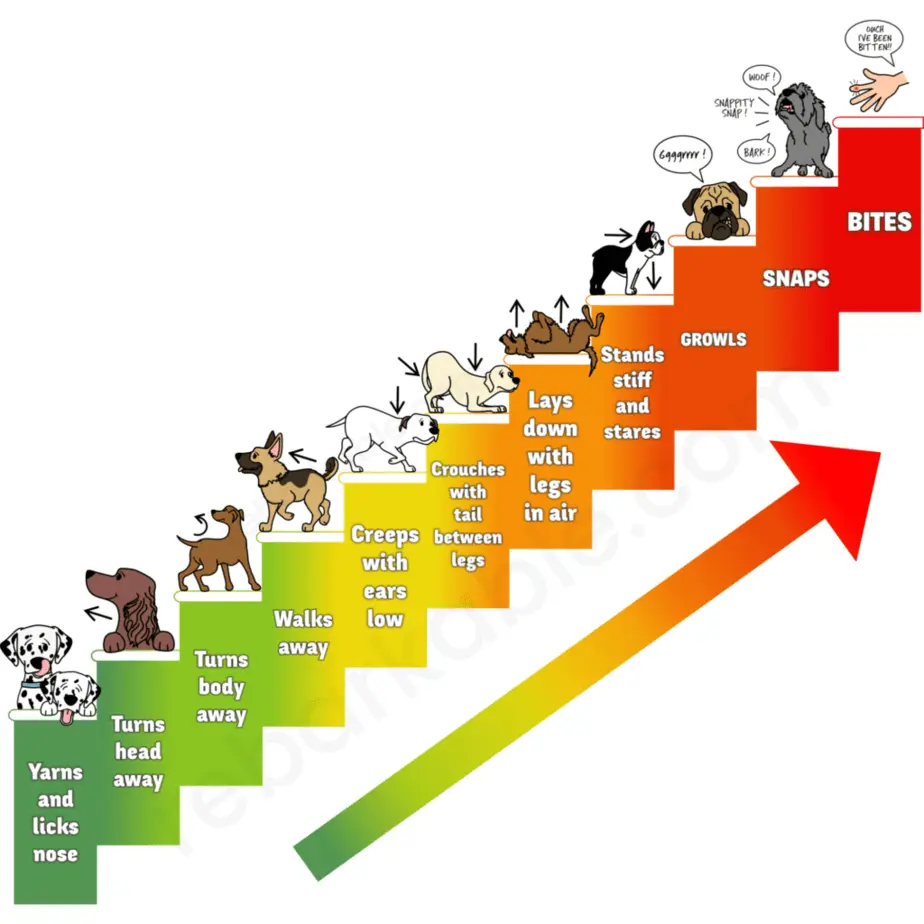 Puppy Growls: Understanding Playful vs. Aggressive Behavior
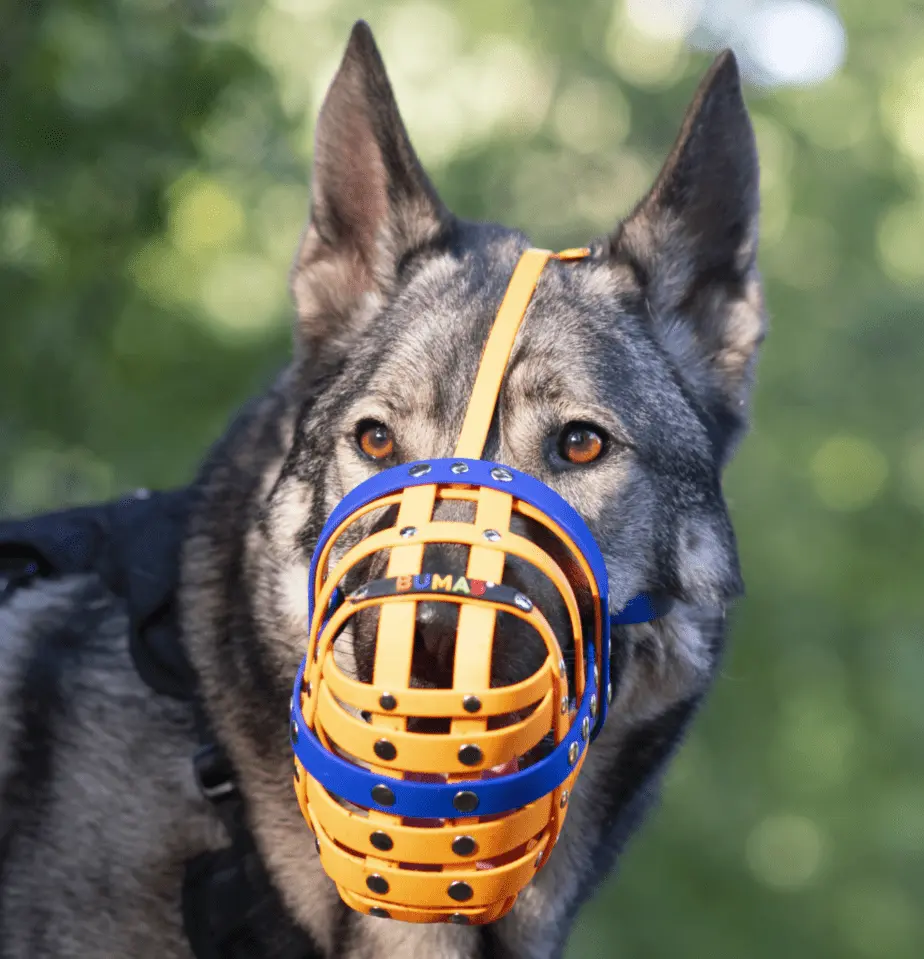 Understanding Dog Muzzles: A Guide for Responsible Pet Owners
 Debunking the Myth: Tug-of-War Does Not Cause Dog Aggression
Reproductive problems in dogs can be caused by various factors, including genetics, infection, and hormonal imbalances. For instance, conditions like pyometra, a bacterial infection of the uterus, can develop rapidly in intact females. Male dogs can suffer from issues like testicular cancer or prostate problems.
Pyometra is a life-threatening condition that requires immediate veterinary attention. Symptoms include lethargy, vomiting, and increased thirst. If left untreated, the infection can lead to sepsis and death. According to Dr. Paola Cueva, „Pyometra is a common condition in older, intact females, and it's essential to monitor their health closely.” Can You Prevent Reproductive Issues in Your Dog? Spaying or neutering can significantly reduce the risk of certain reproductive problems, such as uterine infections and testicular cancer. However, the decision to sterilize should be made in consultation with a veterinarian, taking into account factors like the dog's age, breed, and health status.
The consequences of neglecting reproductive health can be severe. Untreated conditions can lead to serious illness, death, or the need for emergency surgery. Regular veterinary check-ups and monitoring can help identify potential issues early on.
Frequently Asked Questions
Q: What are the signs of pyometra in dogs? If you suspect pyometra, seek veterinary attention immediately.
Q: Can spaying or neutering prevent all reproductive problems? A: While spaying or neutering reduces the risk of certain issues, it's not a guarantee against all reproductive problems.
Q: How often should I take my dog for reproductive health checks? A: Consult with your veterinarian to determine the best check-up schedule for your dog based on their age, breed, and health status.
Content written by Jake Rivera for galore-pets.com editorial team, AI-assisted.