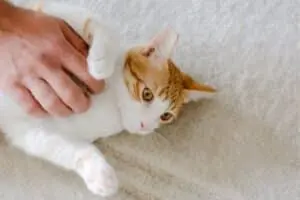
Relaxed Cats: The 13 Breeds That Love to Lounge All Day
The Science Behind a Cat’s Chill Factor
A recent roundup of feline personalities highlights the most laid‑back cat breeds, from the floppy‑armed Ragdoll to the plush‑coated Persian. These cats tend to have low activity levels, prefer quiet environments, and often seek out sunny windowsills or soft cushions. Pet owners and breeders note that their calm demeanor makes them ideal companions for apartment living and for families seeking a gentle pet.
Latest news
 Rescue Dog Shows Gratitude to Every Person Helping Her Heal
 Family Adopts Terminally Ill St. Bernard After Her Human Passes Away
 Neighbors Take Action After Town Ignores Abused Dog
 Retired Firefighter Reunited with Lost Dogs During Live Interview
The list was compiled by surveying veterinarians, breed clubs, and cat owners who track behavior traits. Researchers found that genetics, coat type, and historical breeding goals all influence a cat’s energy. Breeds originally developed for companionship, such as the British Shorthair, were selectively bred for a docile temperament, while working cats like the Siamese tend to be more active. The relaxed breeds also show lower stress hormone levels in studies, suggesting a biological basis for their easygoing nature.
Veterinary behaviorist Dr. Lena Morales explains that a cat’s temperament is shaped early in life. „Kittens that receive consistent handling and a stable routine often develop into calmer adults,” she says. Genetic studies show that breeds like the Ragdoll carry a mutation linked to reduced muscle tone, which makes them go limp when picked up—a physical trait that mirrors their mellow personality. Additionally, the dense, insulating coats of Persians and British Shorthairs reduce the need for vigorous play, encouraging them to conserve energy.
Which Relaxed Breed Is Right for You?
Owners report that these cats thrive on predictable schedules. Feeding at the same times each day, providing a few high‑quality toys, and maintaining a quiet household can enhance their already low‑stress lifestyle. In contrast, sudden changes—such as moving homes or introducing new pets—can unsettle even the most relaxed felines, leading to temporary anxiety.
Choosing a low‑energy cat depends on lifestyle and preferences. Ragdolls are known for their affectionate, „dog‑like” behavior; they follow owners from room to room and enjoy being cradled. British Shorthairs are independent yet friendly, often content to observe rather than participate in household chaos. Persians require regular grooming due to their long fur, but reward owners with a serene presence and a fondness for sunbathing.
Potential adopters should consider health concerns common to these breeds. Persians are prone to brachycephalic airway issues, while Ragdolls may develop hypertrophic cardiomyopathy. Regular veterinary check‑ups and a balanced diet can mitigate many problems, ensuring that the cat’s calm demeanor is not compromised by illness.
The growing popularity of relaxed cat breeds reflects a broader trend toward pets that complement busy urban lives. As more renters seek low‑maintenance companions, shelters are increasingly highlighting these breeds for adoption. Experts predict that breeding programs will continue to emphasize temperament, producing even more cats suited for tranquil homes.
Frequently Asked Questions
Do relaxed cat breeds require less exercise? Yes, they generally need shorter play sessions and are satisfied with gentle interaction, but they still benefit from daily mental stimulation.
Are these cats good with children? Most are patient and tolerant, especially if raised with kids, but supervision is advised to prevent accidental rough handling.
Will a calm cat become active as it ages? Temperament tends to remain consistent, though senior cats may become even more sedentary, requiring easy access to comfortable resting spots.