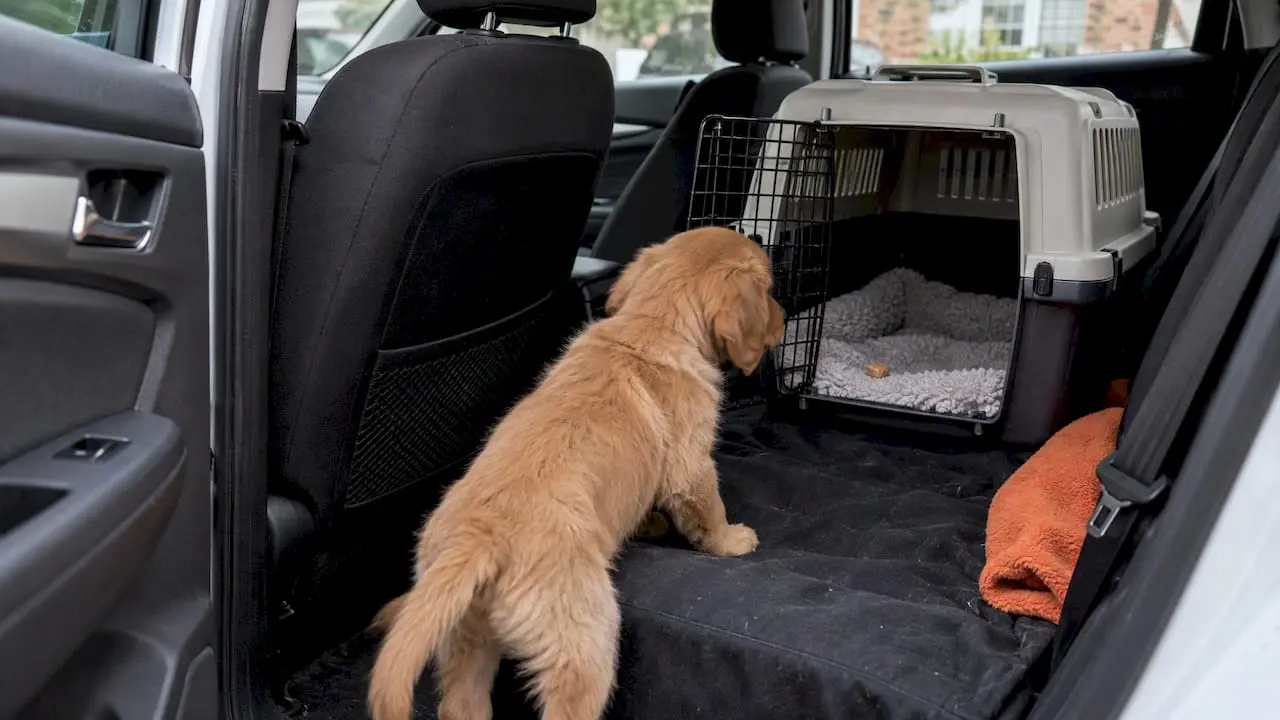
Puppy Car Rides: A Five-Step Guide to Safe Travel
How to Choose the Right Restraint
A new dog owner can keep their puppy safe during car journeys by properly securing the pet, preventing motion sickness, and scheduling frequent stops. Leaving a puppy in a parked vehicle, even briefly, poses serious risks and should be avoided.
Latest news
 Rescue Dog Shows Gratitude to Every Person Helping Her Heal
 Family Adopts Terminally Ill St. Bernard After Her Human Passes Away
 Neighbors Take Action After Town Ignores Abused Dog
 Retired Firefighter Reunited with Lost Dogs During Live Interview
The plan begins with choosing the right restraint. A harness or seat belt designed for dogs keeps the puppy secure without restricting breathing. Next, acclimate the dog to the car’s motion. Short, calm drives help the puppy associate the vehicle with positive experiences. Adding a familiar blanket or toy can reduce anxiety. Third, address motion sickness by offering a small, bland snack before departure and keeping the windows slightly open for fresh air. Fourth, plan regular breaks every 30 to 45 minutes. During stops, let the puppy stretch and relieve itself. Finally, return home only when the dog has had ample rest and the journey feels complete.
Can Motion Sickness Be Prevented?
These steps help prevent accidents and discomfort. Proper restraint stops the puppy from leaping onto the driver or slipping into the footwell, while regular breaks reduce nausea and restlessness. By timing the drive to match the puppy’s temperament, owners can avoid stressful situations that may lead to injury or behavioral issues.
Selecting a harness that fits snugly is crucial. It should not be too tight, yet must hold the puppy firmly in place. Seat belts that attach to the harness are preferable to cages, as they allow the dog to sit upright and look out the window. Some owners opt for a small crate, but this can trap a frightened puppy in a confined space. A well‑fitted harness also prevents the dog from reaching the dashboard or steering wheel, safeguarding both pet and driver.
What Happens If a Puppy Is Left Alone in a Car?
Yes, motion sickness can be mitigated. A small portion of plain rice or a commercial dog anti‑nausea chew taken 15 minutes before departure can help. During the trip, keep the windows at a low angle to let fresh air circulate. Avoid feeding a heavy meal right before driving, as a full stomach increases the likelihood of vomiting. If the puppy shows signs of discomfort, pause the journey and allow the dog to rest in a shaded area.
Frequently Asked Questions
Leaving a puppy unattended in a vehicle, even for a few minutes, can lead to heatstroke, dehydration, or death. Dogs cannot regulate their body temperature in a hot car, and temperatures can rise rapidly. The consequences are severe and often fatal. Therefore, never leave a puppy in a parked vehicle, regardless of how short the trip.
Owners who follow the five‑step plan can enjoy safe, stress‑free travels with their new companions. Proper restraint, acclimation, and timing reduce the risk of injury and create positive memories for both dog and owner.