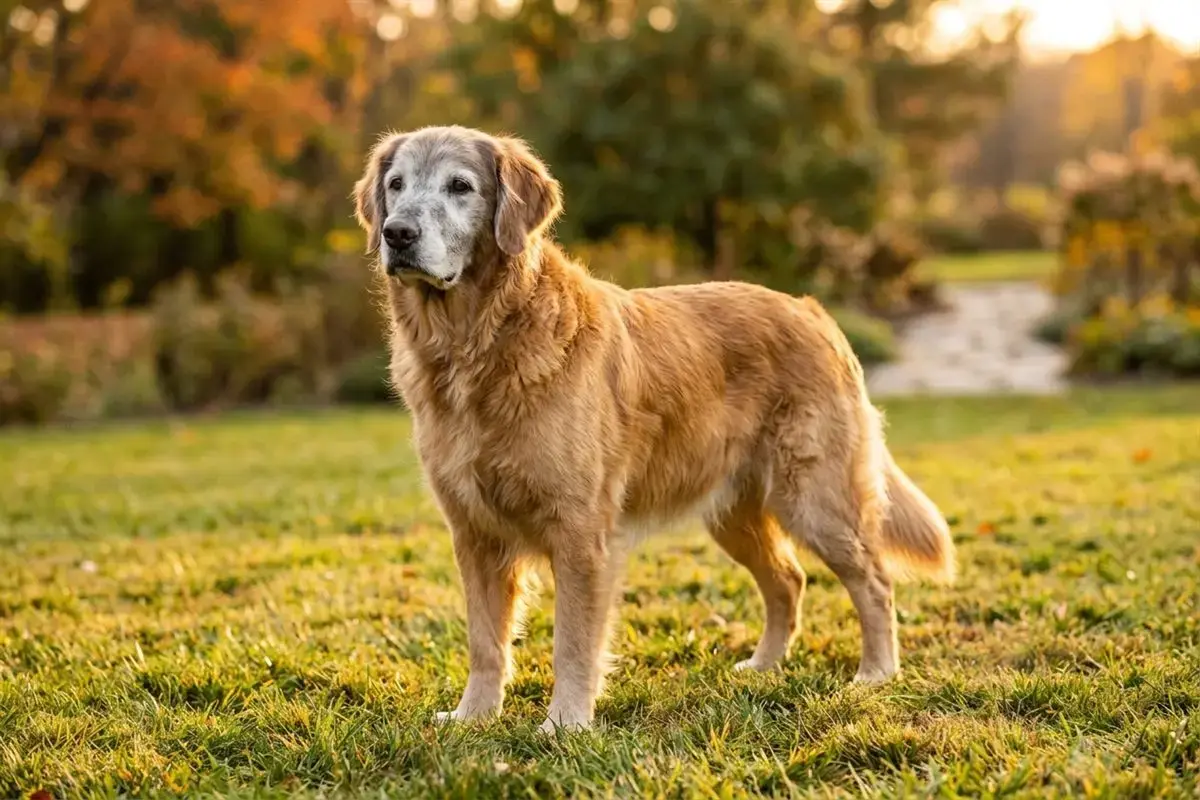
Protein Needs for Healthy Aging Dogs
Rethinking Protein Requirements for Older Dogs
As canine companions age, their dietary requirements change. Recent veterinary research has shed new light on the protein needs of older dogs. The traditional view that seniors require less protein has been challenged.
Latest news
 Walmart's Festive Cat Tree Features Reindeer Antlers and Gold Star Topper
 Healthy Pumpkin Treats for Dogs: 7 Top Picks
 Anthropologie’s Clear Acrylic Pet Gate Keeps Pets Out Without Ruining the Room
 5 Best Peanut Butter Dog Treats
The updated evidence suggests that older dogs need sufficient protein to maintain muscle mass and overall health. Aging dogs undergo natural changes that affect their muscle tissue, making protein essential for healthy aging.
Can Too Little Protein Affect an Older Dog's Quality of Life?
Studies have shown that older dogs require more protein than previously thought to support muscle health. A diet rich in high-quality protein can help mitigate the effects of aging, such as weight loss and decreased mobility. Research indicates that older dogs need protein to maintain muscle function and overall well-being.
Insufficient protein can lead to a decline in an older dog's quality of life. As dogs age, their ability to maintain muscle mass and strength diminishes, making everyday activities more challenging. A protein-rich diet can help support their overall health and mobility.
Frequently Asked Questions
Consequences of inadequate protein intake can be significant, affecting an older dog's ability to lead an active and comfortable life. As our understanding of canine nutrition evolves, veterinarians are reevaluating dietary recommendations for aging dogs.
How much protein do older dogs need? Older dogs require a diet rich in high-quality protein, with specific needs varying based on factors like breed and health. Can I adjust my older dog's protein intake on my own? It's essential to consult with a veterinarian to determine the best diet for your aging dog. What are the signs of protein deficiency in older dogs? Weight loss, decreased mobility, and loss of muscle mass can be indicative of inadequate protein intake.
Content written by Emily Brooks for galore-pets.com editorial team, AI-assisted.