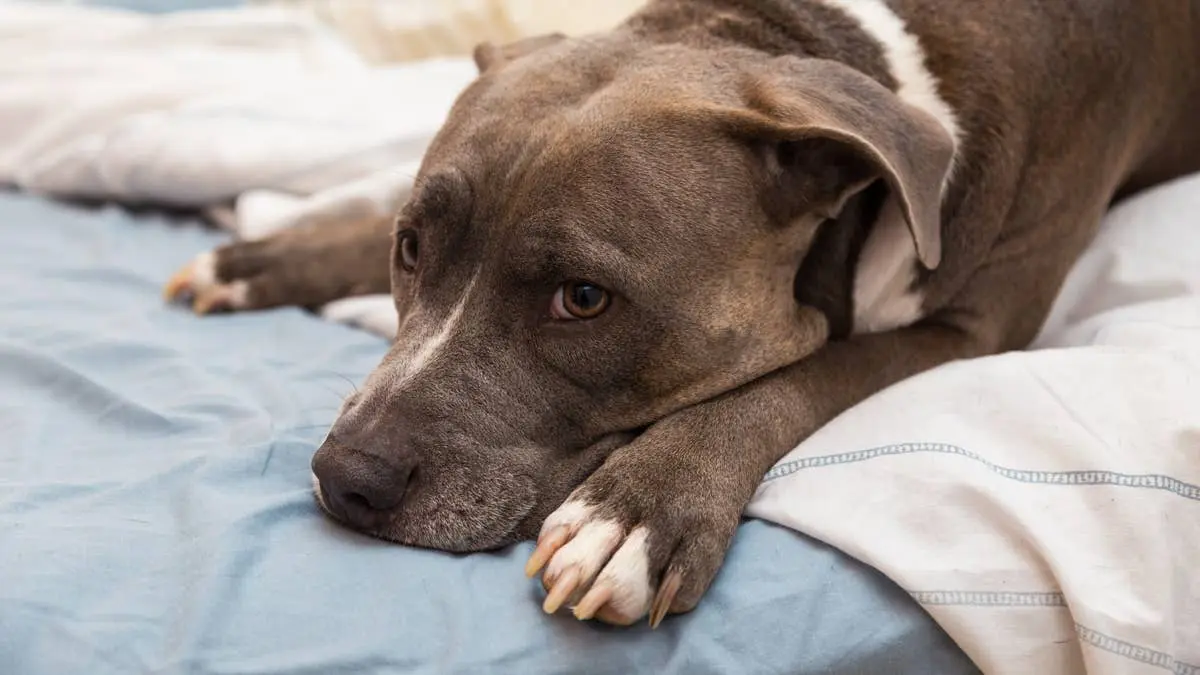
Pit Bull’s „No Second Dinner” Moment Goes Viral, Fans Say He Looks Ready to Cry
Why Dogs React Strongly to Food Denial
A short video captured on a Tuesday night in suburban Texas shows Opie, a three‑year‑old Pit Bull, reacting dramatically after his owner refuses him a second serving of dinner. The clip, posted on a popular social platform, quickly amassed thousands of views as viewers noted the dog’s droopy ears and trembling paws, interpreting the scene as a canine „tearful” moment.
Latest news
 Rescue Dog Shows Gratitude to Every Person Helping Her Heal
 Family Adopts Terminally Ill St. Bernard After Her Human Passes Away
 Neighbors Take Action After Town Ignores Abused Dog
 Retired Firefighter Reunited with Lost Dogs During Live Interview
Opie’s owner, who prefers to remain anonymous, explained that the dog often begs for extra food after his regular evening meal. „He’s a good boy, but I can’t keep feeding him more,” she said, adding that the video was recorded after a particularly stressful day for both. The footage shows Opie sitting upright, eyes wide, and then slowly lowering his head as if on the brink of sobbing. Animal behaviorists note that dogs can display stress signals—such as lowered ears, a tucked tail, and whimpering—when they are denied a desired treat, especially if they have learned to associate the owner’s voice with food.
Research indicates that dogs, like humans, experience a surge of dopamine when anticipating a treat. When that expectation is unmet, the brain’s reward circuitry can trigger frustration. „Opie’s reaction is a classic example of a dog’s conditioned response,” said Dr. Laura Mendoza, a veterinary behavior specialist. „If a dog repeatedly receives a second serving, it learns to expect it, and the sudden ”no„ can feel like a broken promise.”
Can a Dog Really Cry?
In Opie’s case, the owner’s firm „no” was followed by a gentle pat and a calm tone, which likely prevented the situation from escalating. Experts advise pet owners to maintain consistent feeding routines and avoid giving extra portions, as overfeeding can lead to obesity and related health issues. The video also sparked a broader conversation online about responsible pet nutrition, with many commenters sharing tips on portion control and alternative enrichment activities to keep dogs satisfied without extra calories.
The term „crying” is often used metaphorically when describing a dog’s mournful whine or whimper. While dogs do not produce emotional tears like humans, they can vocalize distress. „What looks like crying is usually a combination of whimpering and body language that signals disappointment,” explained Dr. Mendoza. „Observing the whole picture—ear position, tail, and vocal tone—helps owners understand their pet’s feelings.”
Opie’s drooping posture and soft whine in the video align with these signs of disappointment. Veterinarians caution against interpreting every whimper as a sign of deep sadness, but they agree that consistent denial of a beloved treat can cause temporary frustration. The key is to balance affection with healthful feeding practices.
The viral clip has reminded many pet parents that while a second dinner may seem harmless, it can reinforce unhealthy eating habits. As the conversation continues, experts hope owners will prioritize balanced nutrition over momentary indulgence, ensuring dogs like Opie stay happy and healthy.
Frequently Asked Questions
Why does my dog beg for more food after a meal? Dogs learn quickly that certain cues—like a raised voice or a hand near the bowl—predict treats. Repeatedly rewarding this behavior reinforces the begging.
Is it harmful to give my dog a second dinner occasionally? Occasional extra portions can contribute to weight gain over time, especially in breeds prone to obesity. Regular overfeeding increases the risk of diabetes, joint problems, and reduced lifespan.
How can I stop my dog from whining when denied a treat? Maintain a consistent feeding schedule, use positive reinforcement for calm behavior, and provide alternative enrichment such as puzzle toys or a short walk to distract from food cravings.