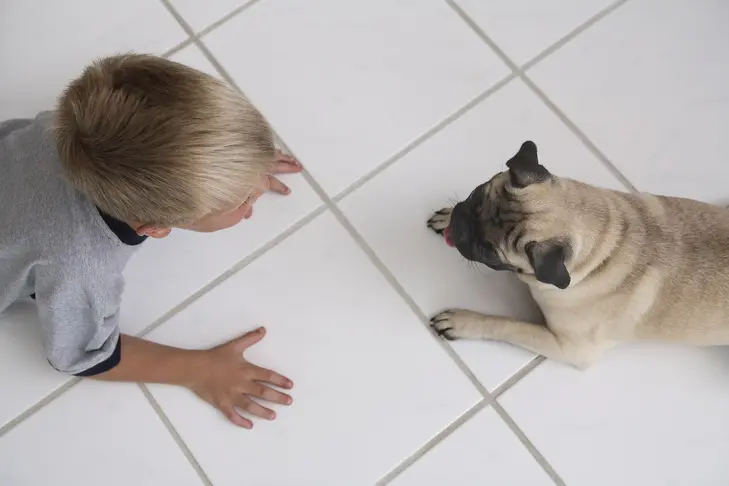
One in Three Families Find Puppy Ownership More Difficult Than Anticipated
The Hidden Demands of New Pet Ownership
A recent study published in the journal PLOS ONE reveals a significant gap between expectations and reality for new dog owners. The research indicates that approximately one-third of families report that raising a puppy was considerably harder than they had predicted. This finding challenges the common perception that bringing home a young dog is primarily a source of joy and ease. Many prospective owners often underestimate the logistical and emotional demands of the process.
Latest news
 Rescue Dog Shows Gratitude to Every Person Helping Her Heal
 Family Adopts Terminally Ill St. Bernard After Her Human Passes Away
 Neighbors Take Action After Town Ignores Abused Dog
 Retired Firefighter Reunited with Lost Dogs During Live Interview
The discrepancy stems largely from how popular culture portrays pet ownership. Television shows, films, and social media platforms frequently depict puppies as low-maintenance companions. These media portrayals emphasize cuteness and playfulness while rarely showing the underlying work involved. Consequently, many families enter the experience with unrealistic assumptions about time, money, and patience required. The study highlights that this mismatch leads to higher stress levels among new owners.
Responsible dog ownership involves much more than feeding and walking an animal. It requires consistent training, regular veterinary care, and substantial financial commitment. Families must adapt their daily routines to accommodate the puppy's needs. This includes managing housebreaking, which can be messy and frustrating. Additionally, puppies require extensive socialization to ensure they develop into well-adjusted adults. The physical energy of a young dog can be exhausting for busy households. Owners often struggle to balance work, family life, and the intense attention a puppy demands during its first year.
Does Media Mislead Prospective Owners?
Financial costs also play a critical role in the difficulty level. Initial expenses include vaccinations, spaying or neutering, and microchipping. Ongoing costs cover high-quality food, toys, grooming supplies, and unexpected medical bills. Many families did not fully account for these recurring expenses before adopting. The study suggests that financial strain contributes significantly to the perceived hardship. When budgets are tight, the pressure to maintain proper care intensifies. This creates a cycle of stress that affects both the owner and the pet.
The romanticized view of pet ownership persists despite mounting evidence to the contrary. Social media influencers often showcase only the best moments with their pets. They rarely document the late-night accidents or the weeks of repetitive training. This curated presentation sets a high bar for what normalcy looks like. As a result, real-world struggles feel like failures rather than standard parts of the journey. Experts recommend that potential owners seek out realistic accounts of puppy rearing. Understanding the full scope of responsibilities helps set appropriate expectations. This preparation can mitigate the shock of the initial months.
Frequently Asked Questions
How long does the hardest period last? The most challenging phase typically occurs during the first few months of a puppy's life. This period includes housebreaking and establishing basic obedience. Most owners report that difficulties decrease significantly after the puppy reaches six months of age.
What are the main sources of stress? Time management and financial costs are the primary drivers of stress for families. Balancing a puppy's need for exercise with work schedules is a common challenge. Unexpected veterinary bills also contribute to anxiety for many households.
Can preparation reduce the difficulty? Yes, thorough preparation helps manage expectations and reduces surprise. Researching breed-specific traits and budgeting for costs beforehand makes the transition smoother. Setting realistic goals for training prevents frustration for both owner and dog.