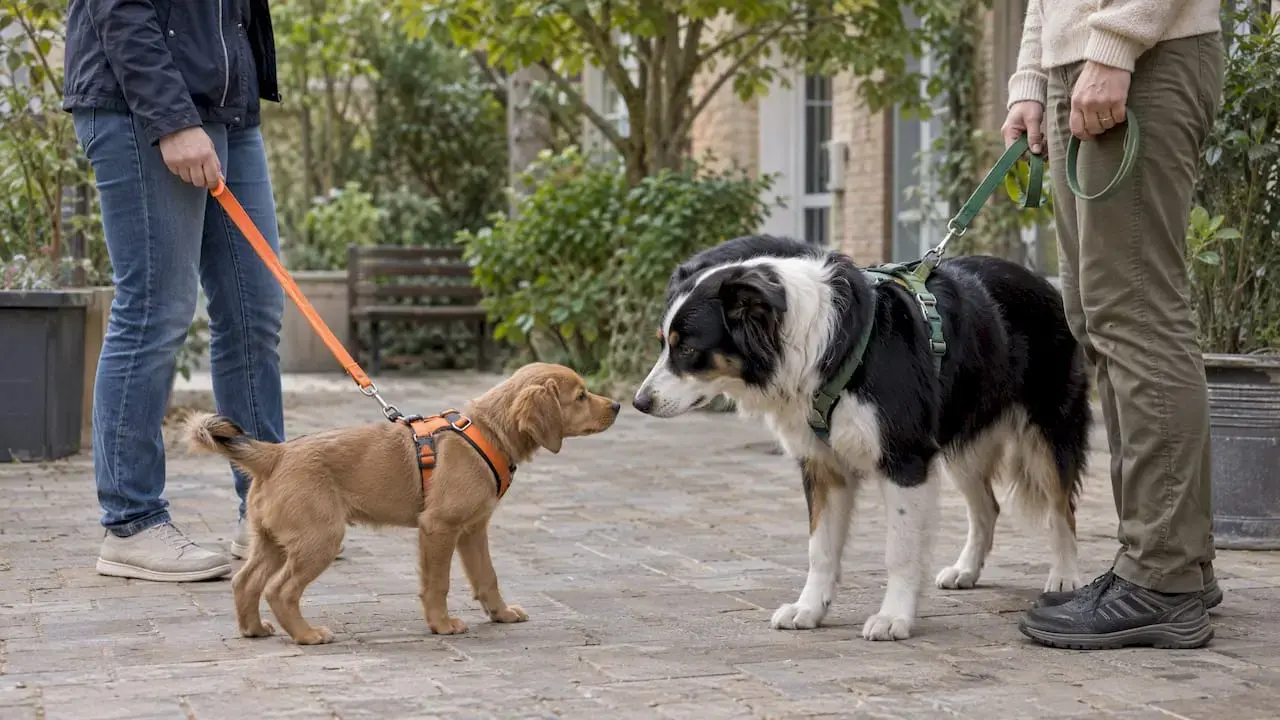
New Puppy Owners Can Cut Overstimulation with Simple Five‑Minute Routines
Five‑Minute Calm‑Down Drills
First‑time puppy parents often find their young dogs overwhelmed by too much noise, movement, or excitement. Experts say the quickest remedy is a calm withdrawal: gently guide the pup to a quiet, dim corner and pause the activity. By watching for early signs and using short, focused training drills each day, owners can protect their puppy’s nap time and keep stress levels low.
Latest news
 Rescue Dog Shows Gratitude to Every Person Helping Her Heal
 Family Adopts Terminally Ill St. Bernard After Her Human Passes Away
 Neighbors Take Action After Town Ignores Abused Dog
 Retired Firefighter Reunited with Lost Dogs During Live Interview
Overstimulation occurs when a puppy’s nervous system receives more sensory input than it can handle. The result is frantic behavior, whining, or a sudden loss of focus. Veterinarians explain that a puppy’s brain is still developing, so excessive stimuli can trigger a fight‑or‑flight response, making learning harder and increasing the risk of anxiety later on. The recommended approach combines observation with brief, five‑minute sessions that reinforce calm behavior. Training drills might include „sit‑stay” or „look‑at‑me” exercises, each performed in a low‑distraction environment. Consistency helps the puppy learn that calmness is rewarding, while sudden bursts of activity are not.
The core of the routine is a series of micro‑training bouts lasting no longer than five minutes. Start by choosing a quiet room with soft lighting. Hold the leash loosely, then ask the puppy to sit and maintain eye contact for a few seconds. Reward with a gentle pet or a tiny treat. If the pup shows signs of agitation—trembling ears, rapid panting, or darting eyes—pause the drill and guide the dog to a designated „quiet corner.” This spot should have a comfortable mat and perhaps a low‑volume white‑noise machine. After a minute of stillness, resume the exercise. Repeating this pattern three times a day teaches the puppy that brief focus periods are safe and enjoyable.
How Can Owners Tell When Their Puppy Is Overstimulated?
Recognizing overstimulation early is key. Look for sudden changes in behavior such as excessive barking, inability to settle, or a frantic dash around the house. Some puppies may become overly clingy, seeking constant reassurance, while others might freeze and avoid eye contact. If these signs appear during playtime or a walk, the owner should immediately reduce sensory input. Turning off the television, lowering music volume, and moving to a less crowded area can help. Experts stress that ignoring these cues can lead to chronic stress, making future training sessions more difficult and potentially fostering behavioral problems like aggression or separation anxiety.
By integrating short, predictable routines, new owners can create a stable environment that supports healthy brain development. The practice not only curbs immediate overstimulation but also builds a foundation for longer training sessions as the puppy matures.
Frequently Asked Questions
What is the ideal length for a calm‑down session? Aim for no more than five minutes per drill, with a brief pause if the puppy shows stress signals.
How often should I repeat these routines? Three times daily is recommended, ideally after meals, play, and before bedtime.
Can I use treats during the drills? Yes, small, low‑calorie treats work well as positive reinforcement, but they should be given sparingly to avoid overfeeding.