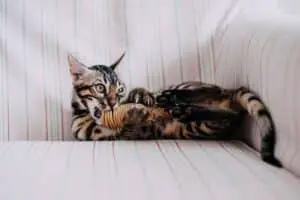
Mischievous Cat Breeds Turn Everyday Life Into a Mini Adventure
The Science Behind Feline Curiosity
Pet owners across the country report that certain feline breeds seem to thrive on creating chaos in the home. From knocking over glasses to slipping into tight spaces, these cats turn a quiet afternoon into a series of unexpected events. Experts say the combination of high intelligence, boundless energy, and innate curiosity fuels this playful mischief.
Latest news
 Rescue Dog Shows Gratitude to Every Person Helping Her Heal
 Family Adopts Terminally Ill St. Bernard After Her Human Passes Away
 Neighbors Take Action After Town Ignores Abused Dog
 Retired Firefighter Reunited with Lost Dogs During Live Interview
The behavior stems from traits bred into specific lines of cats. Breeds such as the Abyssinian, Bengal, and Siamese are celebrated for their problem‑solving abilities and love of interaction. Their owners often describe a „cat‑engineered” environment where toys disappear, shelves become climbing walls, and even closed doors are seen as challenges. Veterinarians note that mental stimulation is crucial; without outlets, these cats channel their drive into household disruption.
Researchers at the University of California’s Department of Animal Behavior explain that cats possess a highly developed neocortex, the brain region responsible for learning and exploration. „When a cat discovers that a glass can be tipped or a drawer can be opened, it receives a dopamine boost,” says Dr. Lena Morales, a feline behaviorist. This reward loop encourages repeated attempts, turning ordinary objects into puzzles. Breeds with a history of hunting or working—like the Turkish Van, known for its love of water, or the energetic Savannah—exhibit heightened exploratory instincts, making them more likely to test boundaries.
Can a Mischievous Cat Be Trained, or Is It Just Their Nature?
Owners who provide puzzle feeders, interactive toys, and vertical spaces often see a reduction in destructive antics. „A cat that can climb a cat tree or chase a laser feels mentally satisfied,” Morales adds. Conversely, homes lacking enrichment can see increased furniture damage and broken items, leading to frustration for both pet and person.
Training mischievous cats is possible, but it requires patience and consistency. Positive reinforcement—rewarding calm behavior with treats or affection—helps redirect energy. „You can teach a cat to stay off counters by rewarding them for using a designated perch,” notes professional trainer Marco D’Angelo. However, D’Angelo warns that some breeds have a stronger predisposition for independent problem‑solving, meaning owners must accept occasional chaos as part of the cat’s personality.
Long‑term, these cats often become highly loyal companions, forming deep bonds with owners who engage them regularly. Their antics, while sometimes costly, can also provide endless entertainment and strengthen the human‑animal connection.
As more families adopt high‑energy breeds, the demand for cat‑friendly home designs grows. Furniture manufacturers are introducing scratch‑resistant fabrics, while interior designers suggest built‑in climbing structures. The trend points toward a future where homes are as adaptable to feline curiosity as they are to human comfort.
Frequently Asked Questions
Why does my cat knock things over? Cats test object stability to gauge their environment. The resulting movement provides sensory feedback and can be rewarding, especially for curious breeds.
What are the best toys for high‑energy cats? Interactive puzzle toys, feather wands, and automated laser pointers keep their minds engaged and burn excess energy.
Can I stop my cat from climbing curtains? Providing alternative vertical spaces like cat trees or wall‑mounted shelves, combined with positive reinforcement for using those spots, can reduce curtain climbing.