
Man breaks neck and is stuck in snow. No one heard calls for help, except his Golden Retriever
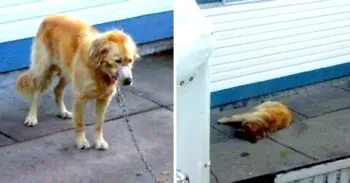
Kelsey instinctively positioned herself close to Bob’s body
On New Year's Eve 2016 in northern Michigan, Bob went outside to fetch another log for his fireplace and slipped on ice, breaking his neck and becoming immobilized in deep snow. Unable to move or call loudly enough for neighbors to hear, he lay helpless in the freezing cold as temperatures dropped well below zero. His Golden Retriever, Kelsey, remained by his side throughout the ordeal, providing critical warmth and companionship that likely saved his life until help arrived the next morning. The incident occurred around midnight as Bob stepped onto his icy porch, losing his footing and suffering a severe cervical injury that left him paralyzed from the neck down. Despite his desperate attempts to shout for assistance, the remote location and howling winter winds drowned out his voice.
Latest news
 Rescue Dog Shows Gratitude to Every Person Helping Her Heal
 Family Adopts Terminally Ill St. Bernard After Her Human Passes Away
 Neighbors Take Action After Town Ignores Abused Dog
 Retired Firefighter Reunited with Lost Dogs During Live Interview
Kelsey instinctively positioned herself close to Bob’s body, using her fur and body heat to prevent hypothermia during the long, dark hours. Rescue teams eventually located him at dawn, crediting the dog’s unwavering presence with preventing fatal exposure. How a Dog’s Loyalty Became a Lifeline in Subzero Conditions Veterinarians note that dogs like Kelsey often detect distress through subtle changes in human behavior and scent, prompting protective instincts that override their own discomfort. In this case, Kelsey refused to leave Bob’s side despite the extreme cold, repeatedly nudging his hand and licking his face to stimulate circulation. Medical professionals later stated that without her intervention, Bob would likely have succumbed to frostbite or cardiac arrest within hours. Her actions exemplify the profound bond between humans and dogs, particularly in emergency situations where animals act as first responders. Could This Happen to Anyone?
Understanding Winter Safety Risks Experts warn that slips on ice are a leading
Understanding Winter Safety Risks Experts warn that slips on ice are a leading cause of winter injuries, especially for individuals performing routine outdoor chores like gathering firewood. Bob’s accident highlights how quickly a simple task can turn life-threatening in isolated areas, particularly when mobility is compromised. Safety advocates recommend carrying emergency communication devices, informing others of outdoor plans, and clearing walkways thoroughly during icy conditions. The story has since prompted local community groups to promote winter preparedness workshops focused on neighbor check-ins and pet-assisted safety awareness. Frequently Asked Questions What injuries did Bob sustain from the fall? Bob broke his neck in the fall, resulting in temporary paralysis from the neck down, which prevented him from moving or calling for help effectively. How did Kelsey help Bob survive the night in the snow?
Kelsey stayed close to Bob’s body, sharing her body heat and preventing hypothermia by lying beside him and stimulating his circulation through nudging and licking. What safety lessons were learned from this incident? The incident underscores the importance of winter preparedness, including carrying communication devices, informing others of outdoor activities, and clearing ice from walkways to prevent similar accidents.