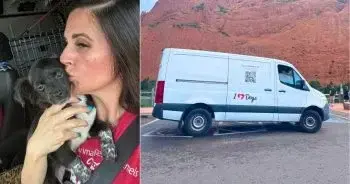
Little Black Dog Drives iHeartDogs Rescue Road Trips In Rural Texas
The Gap in Rural Animal Welfare
In rural Bosque County, Texas, Alexis Sibila leads BARK Rescue. She responds to calls for abandoned dogs where local animal control often lacks resources. Sibila transforms these urgent situations into safe homes. Her work highlights the critical gap in rural animal welfare services.
Latest news
 Rescue Dog Shows Gratitude to Every Person Helping Her Heal
 Family Adopts Terminally Ill St. Bernard After Her Human Passes Away
 Neighbors Take Action After Town Ignores Abused Dog
 Retired Firefighter Reunited with Lost Dogs During Live Interview
When a dog is reported abandoned in this area, an official officer rarely arrives immediately. Open intake shelters are also scarce. The animal often waits for a neighbor, volunteer, or rescue group to intervene. This delay creates significant risk for the animal. Sibila’s organization steps in to bridge this dangerous gap. She ensures the dog receives immediate attention and a path to safety.
Rural areas face unique challenges in pet care infrastructure. Bosque County lacks the dense network of shelters found in cities. This means private rescues carry a heavy burden. Alexis Sibila, as president of BARK Rescue, understands the logistical hurdles. She navigates a system that often fails to respond quickly. Her team must act as the first line of defense. They provide the initial care that public systems cannot guarantee. This effort requires significant time and personal dedication from volunteers.
How Volunteers Bridge the Safety Gap
The process begins with a simple phone call. However, the outcome is not automatic. Without a rescue group like BARK, the dog might remain in danger. Sibila’s role is to turn that initial alert into a concrete plan. She coordinates with fosters and volunteers to secure the animal. This collaboration is essential for the dog’s survival. It prevents the animal from being left to fend for itself.
Volunteers play a pivotal role in this rescue network. They often become temporary foster parents. This provides a stable environment while a permanent home is sought. The transition from abandonment to safety is complex. It requires emotional and financial support from the community. Sibila manages these transitions with care. She ensures each dog gets the specific help it needs. The effort is driven by compassion and necessity.
The impact of this work extends beyond single rescues. It builds a community of care in an underserved region. People learn to look out for their neighbors’ animals. This collective action saves lives. It also educates the public about responsible pet ownership. The rescue model proves effective in areas with limited government support.
Frequently Asked Questions
Who leads the rescue efforts in Bosque County? Alexis Sibila is the president of BARK Rescue. She coordinates the response to abandoned animal calls in the region.
Why is animal control often unavailable in this area? Rural Bosque County lacks open intake shelters and dedicated officers. This forces reliance on private rescue groups for immediate help.
How do volunteers assist the rescue process? Volunteers provide temporary foster homes and direct care. They bridge the gap between abandonment and permanent adoption.